What Is Sea Moss Good For? Potential Health Benefits
Published on


By Suhail Rivera, JD, founder of Alkaline Herb Shop
Sea moss went from a health food store curiosity to something your cousin puts in her smoothie, and the claims got louder the more popular it got. You have seen the posts. It has every mineral your body needs, it fixes whatever ails you, it is the reason somebody's skin cleared up. New to sea moss? Start with our complete sea moss minerals guide.
Here is how we handle it. We sell sea moss, we had ours tested, and we will tell you exactly what the testing found. Two nutrients came back at levels worth talking about, and one of them came back very high. For anything we did not have tested, we do not have a number, so we are not going to put one in your head. That is the whole article.
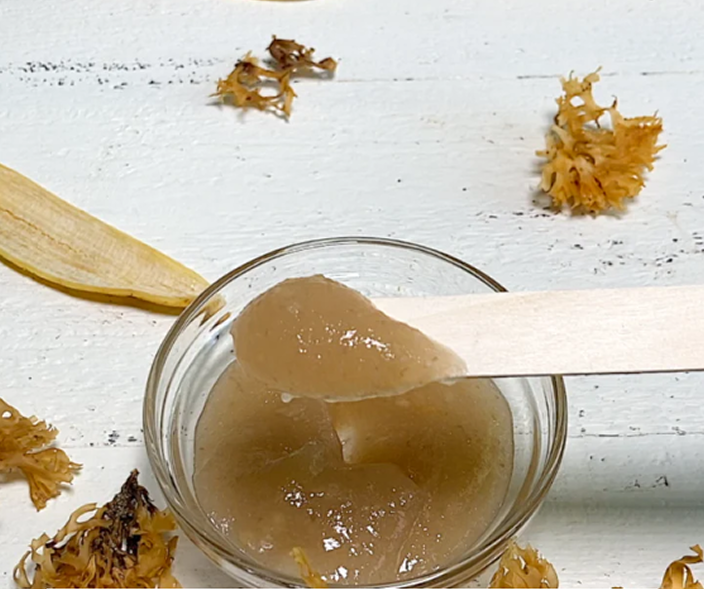
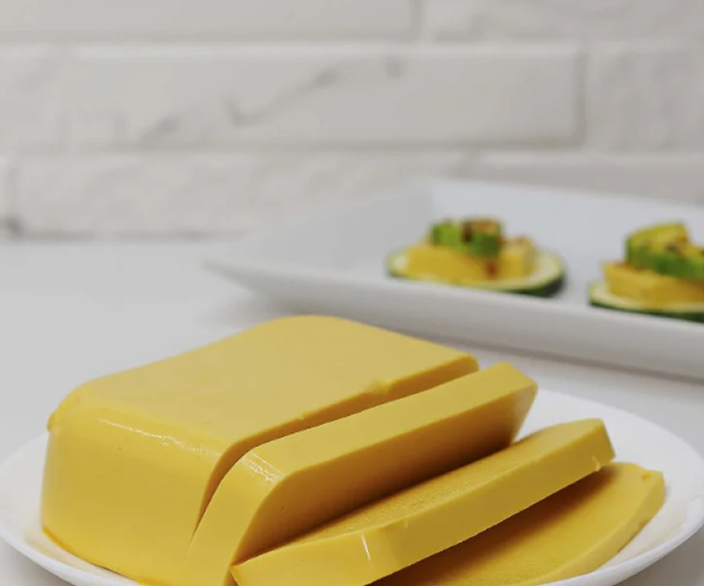
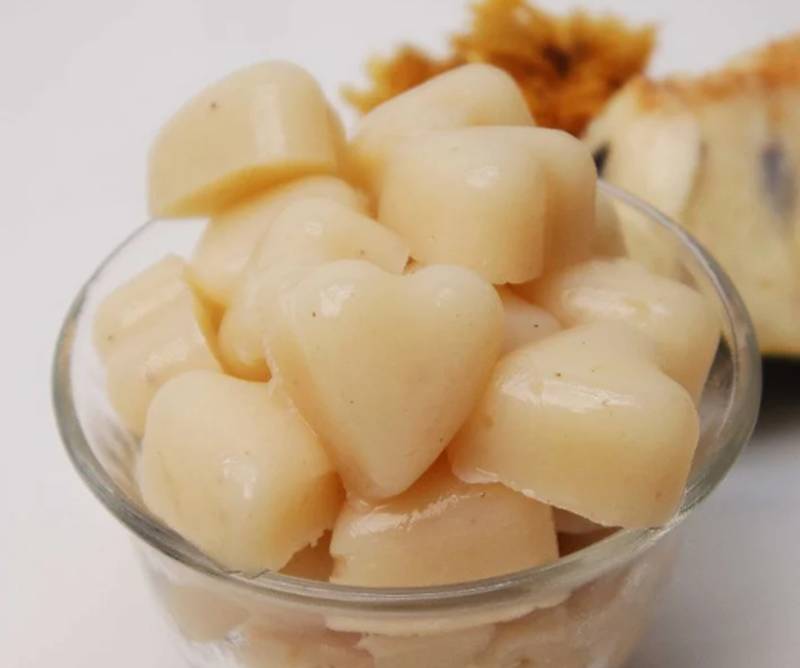
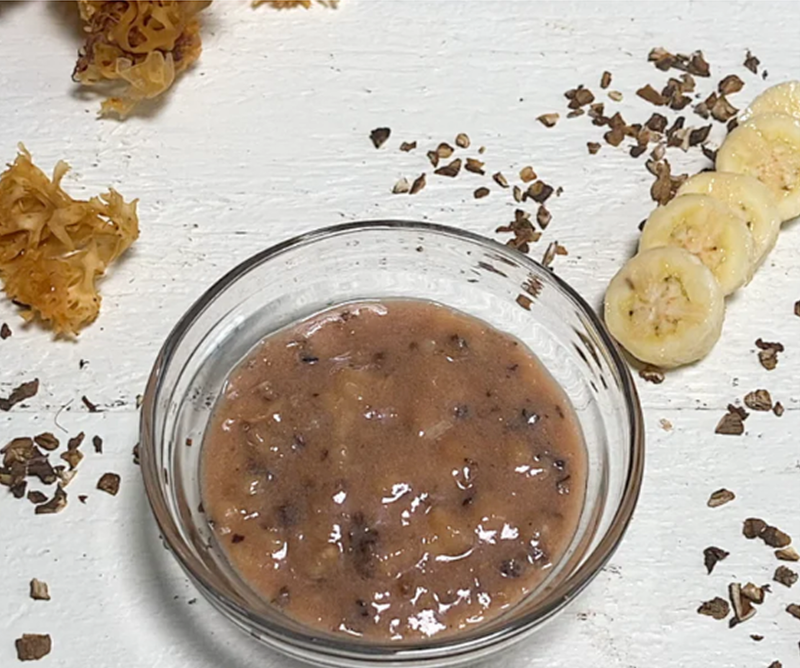
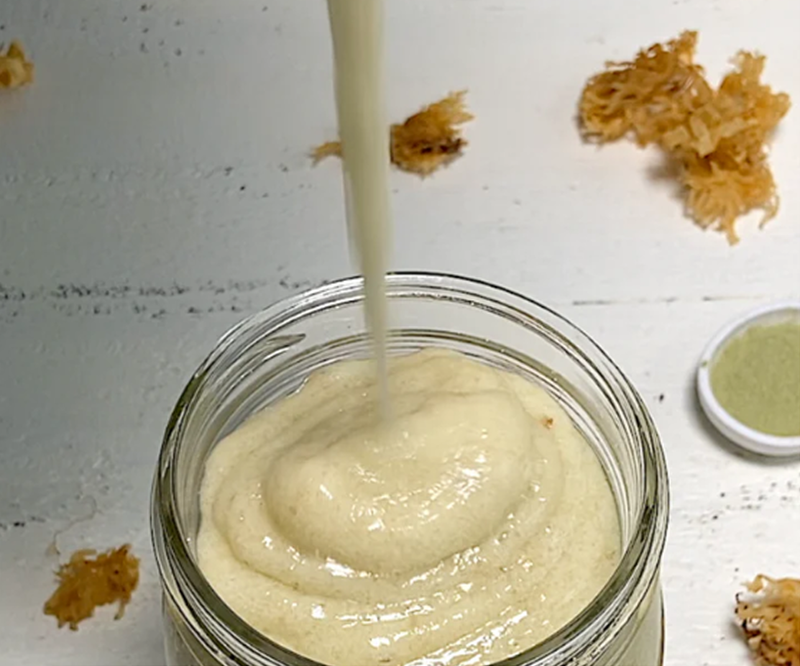
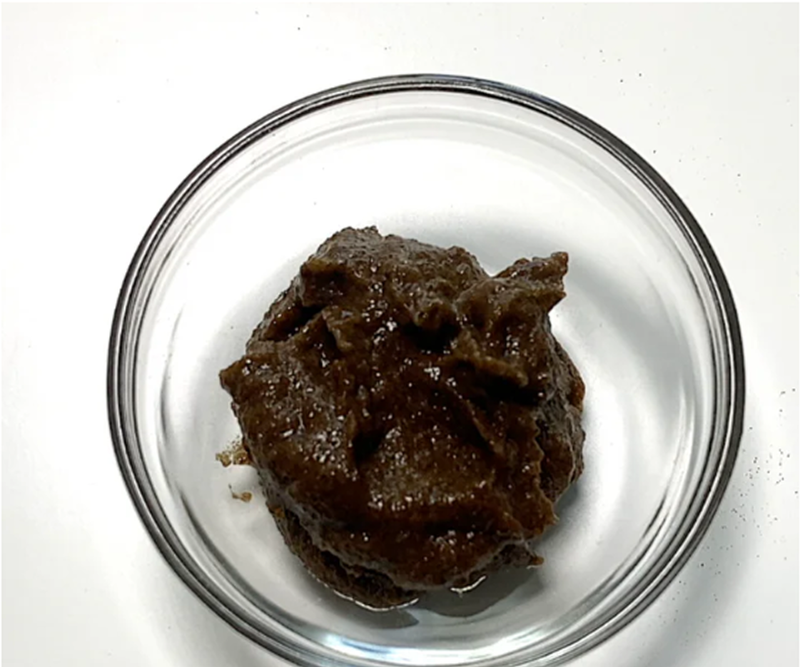
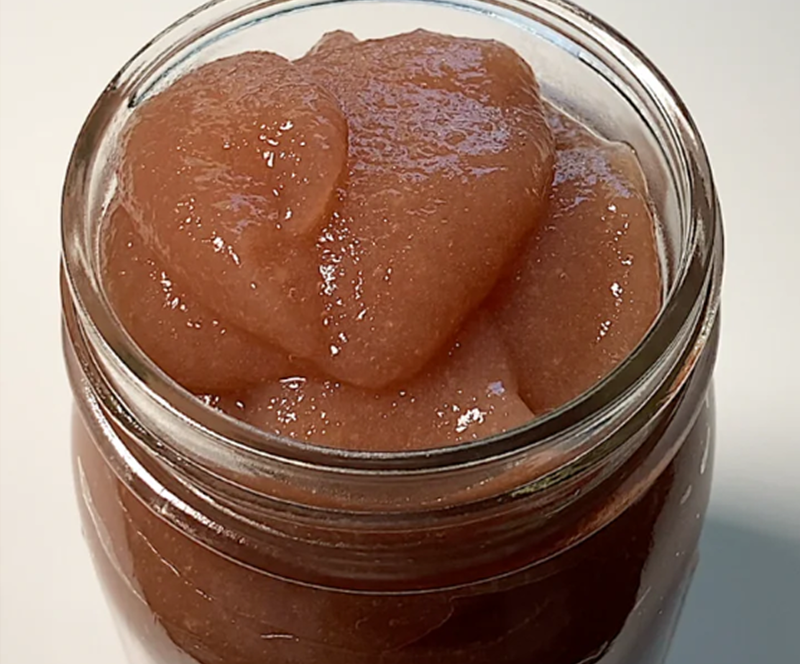
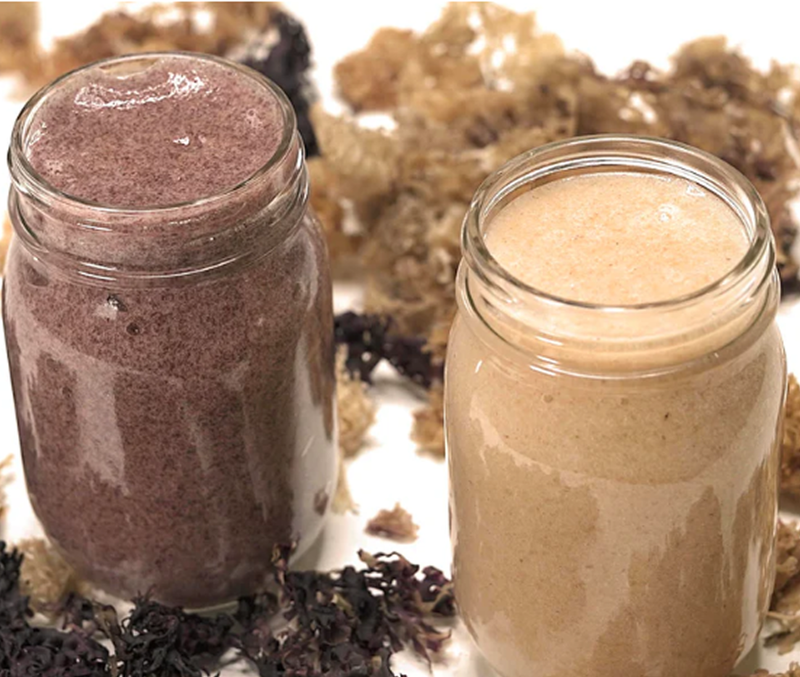
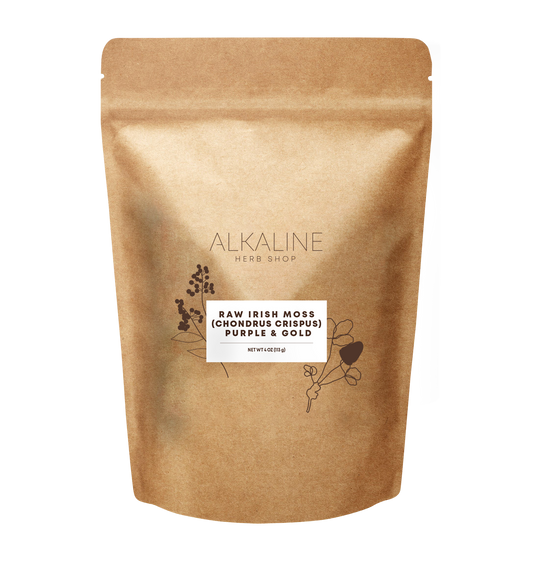
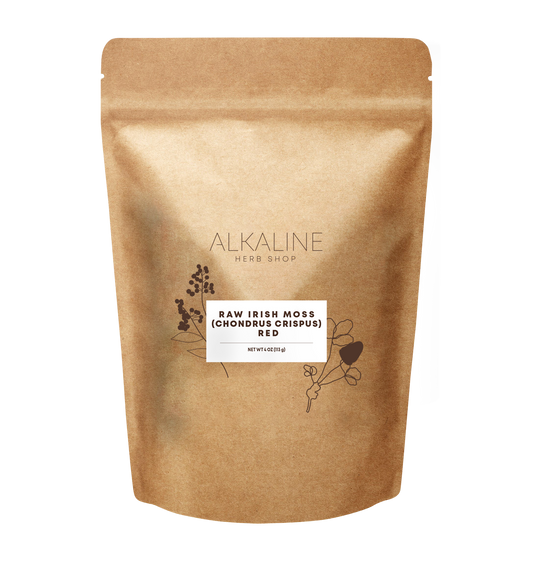
You can take it a few ways, and the form matters more than people realize. There are raw sea moss, sea moss capsules, sea moss gel for smoothies and juices, and sea moss soap for the outside of you. Only one of those comes with a Supplement Facts panel, and we will get to why that matters.
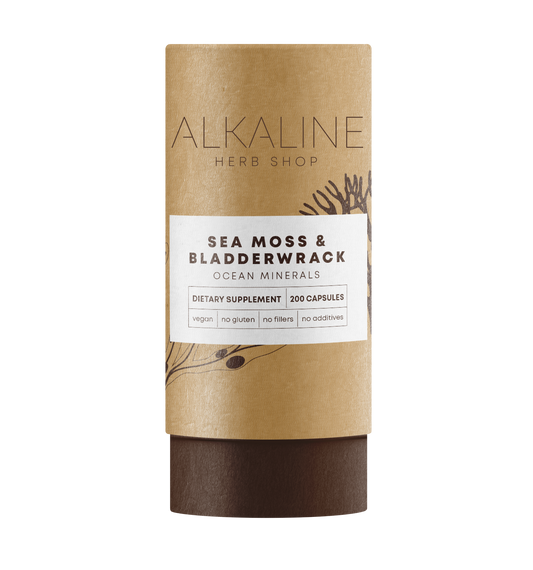
Our Sea Moss Capsules carry a Supplement Facts panel, so these are the amounts in a 4 capsule serving:
Iodine, 364 mcg, 243% of the Daily Value. Iodine supports normal thyroid function and healthy skin.*
Iron, 4 mg, 24% of the Daily Value. Iron supports normal red blood cell formation and helps reduce tiredness and fatigue.*
At 243% of the Daily Value, our capsules are an excellent source of iodine. "Excellent source" is not us being enthusiastic, it is the specific wording the FDA lets you use once a serving clears 20% of the Daily Value, and we are at more than twelve times that.
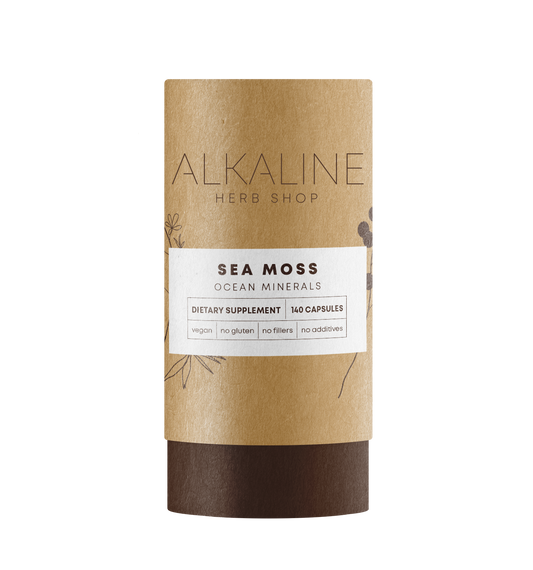
Each capsule holds 600 mg of wildcrafted Irish sea moss, a 4 capsule serving is 2,400 mg, and a tube of 140 capsules is 35 servings, about 35 days at 4 a day.
Raw sea moss and homemade gel have no Supplement Facts panel, so there are no figures to give you for those. That is not a dodge, it is the actual rule. A panel comes from sending a specific batch to a lab, and a gel you made in your kitchen on Sunday was never sent anywhere.
The species is Chondrus crispus, which grows in cold Atlantic water on rocks rather than farmed on ropes in warm shallows, which is what most Caribbean sea moss is.
Two nutrients, both with a number behind them, and here is what each one does.
This is the big one, and it is the reason sea moss is worth your attention at all. A 4 capsule serving carries iodine at 243% of the Daily Value, and iodine supports normal thyroid function.* Your thyroid cannot make its hormones without iodine, full stop, and there is no way to make your own. It has to come from what you eat. Most of the world gets it from iodized salt, and sea moss is one of the few foods that carries it naturally in a meaningful amount. If you have a thyroid condition, read our fuller guide on sea moss and the thyroid before you start, and talk to your doctor.
The same serving carries iron at 24% of the Daily Value. Iron supports normal red blood cell formation and helps reduce tiredness and fatigue.* Red blood cells are what move oxygen around your body, which is the connection between iron and how you feel at three in the afternoon. It is not a stimulant and it will not hit you like coffee. If you are dragging all the time, ask your doctor for a blood test, because a real iron number tells you more than any label can.
Iodine does double duty here. It supports normal thyroid function and healthy skin, and a 4 capsule serving gives you 364 mcg of it.* Then there is the other half of sea moss and skin, which has nothing to do with swallowing it: the gel is a genuinely good moisturizer, which is why it turns up in sea moss soap and in a lot of people's bathroom cabinets.
Almost nobody selling sea moss will answer this, so here is ours. A 4 capsule serving of our capsules has 364 mcg of iodine. For context, the National Institutes of Health puts the recommended daily intake for most adults at 150 mcg, and the upper limit for adults at 1,100 mcg a day from all sources combined.
So one serving sits comfortably inside the range, and doubling up on servings is how you get outside of it. Iodine is one of those nutrients where more is not better. Stick to the serving on the label.
That upper limit is a cautious number rather than a cliff edge, and Japan is the reason people argue about it. Japanese iodine intake comes mostly from seaweed, and a literature review in Thyroid Research put the national average at roughly 1,000 to 3,000 mcg a day. That is at or above the American upper limit, every day, for an entire country. Japan also has one of the longest life expectancies in the world.
Be careful with what that does and does not prove. Nobody has shown the iodine is the reason, and the same review is blunt that high intake can cause trouble for people who already have thyroid autoimmunity. A 2022 national survey of Japanese schoolchildren found intake adequate overall but genuinely excessive in twelve of forty-six regions. So it is not a free pass.
What it is good for is scale. A 4 capsule serving of our capsules is 364 mcg. That is a fraction of what the average person in Japan eats in a day, and it is well under the American upper limit. Sea moss at a sensible serving is not the thing to be nervous about.
For raw sea moss and homemade gel, the number comes down to whether that particular batch was sent to a lab. Iodine in seaweed swings with the water, the season and the harvest, so a figure from one harvest does not carry over to the next. If a seller quotes you a number for raw or gel, ask which batch it came from and ask to see the test. If they have it, that is a real answer.

Iodine is important for your thyroid. Sea moss concentrates iodine from seawater and the amount varies with the harvest. But too much iodine can cause problems, especially if your thyroid is already struggling. If you have a thyroid condition or take medication for it, check with your doctor before adding sea moss to your diet.
Research shows seaweeds can accumulate substantial amounts of heavy metals from their environment. That is why the source matters when buying sea moss. The safest products come from clean waters and are tested for contaminants. At Alkaline Herb Shop, all sea moss products are tested by a third-party lab for heavy metals, identity, and microbes.
Though not common, some people react to sea moss. If you are allergic to seafood or iodine, be careful, since studies show different marine species can cross-react. Symptoms can include itching, swelling, hives, breathing difficulty, or digestive upset. If you are trying sea moss for the first time, start small, and stop if you notice any negative reactions.
Carrageenan, a natural component of sea moss, can bother some digestive systems, and this matters most for people with inflammatory bowel conditions like Crohn's disease or ulcerative colitis, who should talk to their doctor before trying it. For everyone else: start with small amounts and watch how your body responds. If you notice bloating, gas, or discomfort, sea moss may not be for you.
Sea moss is an excellent source of iodine, and our Sea Moss Capsules have the panel to show it: 364 mcg of iodine at 243% of the Daily Value, and 4 mg of iron at 24%, in every 4 capsule serving.*
It works best the way most good things do, alongside decent meals, some movement and enough sleep. Start with the serving on the label, pay attention to how you feel, and check with a healthcare provider if you have a health condition or take medication.
The two we can put a number to are iodine and iron. A 4 capsule serving of our Sea Moss Capsules provides iodine at 243% of the Daily Value and iron at 24%. Iodine supports normal thyroid function and healthy skin, and iron supports normal red blood cell formation and helps reduce tiredness and fatigue.*
Mainly, it is a food source of iodine, and a strong one. Your thyroid needs iodine to make its hormones and your body cannot produce any of its own, so it has to come from your diet.* The iron is the secondary story, and it helps reduce tiredness and fatigue.*
Yes, and it is what sea moss is best known for. A 4 capsule serving of our Sea Moss Capsules provides 364 mcg of iodine, 243% of the Daily Value, which makes them an excellent source of iodine.
In our capsules, 364 mcg in a 4 capsule serving, and it is on the Supplement Facts panel. For raw sea moss or gel, it depends on whether that batch was tested, because iodine in seaweed varies with the water, the season and the harvest. A lab test on the batch in front of you will tell you. A number with no batch behind it will not.
Yes. A 4 capsule serving of our Sea Moss Capsules provides 4 mg of iron, 24% of the Daily Value.
Iron helps reduce tiredness and fatigue, and a 4 capsule serving carries 4 mg of it, 24% of the Daily Value.* It is not a stimulant, so do not expect the jolt you get from coffee. It is the slower kind of thing you notice over weeks rather than minutes.
Iodine supports healthy skin, and a 4 capsule serving of our capsules provides 364 mcg of it, 243% of the Daily Value.* Separately, sea moss gel is used on the skin as a moisturizer, which is where a lot of the reputation comes from. For persistent acne or a skin condition, see a dermatologist.
Gel is the same sea moss, just hydrated, and plenty of people prefer it because it blends into a smoothie. The catch is that gel has no Supplement Facts panel, so there is no number on it. If you want to know what you are actually getting, the capsules are the ones with the panel.
Talk to your doctor first. Sea moss is not a treatment for blood pressure, and if you take blood pressure medication, a supplement could interact with your treatment. Your doctor knows your situation best.
There is no clear evidence that sea moss contains vitamin B12, so it should not be relied on as a source of it.
Sea moss is not recognized as a source of vitamin D, and there is no reliable evidence that it provides this nutrient.
*These statements have not been evaluated by the Food and Drug Administration. Sea moss is a food and is not intended to diagnose, treat, cure, or prevent any disease. Talk to your healthcare provider before use, especially if you are pregnant, nursing, taking medication, or managing a thyroid condition.


.png?v=14052428765372906161786250558) Previous Post
Previous Post
%20copy.png?v=62173825240595680121786250558)