What Is Sea Moss Good For? Potential Health Benefits
Published on
Written by Suhali Rivera

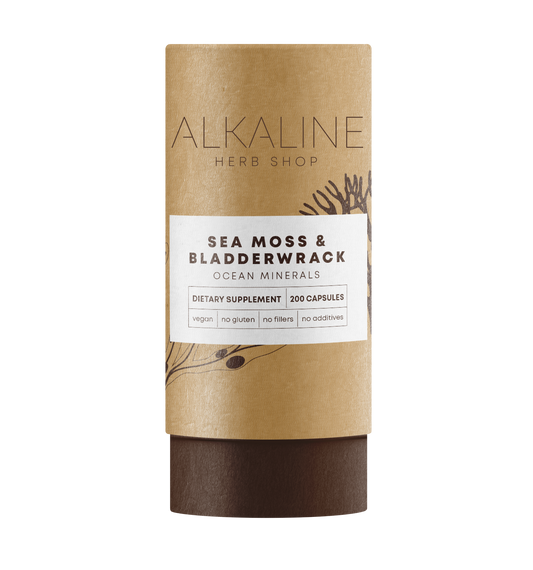
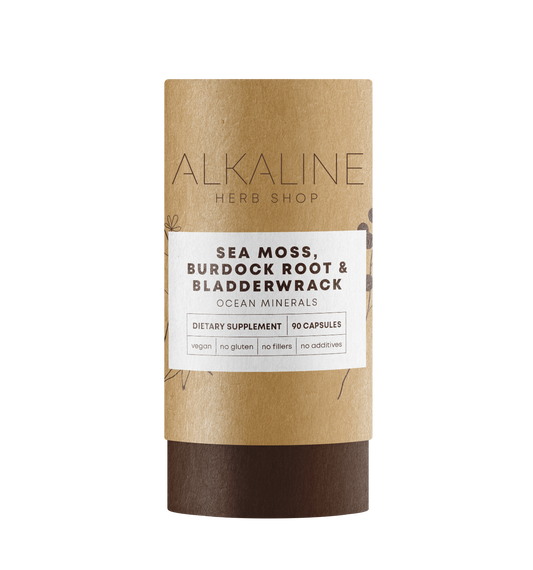
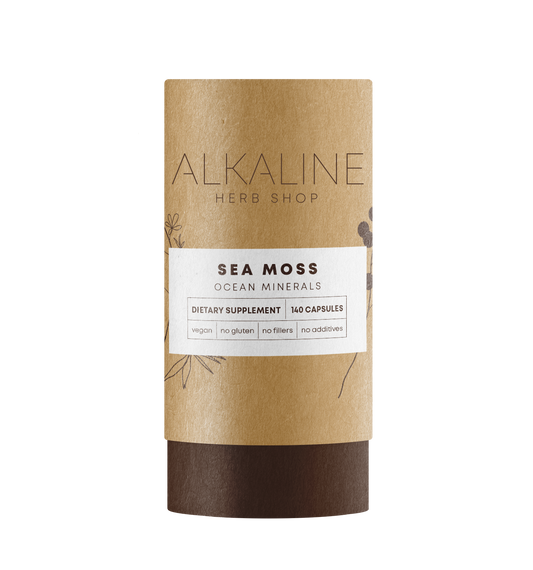
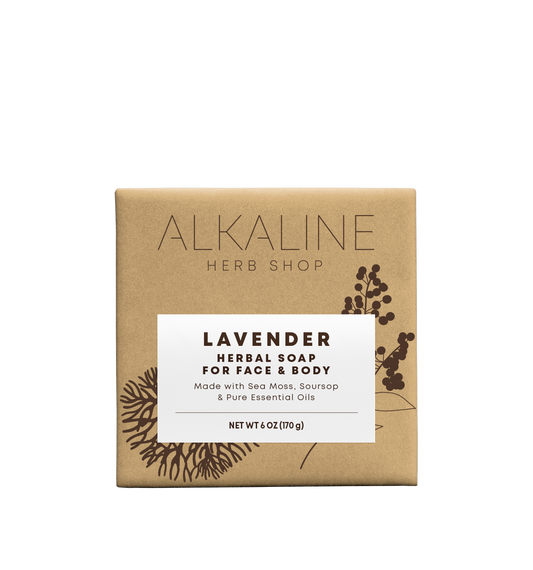
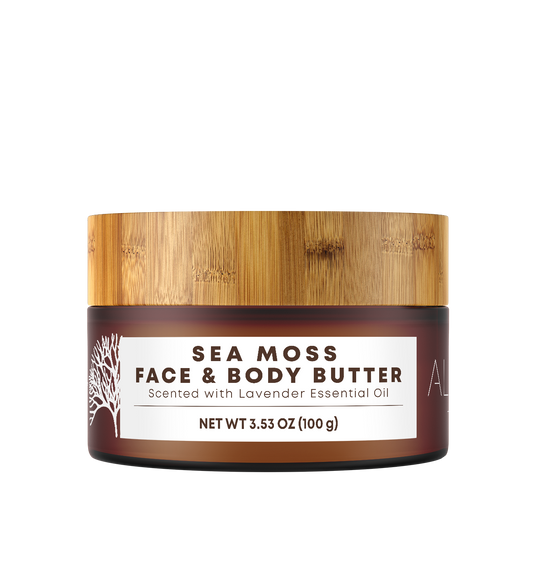
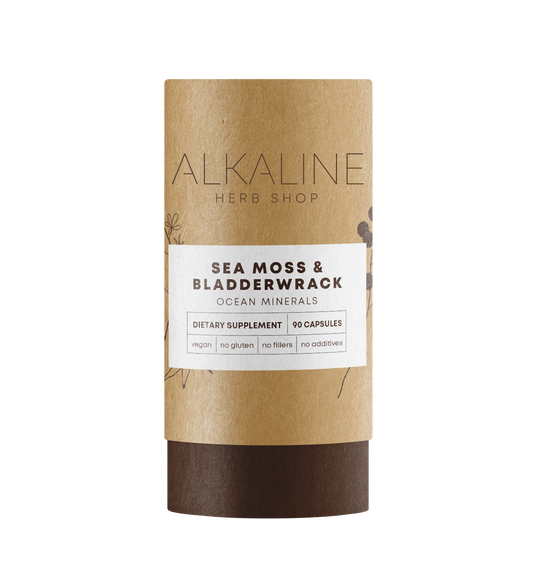
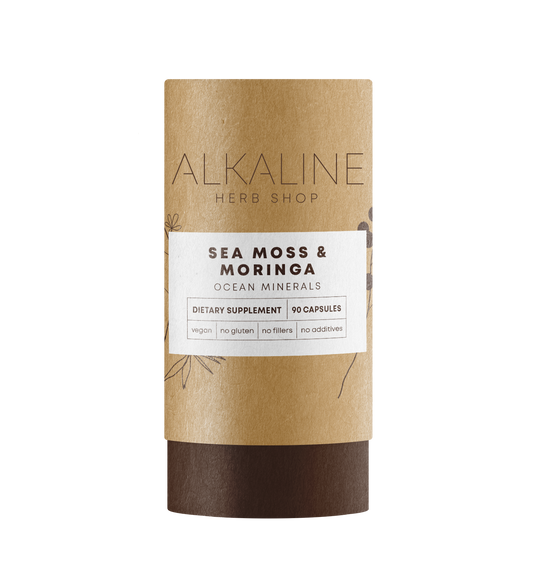

By Suhail Rivera, JD, founder of Alkaline Herb Shop
Notice how you keep seeing sea moss in your local health food store? At first it was trending. Now it has officially arrived, and it is here to stay. Riding the wave of algae in general, following spirulina and blue-green algae, sea moss is the latest sea vegetable to earn a spot in everyday routines.*
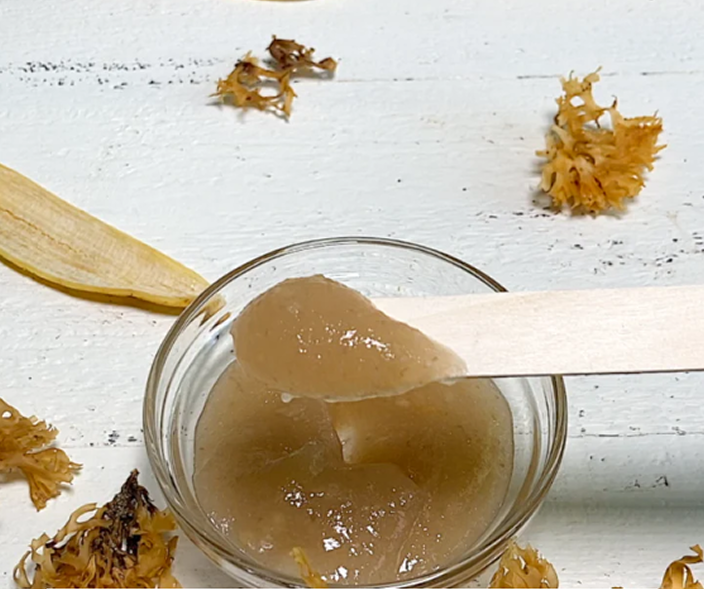
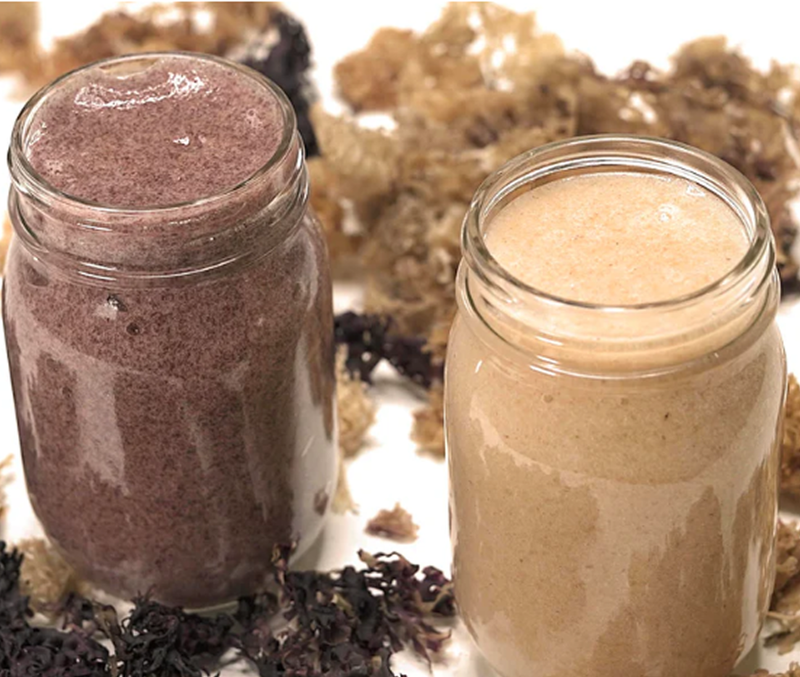
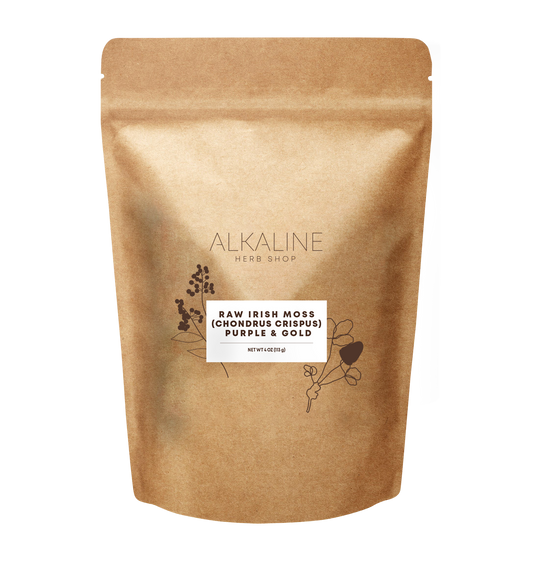
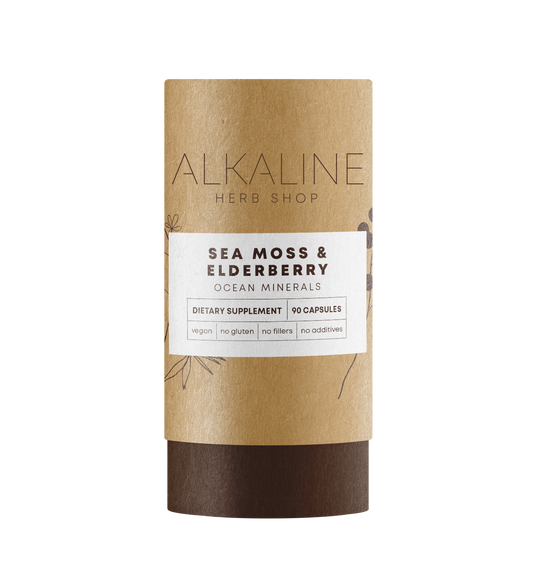
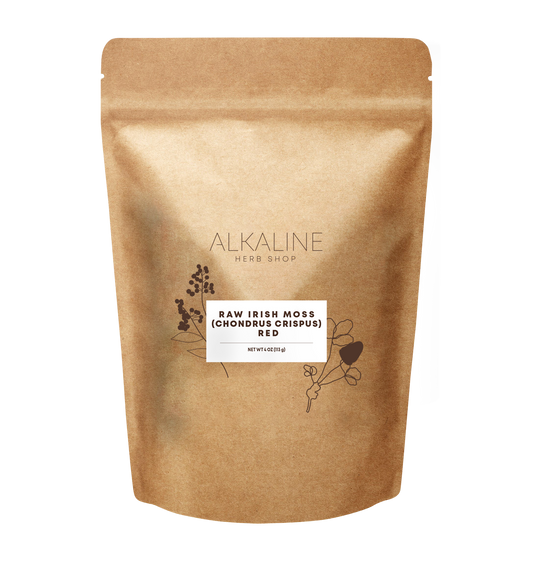
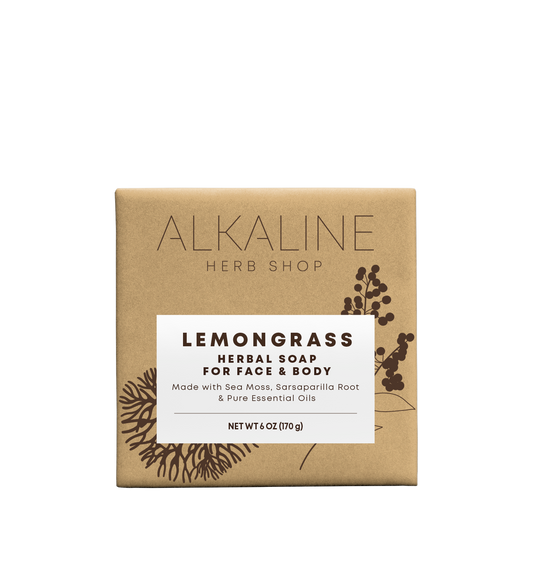
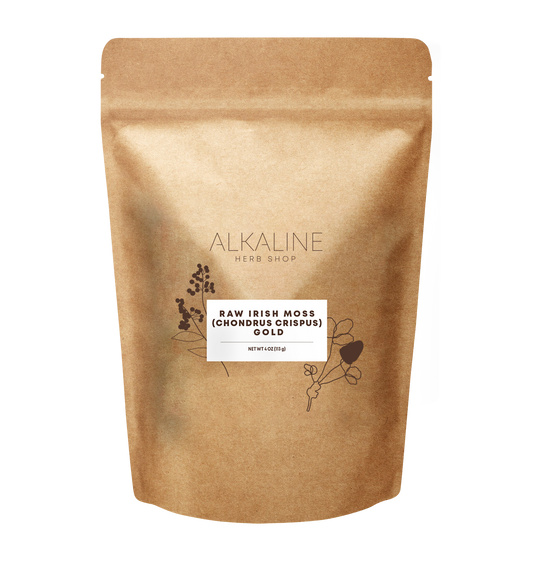
So if your interest has been piqued, you are not alone. Sea moss has become a popular addition to meals and drinks, and you can try it in a variety of sea moss supplements and forms, from raw sea moss, sea moss capsules, and sea moss soap to sea moss gel you can add to smoothies, juices, and foods. But what is behind the surge in popularity, and what is sea moss actually good for?
One honest note before the list: rigorous human studies on sea moss itself are limited, so we will not promise it treats or prevents anything. What we can do is walk through the nutrients it genuinely contains, the normal roles those nutrients play in the body, and the practical things to know before trying it.
This marine algae provides vitamins and minerals that can be hard to obtain from land-grown food.*
A standard serving of sea moss, about 2 tablespoons (10 grams), contributes the following nutrients:
Iodine: Supports normal thyroid hormone production.*
Calcium: Helps build and maintain strong bones.*
Potassium: Contributes to normal muscle and nerve function.*
Magnesium: A cofactor in hundreds of normal biochemical reactions, including energy metabolism.*
Iron: Supports normal red blood cell formation and oxygen transport, and helps reduce tiredness and fatigue.*
Zinc: Contributes to normal immune function and the maintenance of normal skin.*
Vitamin B3 (Niacin): Assists in converting food to energy.*
Vitamin B6 (Pyridoxine): Contributes to normal nervous system and immune function.*
Vitamin B9 (Folate): Vital for normal cell division.*
Vitamin C: Contributes to normal immune function and helps protect cells from oxidative stress.*
Dietary fiber: Supports a healthy digestive routine.*
The finest sea moss is the species Chondrus crispus, which grows in cold waters and absorbs nutrients from the rocks and natural landscape around it. In contrast, many Caribbean varieties are artificially grown on ropes and in pools, so they may not carry the same mineral profile as wildcrafted sea moss.*

Sea moss contributes zinc and vitamin C, two nutrients with recognized roles in normal immune function.* That is ordinary nutrition, not an immunity shield, but it is a real contribution as part of a balanced diet.*
Sea moss is naturally rich in fiber, including prebiotic fiber that feeds beneficial gut bacteria, and its gel-like, mucilaginous texture is famously gentle going down.* People who take it daily often do so simply to keep their fiber intake up and their digestive routine steady.*
Sea moss is not a weight loss product. What is true: fiber helps you feel full, and feeling full between meals can make it easier to eat less overall.* If you are working on your weight with sensible eating and movement, sea moss can be one more fiber source in that routine, and that is the honest extent of it.
Constantly dragging? Iron is worth knowing about. The iron in sea moss supports normal red blood cell formation, and those cells deliver oxygen throughout your body.* Iron also helps reduce tiredness and fatigue, and magnesium contributes to normal energy metabolism.* If your diet runs low on iron, a food source like sea moss is an easy way to help fill the gap.*
Sea moss is a natural source of iodine, an essential mineral your thyroid needs to produce its hormones.* Since the thyroid helps set your metabolism and energy, adequate iodine matters for overall well-being.* The flip side: too much iodine is a problem, so keep servings moderate, and read our full guide on sea moss and the thyroid if you have a thyroid condition.
Sea moss provides minerals the body uses for the normal upkeep of skin, hair, and nails.* Zinc contributes to the maintenance of normal skin, and vitamin C supports the body's own normal collagen formation.* No lotion-in-a-capsule promises here, just nutrients doing their everyday jobs.*

Iodine is important for your thyroid, and sea moss is packed with it.* But too much iodine can cause problems, especially if your thyroid is already struggling. If you have a thyroid condition or take medication for it, check with your doctor before adding sea moss to your diet.
Research shows seaweeds can accumulate substantial amounts of heavy metals from their environment. That is why the source matters when buying sea moss. The safest products come from clean waters and are tested for contaminants. At Alkaline Herb Shop, all sea moss products are tested by a third-party lab for heavy metals, identity, and microbes.
Though not common, some people react to sea moss. If you are allergic to seafood or iodine, be careful, since studies show different marine species can cross-react. Symptoms can include itching, swelling, hives, breathing difficulty, or digestive upset. If you are trying sea moss for the first time, start small, and stop if you notice any negative reactions.
Carrageenan, a natural component of sea moss, can bother some digestive systems, and this matters most for people with inflammatory bowel conditions like Crohn's disease or ulcerative colitis, who should talk to their doctor before trying it. For everyone else: start with small amounts and watch how your body responds. If you notice bloating, gas, or discomfort, sea moss may not be for you.
Sea moss is a genuinely nutrient-dense sea vegetable, a simple way to add minerals like iodine, iron, and zinc plus fiber to a balanced diet, especially nutrients that are hard to get from land-grown foods.*
It is not a magic fix, and research on sea moss itself is still young. It works best alongside balanced meals, regular movement, and good sleep. Start with small amounts, listen to your body, and check with a healthcare provider if you have existing health conditions or take medications.
Sea moss is a nutrient-rich sea vegetable. Its minerals and fiber support everyday nutrition, including normal immune function (zinc, vitamin C), normal thyroid function (iodine), normal red blood cell formation (iron), and a steady digestive routine (fiber).* It is a food, not a treatment for anything.
Sea moss contains prebiotic fiber that feeds beneficial gut bacteria, and its mucilaginous texture is gentle on the digestive tract.* Start small; a few people find it does not agree with them.
Sea moss is not a weight loss solution. Its fiber can help you feel full longer, which may make sensible eating easier, and that is the honest extent of it.* Weight management comes down to overall diet, movement, and sleep.
Talk to your doctor first. Sea moss is not a treatment for blood pressure, and if you take blood pressure medication, a supplement could interact with your treatment. Your doctor knows your situation best.
Sea moss is not an acne treatment. As a food it provides zinc and vitamin C, which the body uses for normal skin maintenance, and as a topical gel it is a pleasant natural moisturizer.* For persistent acne or skin conditions, see a dermatologist.
Sea moss will not give you an instant boost, but it provides iron, iodine, magnesium, and B vitamins, nutrients involved in normal energy metabolism and oxygen transport.* With regular use it is a sensible part of supporting steady, everyday energy.*
There is no good evidence that sea moss treats joint pain. It does provide calcium and magnesium, which contribute to normal bone and muscle function.* If joint pain is an ongoing issue, see a healthcare professional.
Through ordinary nutrition: zinc and vitamin C contribute to normal immune function.* It is a supportive food, not an immunity booster or a shield against illness.
Sea moss contains a range of naturally occurring minerals, including iron, iodine, potassium, calcium, magnesium, and zinc, plus vitamins like B3, B6, B9, and C, antioxidants, and prebiotic fiber.* The exact number varies by harvest and is not clearly defined.
Yes. Sea moss contains iron, though the amount varies with growing conditions and source.*
No, sea moss does not contain collagen itself. It provides nutrients like zinc and vitamin C that the body uses for its own normal collagen formation and cell turnover, which support healthy-looking skin, hair, and nails.*
Yes. Sea moss is an excellent source of iodine.
There is no clear evidence that sea moss contains vitamin B12, so it should not be relied on as a source of it.
Yes. Sea moss contains magnesium, though the specific amount differs by source.*
Sea moss is not recognized as a source of vitamin D, and there is no reliable evidence that it provides this nutrient.
*These statements have not been evaluated by the Food and Drug Administration. Sea moss is a food and is not intended to diagnose, treat, cure, or prevent any disease. Talk to your healthcare provider before use, especially if you are pregnant, nursing, taking medication, or managing a thyroid condition.
Suhail Rivera is not a medical professional. This article is for general information only and is not medical advice. Talk to your doctor or pharmacist before starting any herb, especially if you are pregnant, nursing, taking medication or managing a health condition.

Suhail Rivera is the founder of Alkaline Herb Shop. She left a 10-year law career to pursue natural healing after struggling with stress and poor health. Inspired by Dr. Sebi’s teachings, she discovered the power of an alkaline diet and herbal remedies. She is passionate about wellness and is dedicated to helping others on their healing journeys.
Please fill out the following form to declare your withdrawal from the contract.
.png?v=14052428765372906161778523451) Previous Post
Previous Post
%20copy.png?v=62173825240595680121778523451)