Sea Moss Side Effects: What You Need to Know
Published on
Written by Suhali Rivera

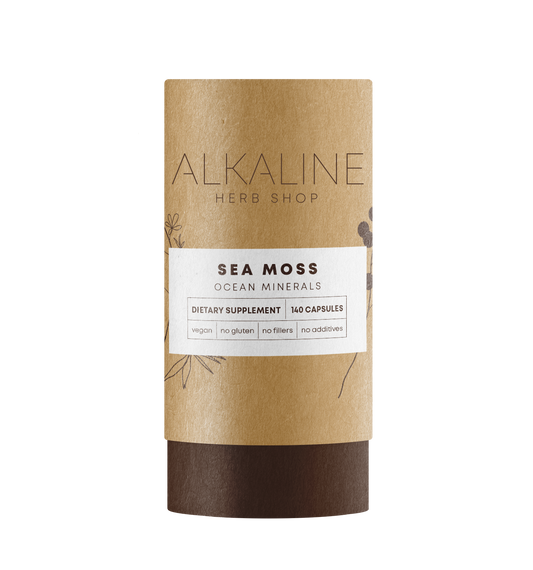
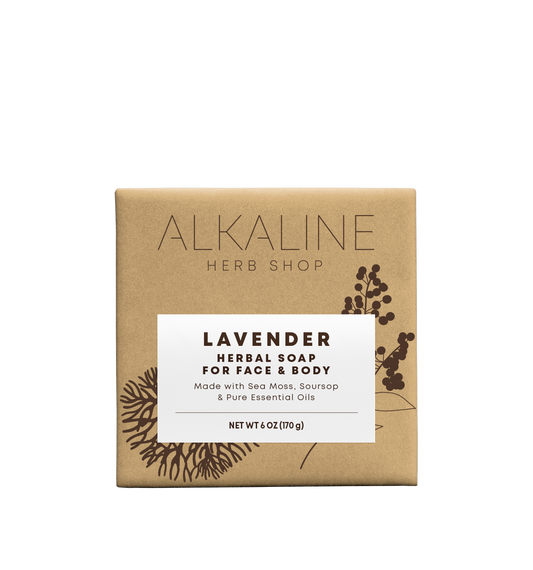
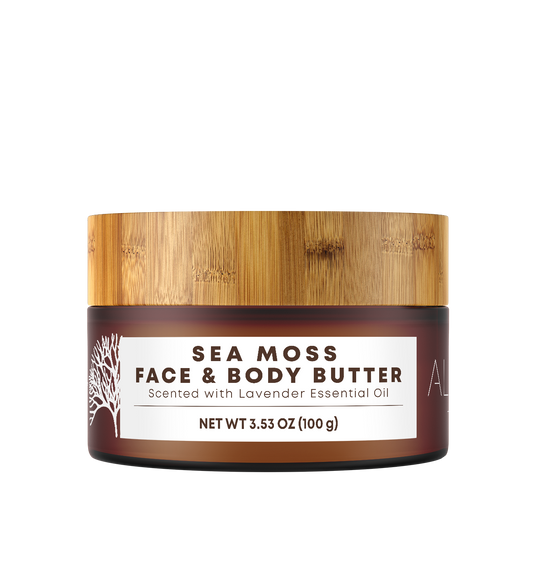
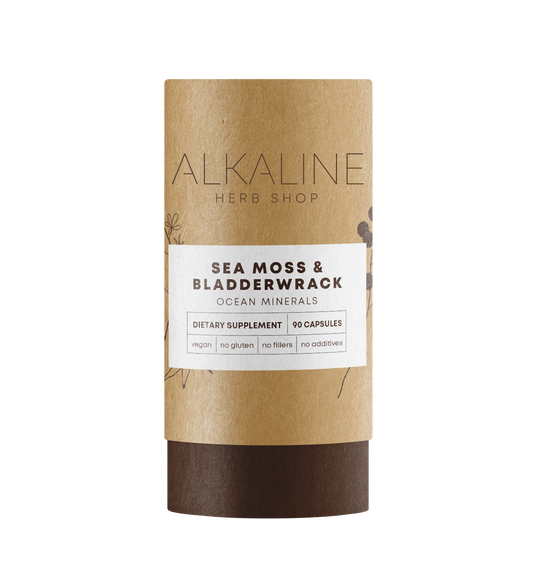
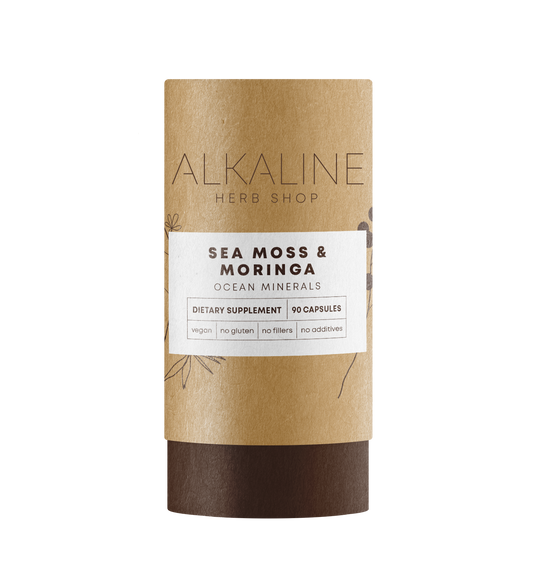
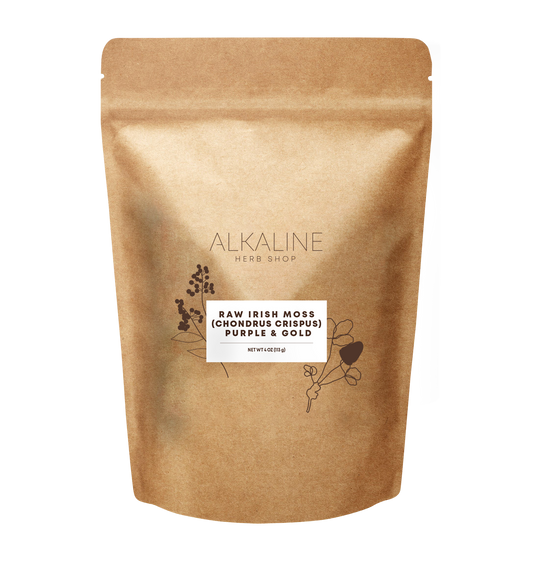
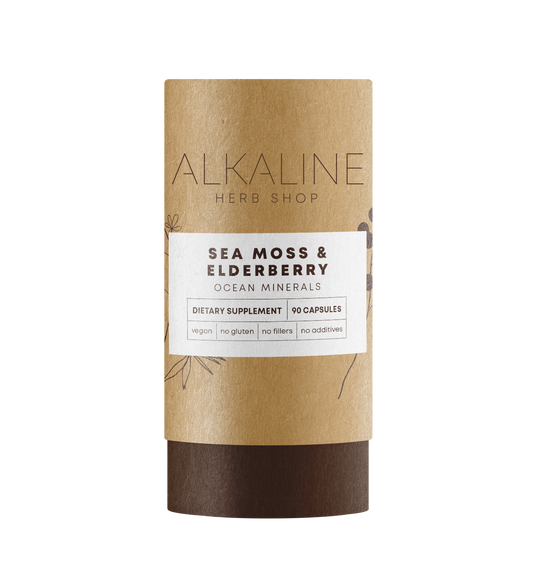
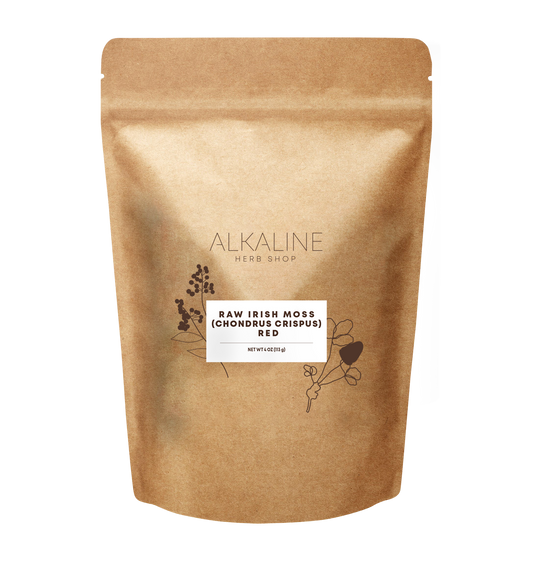

Sea moss, also known as Irish moss, has become a popular superfood due to its rich nutrient profile.* Packed with vitamins, minerals, and antioxidants, it has been praised for its ability to support immune health, improve digestion, and promote healthy skin.* However, like any supplement, it’s important to understand the potential side effects that can come with its use. In this article, we will explore the common side effects of sea moss, who should avoid it, and safety tips for its consumption.
While sea moss is generally safe for most people when consumed in moderation, there are some potential side effects that you should be aware of. Below are some of the common issues associated with sea moss:
One of the most significant side effects of consuming too much sea moss is iodine toxicity. Sea moss is naturally rich in iodine, a mineral essential for thyroid health.* However, excessive iodine can lead to thyroid dysfunction, including hyperthyroidism or hypothyroidism. Symptoms of iodine overload may include nausea, vomiting, fever, and a burning sensation in the throat.
Sea moss contains high levels of fiber, which can cause digestive issues, especially if consumed in large amounts. Some individuals may experience bloating, gas, and diarrhea. For people with sensitive stomachs or digestive conditions, sea moss may lead to discomfort. It’s recommended to start with small amounts to allow the body to adjust.
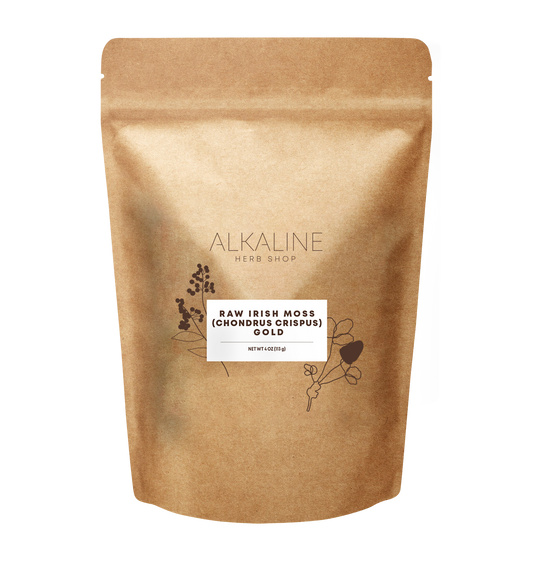
One concern with sea moss is its ability to absorb heavy metals like lead, mercury, and arsenic from the water it grows in. Consuming sea moss that has been contaminated with these harmful substances can lead to gastrointestinal problems, kidney damage, and other serious health issues. It is essential to choose high-quality, tested sea moss from pristine waters to reduce the risk of contamination. At Alkaline Herb Shop, all sea moss products are tested by a third party lab for heavy metals, identity, and microbes.
Some individuals may experience allergic reactions to sea moss, particularly due to the presence of carrageenan, a substance used to thicken the sea moss gel. Symptoms of an allergic reaction can include itching, swelling, rashes, and difficulty breathing. If you have known allergies to seaweed or carrageenan, it’s best to avoid sea moss or consult a doctor before using it.
As mentioned, sea moss is high in iodine, and excessive iodine intake can lead to thyroid problems. This can be particularly concerning for people with pre-existing thyroid conditions such as Hashimoto’s disease or Graves' disease. Overconsumption of iodine-rich foods like sea moss can worsen symptoms and interfere with thyroid function.
Although rare, topical application of sea moss gel may cause skin irritation in some individuals. If you are using sea moss gel as a face mask or body treatment, it’s best to do a patch test first to check for any allergic reactions or irritation. If redness or swelling occurs, discontinue use immediately.
Sea moss side effects for women deserve special attention. Pregnant and breastfeeding women should be particularly cautious, as excessive iodine intake can affect both thyroid function and fetal development. Women with hormonal sensitivities should also monitor their iodine intake when consuming sea moss regularly. Additionally, women taking thyroid medications or hormonal supplements should consult a healthcare provider before adding sea moss to their routine.
Sea moss side effects for men are generally similar to those experienced by women, including digestive discomfort, iodine overload, and potential heavy metal exposure. Men with kidney conditions or thyroid issues should exercise the same caution as anyone in those risk groups and consult a doctor before use.
While sea moss has numerous health benefits, it’s not suitable for everyone. Here are some groups of people who should avoid taking sea moss or consult a healthcare provider before using it:
Individuals with thyroid conditions, such as hyperthyroidism or hypothyroidism, should avoid sea moss unless given the all-clear by a healthcare provider. The high iodine content can disrupt thyroid function, making these conditions worse. If you have a thyroid disorder, it's essential to speak with your doctor before incorporating sea moss into your diet.
Pregnant and breastfeeding women should be cautious when taking sea moss. The excessive iodine in sea moss could affect thyroid function, and since iodine plays a critical role in fetal development, too much could be harmful. It’s always best to consult a healthcare provider to ensure it's safe for both mother and child.
Sea moss has the potential to strain the kidneys, especially in individuals with pre-existing kidney problems.* Because sea moss can accumulate heavy metals from the environment, it could worsen kidney function if consumed in large quantities. If you have kidney disease, speak to a doctor before using sea moss.
As mentioned earlier, sea moss can trigger allergic reactions, particularly due to carrageenan. If you have a sensitivity to seaweed or food additives like carrageenan, you should avoid consuming sea moss. Always check the product label to ensure it doesn’t contain any allergens.
If you choose to incorporate sea moss into your diet, there are several tips to ensure you use it safely:
Moderation Is Key: Start with small amounts (1-2 tablespoons of sea moss gel) to see how your body reacts. Gradually increase the amount if you don't experience any side effects.
Choose High-Quality Products: Select wildcrafted sea moss that has been tested. At Alkaline Herb Shop, all sea moss products are tested by a third party lab for heavy metals, identity, and microbes.
Consult a Healthcare Provider: If you have any underlying health conditions or are pregnant, consult your doctor before using sea moss.
Monitor Your Iodine Intake: Keep track of all sources of iodine in your diet (such as iodized salt, dairy, and eggs) to avoid exceeding the daily recommended intake.
Know When to Stop: If you experience any adverse effects, such as digestive discomfort or skin irritation, discontinue use immediately and consult a healthcare professional.
Sea moss is a nutrient-rich superfood that offers numerous health benefits, but it’s important to use it responsibly.* Whether you prefer sea moss gel, sea moss gummies, or capsules, the same cautions apply. If you are in a high-risk group, such as individuals with thyroid disorders, pregnant or breastfeeding women, or those with allergies, it’s best to consult a healthcare provider before using sea moss. By following safety guidelines and using sea moss in moderation, you can enjoy its benefits without risking your health.
The most common side effects of sea moss include digestive issues such as bloating, gas, and diarrhea, as well as iodine overload, which can lead to thyroid problems. Allergic reactions, skin irritation, and heavy metal contamination are also potential risks associated with sea moss consumption.
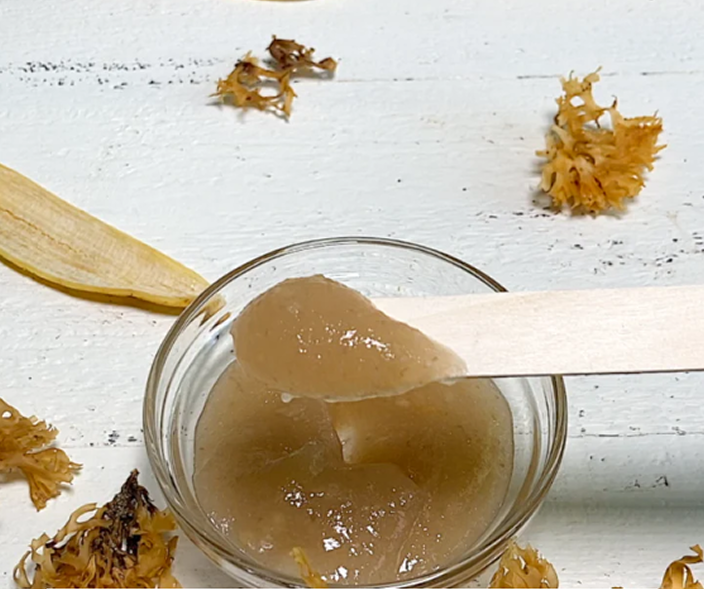
The side effects of sea moss gel are consistent with sea moss in general and include digestive discomfort, iodine overload, and possible allergic reactions, particularly due to carrageenan. When applied topically, sea moss gel may also cause skin irritation in sensitive individuals.
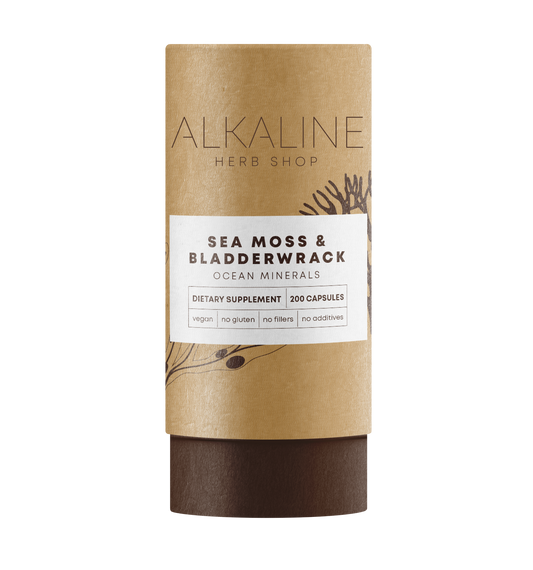
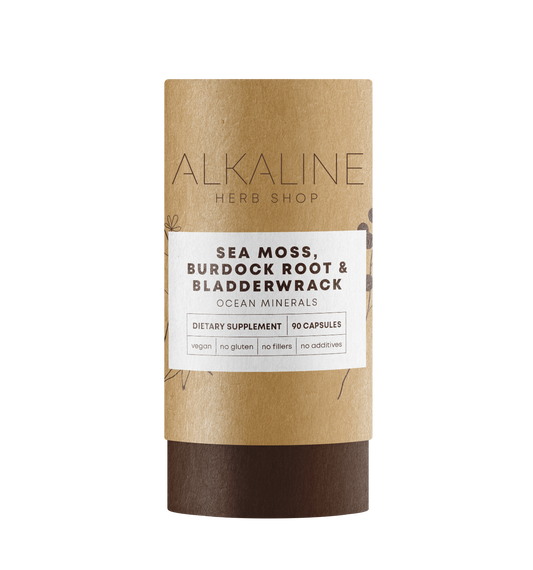
The side effects of sea moss capsules mirror those of other sea moss forms: iodine overload, digestive issues, and potential heavy metal exposure. Capsules may be more concentrated, so it's especially important to follow dosage instructions and not exceed the recommended amount.
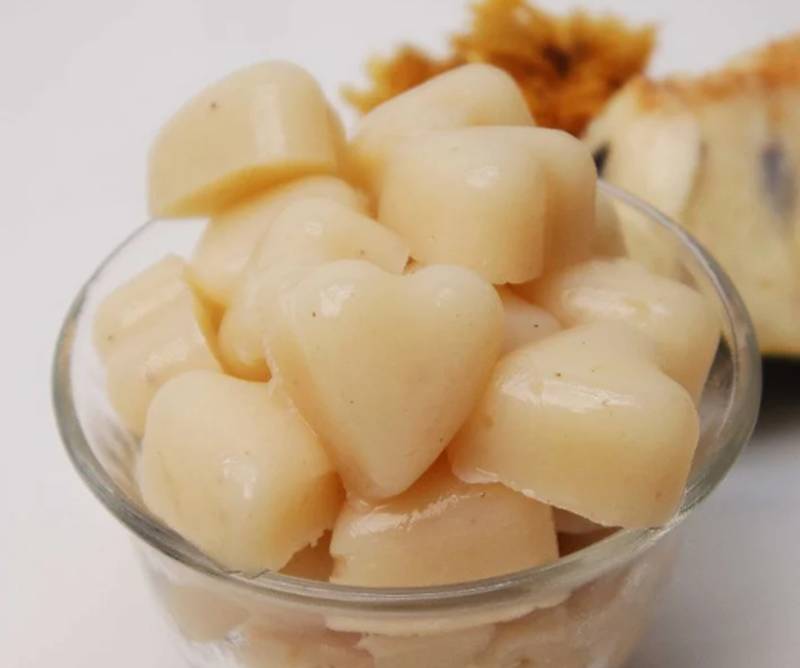
Sea moss gummies' side effects are generally the same as other forms, including iodine-related thyroid effects and digestive issues. However, gummies may also contain added sugars or artificial ingredients, so always check the label for additional allergens or compounds.
A simple way to stay in control of what you’re consuming is to make your own sea moss gummies at home. With a basic recipe, you can skip unnecessary additives and know exactly what goes into your body.
Yes, some individuals may experience allergic reactions to sea moss. Symptoms of an allergic reaction may include itching, swelling, rashes, or difficulty breathing. If you experience any of these symptoms, discontinue use and consult a doctor.
Yes, sea moss can cause bloating, particularly due to its high fiber content. This is more common when first starting sea moss or consuming it in large quantities. Starting with a small dose and gradually increasing it can help minimize this effect.
Sea moss can make you gassy, especially if your digestive system is sensitive to high-fiber foods. The fermentable fiber in sea moss may produce gas during digestion, which usually subsides as your body adjusts.*
Yes, sea moss can give you diarrhea if consumed in excess. Its high fiber content can have a laxative effect on some people, particularly those new to it or with sensitive digestive systems. Sticking to the recommended serving size can help prevent this.
People with thyroid disorders, pregnant or breastfeeding women, individuals with kidney issues, and those allergic to seaweed or carrageenan should avoid taking sea moss unless advised by a healthcare provider. Always consult a doctor before incorporating sea moss into your diet if you have any pre-existing health conditions.
If you experience any side effects from sea moss, such as digestive issues, allergic reactions, or thyroid symptoms, stop using it immediately. Consult a healthcare provider to determine the best course of action. It’s essential to monitor your body’s reaction and avoid overconsumption of sea moss.
Sea moss can interact with certain medications and supplements, particularly those related to thyroid health.* If you're taking other supplements, especially iodine or thyroid medications, consult your healthcare provider to ensure there are no adverse interactions.

Suhail Rivera is the founder of Alkaline Herb Shop. She left a 10-year law career to pursue natural healing after struggling with stress and poor health. Inspired by Dr. Sebi’s teachings, she discovered the power of an alkaline diet and herbal remedies. She is passionate about wellness and is dedicated to helping others on their healing journeys.
.png?v=14052428765372906161761701960) Previous Post
Previous Post
%20copy.png?v=62173825240595680121761701960)