Is Sea Moss Good for Eczema? An Honest Look
Published on


By Suhail Rivera, JD, founder of Alkaline Herb Shop
If you have eczema, you have probably tried a lot of products that promised relief and did not deliver, so it is fair to be skeptical about the buzz around sea moss too. Here is an honest look at what sea moss can and cannot do for eczema-prone skin, so you can decide whether it is worth a spot in your routine.* New to sea moss? Start with our complete sea moss guide.
The honest bottom line first: sea moss is not a treatment or a cure for eczema. Eczema is a medical skin condition, and there are no clinical studies showing that sea moss treats it. What sea moss actually is, is a gentle natural moisturizer. And since keeping skin well moisturized is one of the things dermatologists recommend for eczema-prone skin, that is the realistic, useful role sea moss can play. Think of it as skincare, not medicine.
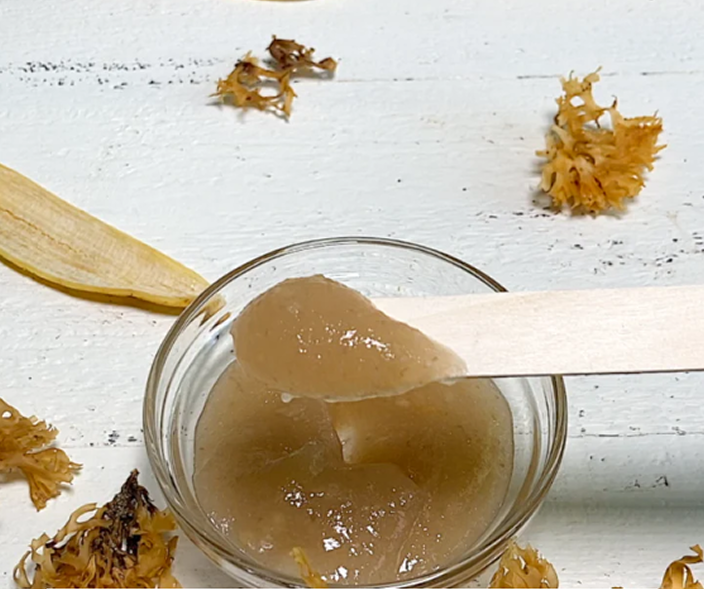
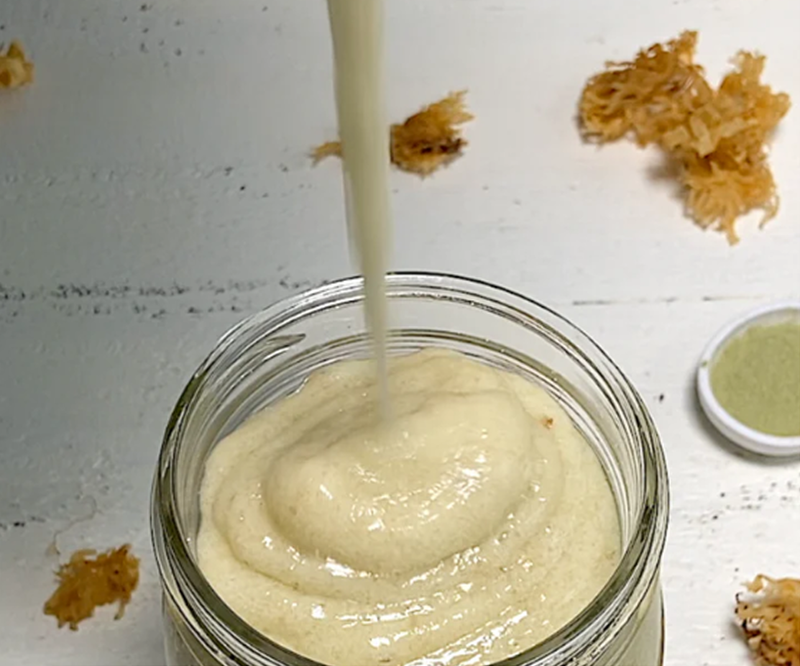
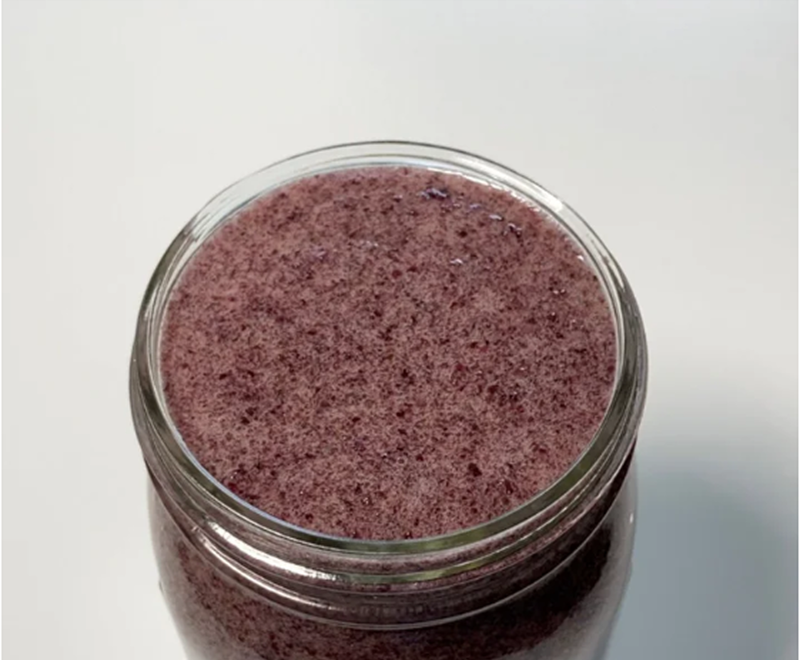
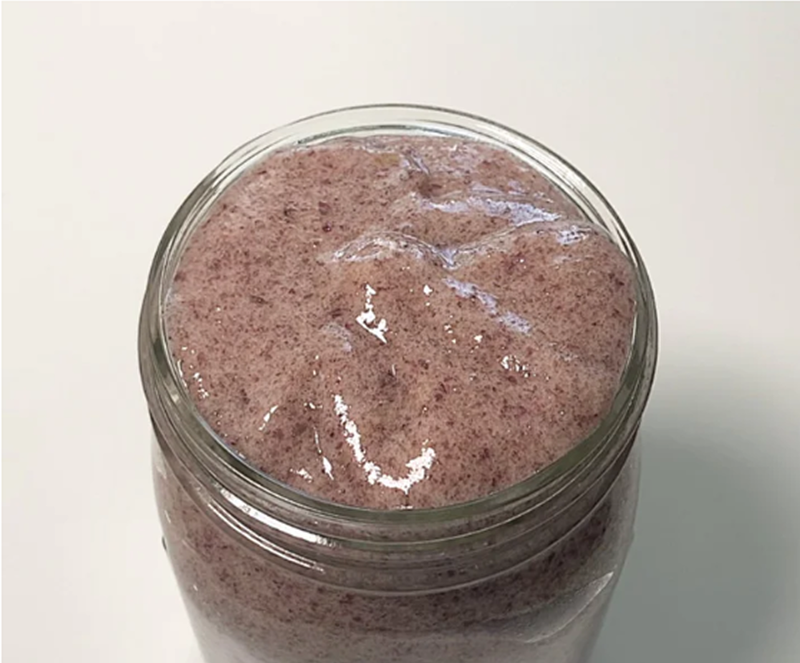
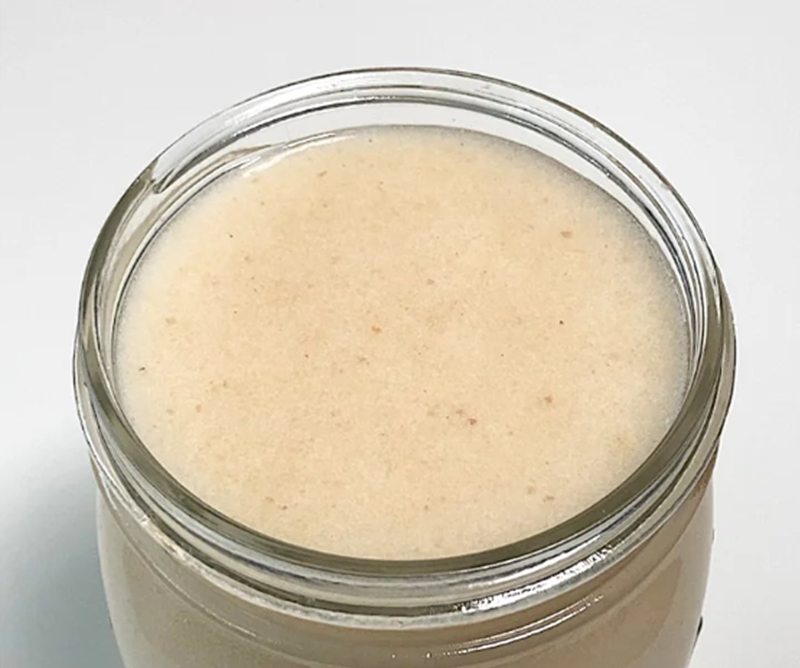
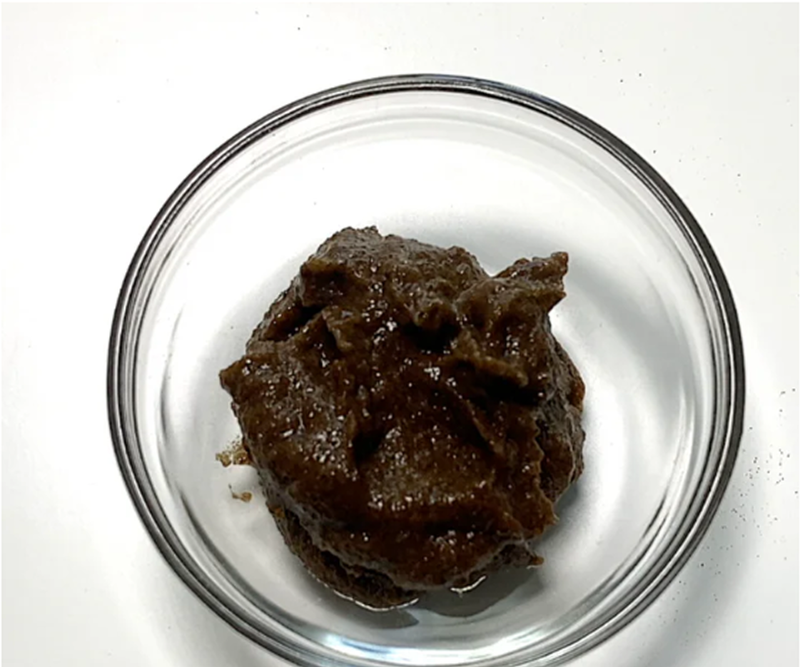
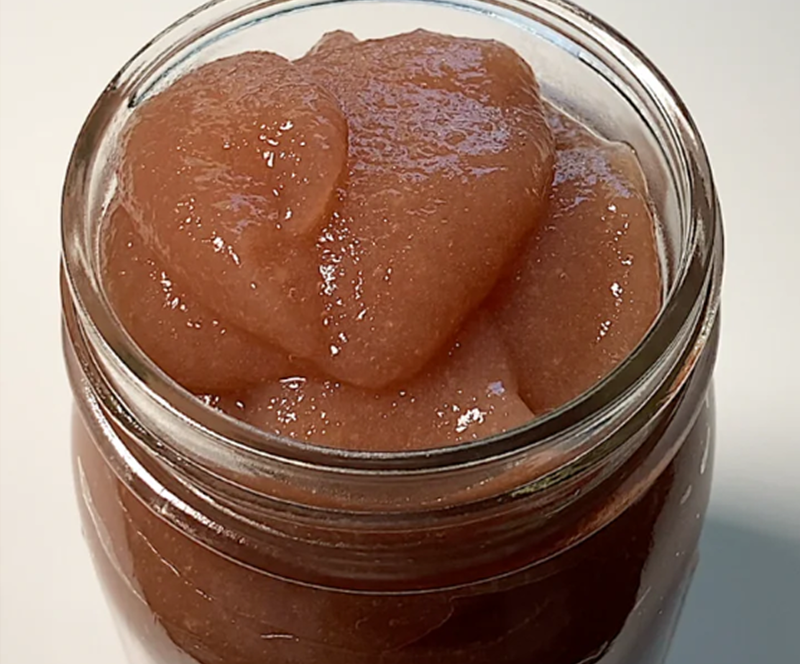
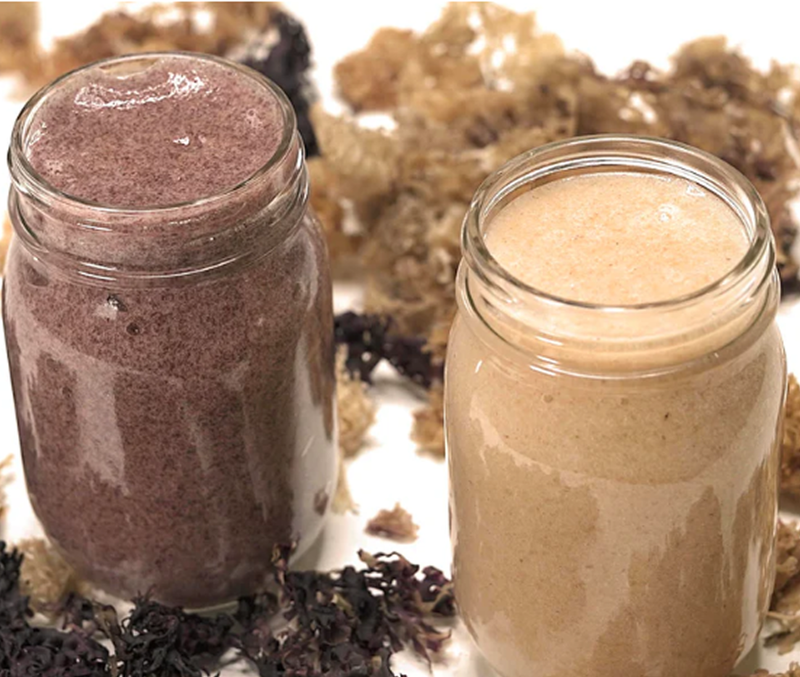
The premium variety, Chondrus crispus, is a red and gold algae that grows in cold Atlantic water. Soaked and blended it forms a slippery gel that people use as a natural moisturizing mask, both because it holds water well and because it feels soothing on dry skin.*
Two of these are measured on our own Supplement Facts panel and one is simply what the plant feels like. Those are the three worth knowing about:
A gel-like mucilage. This is the one that matters for skin, and it is not nutrition at all. Sea moss is naturally mucilaginous, which is what gives the gel its water-holding, moisturizing feel.
Iodine, 364 mcg, 243% of the Daily Value. On the Supplement Facts panel of our Sea Moss Capsules, in a 4 capsule serving. Iodine supports normal thyroid function and healthy skin.*
Iron, 4 mg, 24% of the Daily Value. Also on the panel. Iron supports normal red blood cell formation and helps reduce tiredness and fatigue.*
Sea moss is not a treatment for eczema, and no product on this page will cure it. But here is why people with dry, eczema-prone skin reach for it, and what is realistic to expect.
The single most useful thing sea moss offers eczema-prone skin is moisture. Dry skin is a hallmark of eczema, and keeping skin well moisturized is one of the first things skin specialists recommend for managing it. Sea moss gel is naturally moisturizing: applied to damp skin it lays down a light, breathable layer that helps the skin hold onto water, without feeling heavy or greasy. That is a cosmetic, skincare benefit, and it is the honest reason sea moss belongs in this conversation.*
Beyond hydration, a lot of people simply find the cool, slippery gel comfortable on dry, tight-feeling skin. That is a texture-and-moisture comfort, not a medical effect, but for day-to-day comfort it can be a nice addition to a gentle routine.
Compared with heavily fragranced or additive-packed products that can irritate sensitive skin, a pure sea moss gel with no added fragrance or preservatives is about as simple as a topical gets. For reactive skin, simple is often welcome. (Always patch test first, more on that below.)
What sea moss does not do: it does not treat, cure, or manage eczema, it does not replace prescribed creams or medication, and it will not fix the underlying condition. If your eczema is painful, spreading, weeping, or not improving, that is a job for a dermatologist, not a supplement.
Before you try sea moss on eczema-prone skin, keep these points in mind:
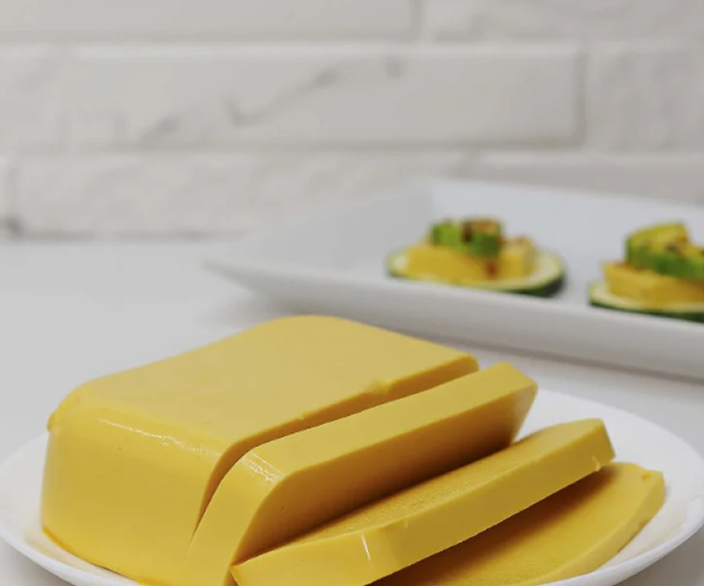
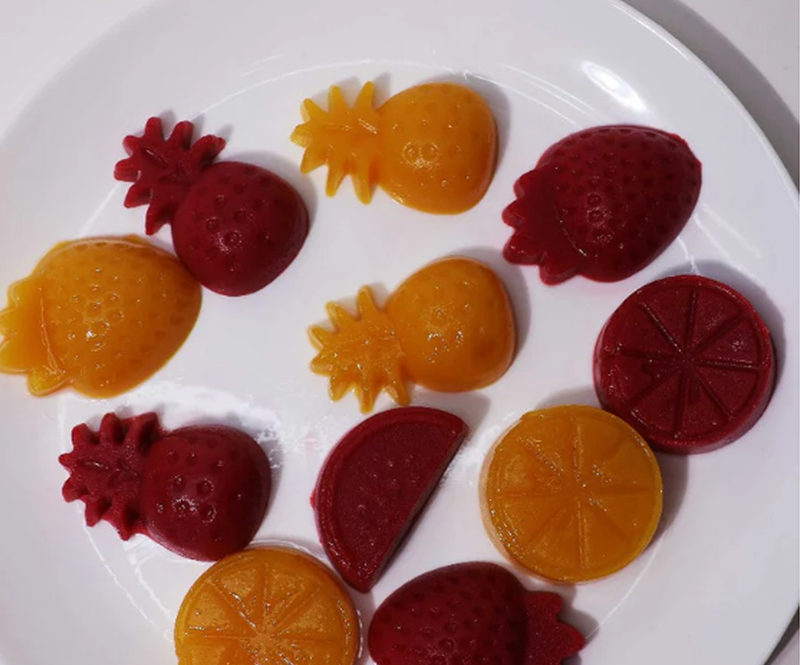
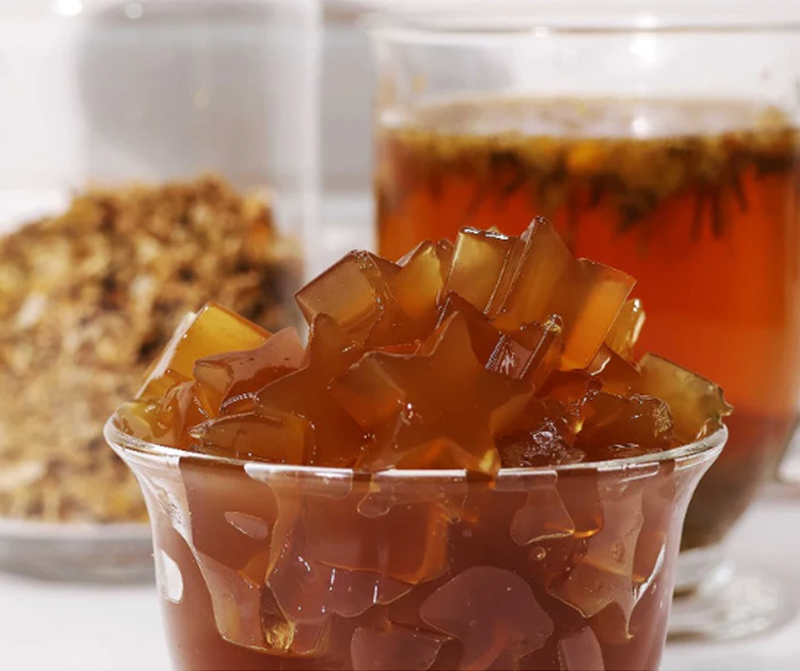
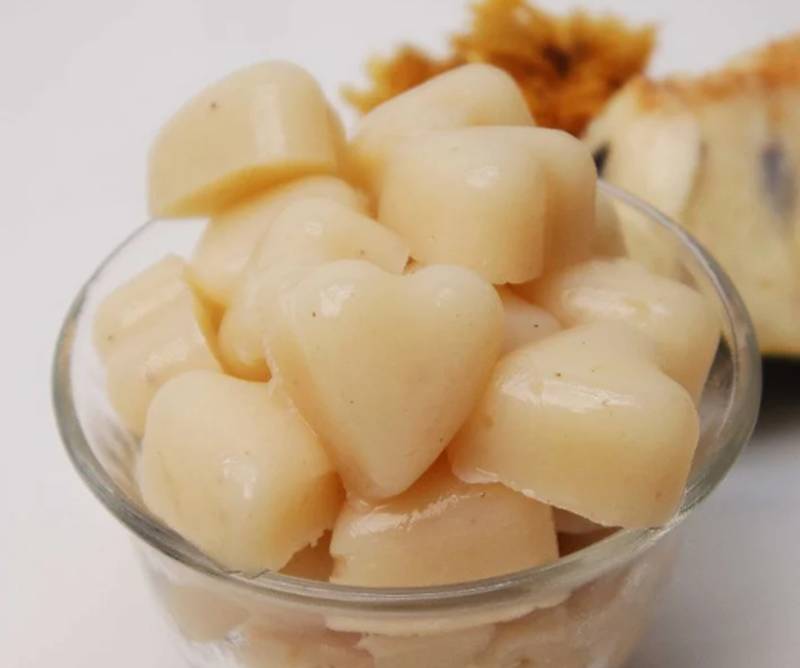
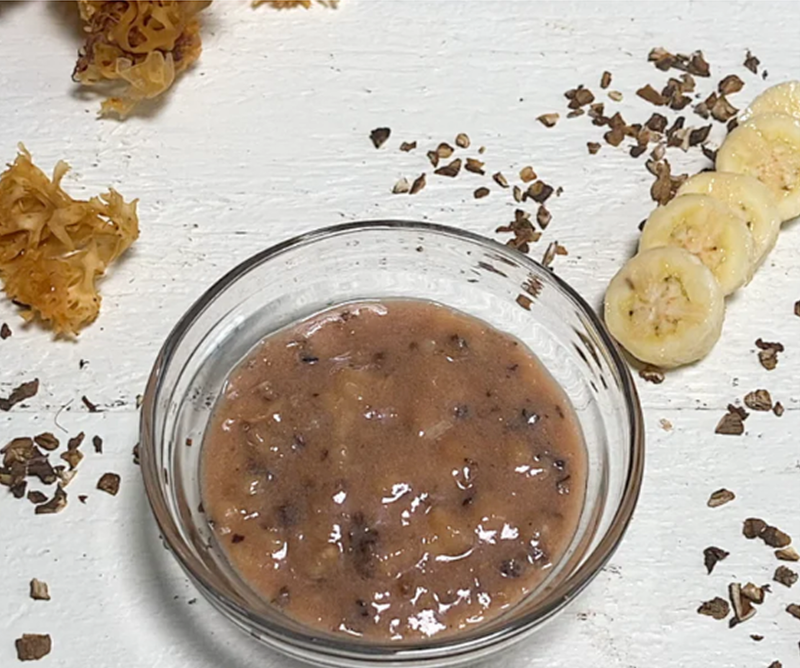
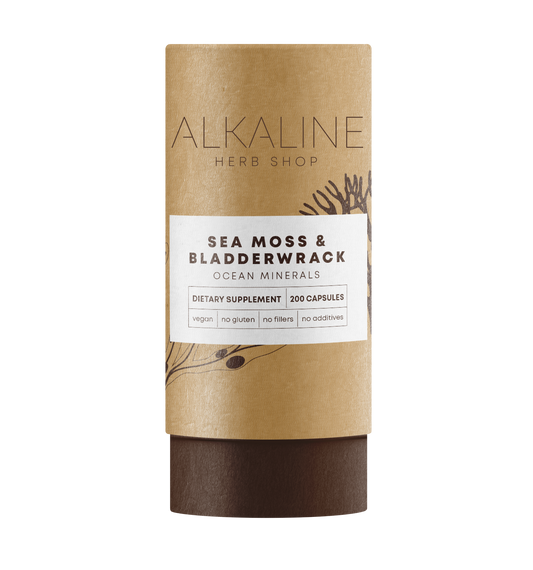
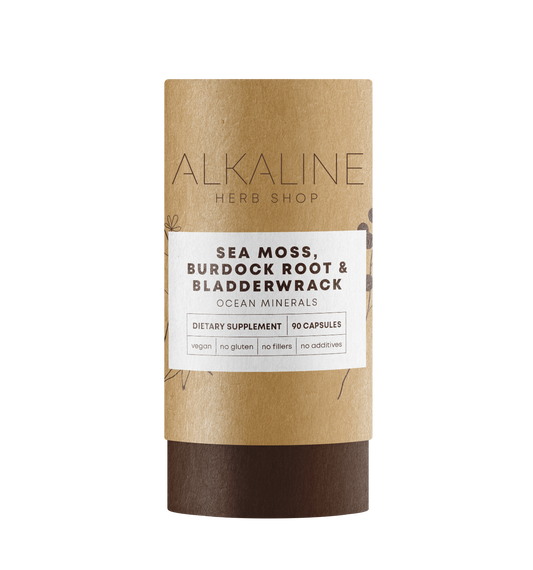
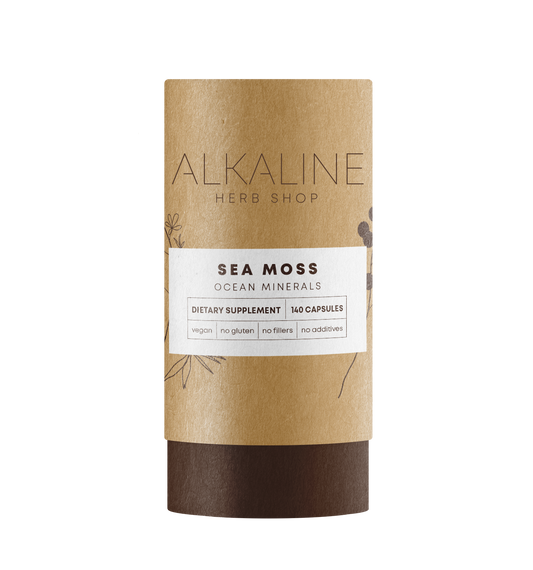
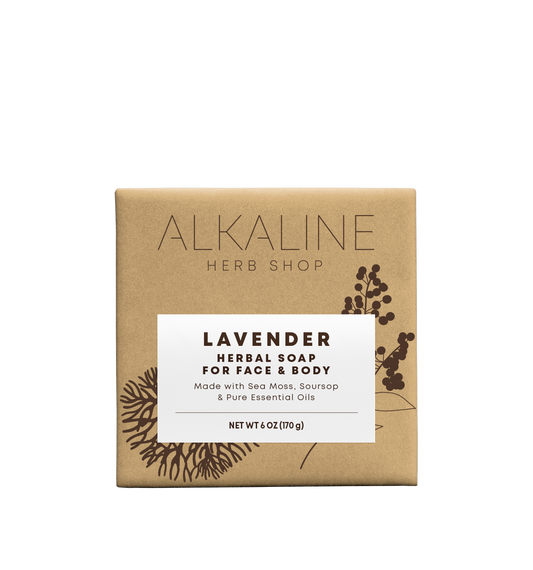
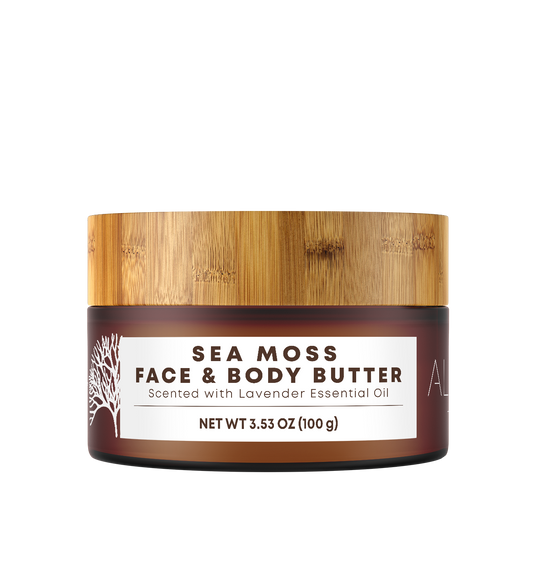
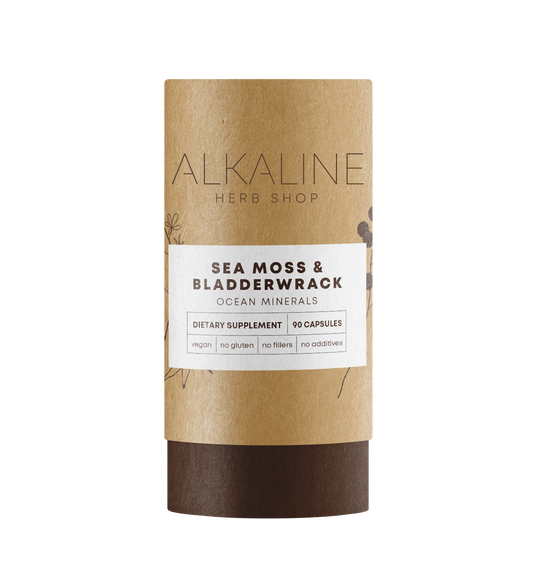
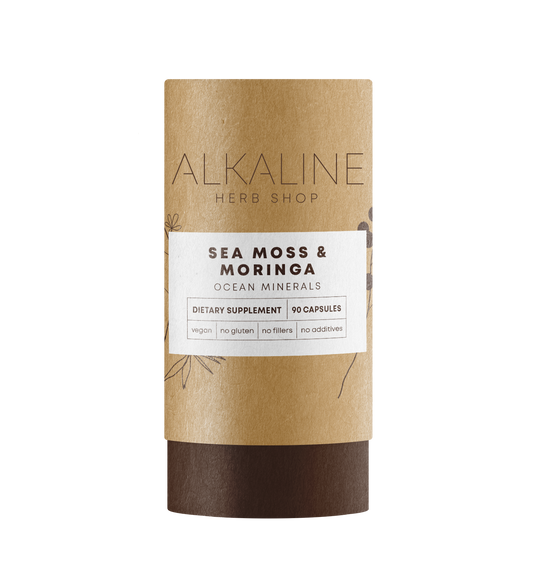
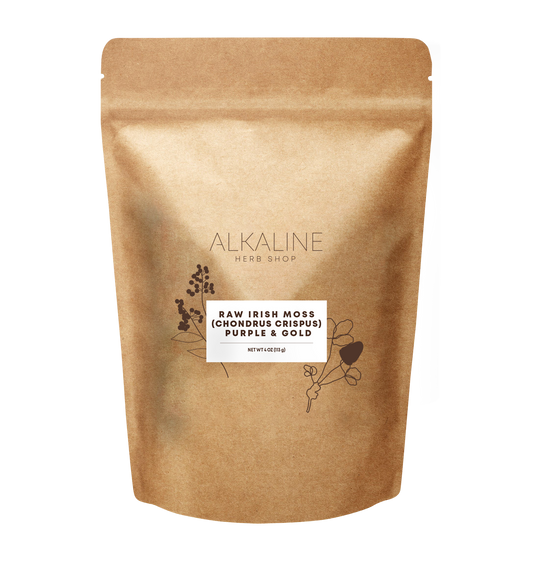
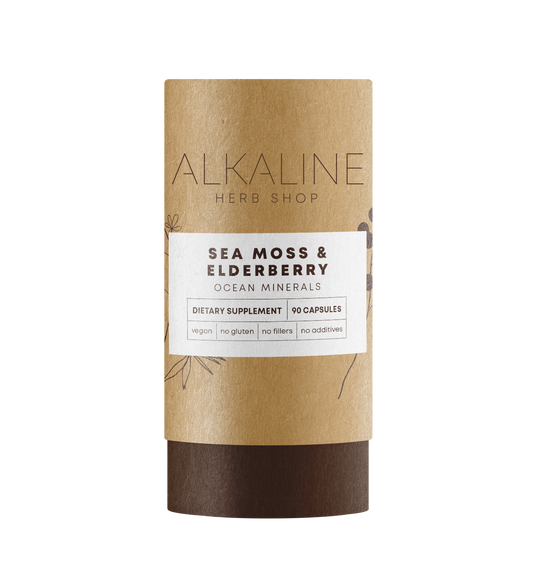
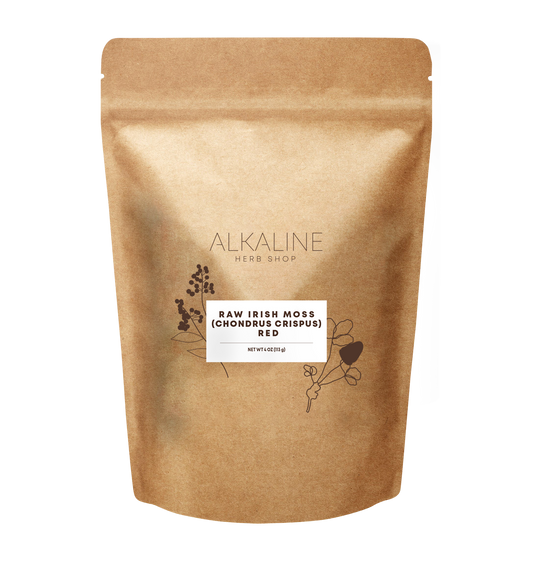
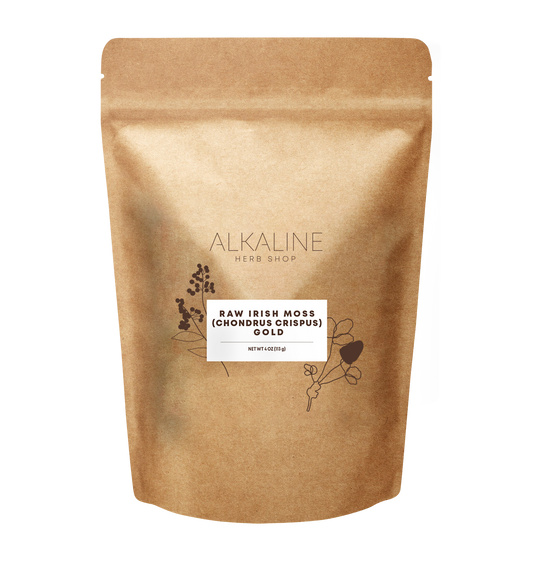
If you want to try sea moss as a moisturizer, here are the sea moss products and practical ways people use it:
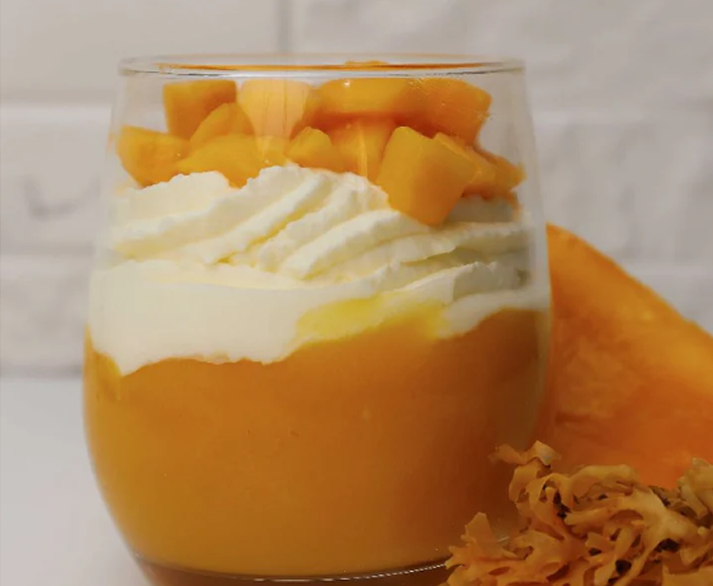
Eating sea moss adds iodine and iron to your diet, and both are on the panel above. It is not a treatment for eczema, and you should not expect it to clear a flare.
The source matters, especially for sensitive skin. Look for sea moss that comes from cold, clean waters, is wildcrafted rather than pool or rope grown, is tested for identity, microbes, and heavy metals, and contains no additives. Alkaline Herb Shop offers Chondrus crispus sea moss that meets these standards.
Sea moss is not a cure for eczema, and any product or brand claiming otherwise is overselling. What it honestly is: a simple, gentle, naturally moisturizing gel, and since moisture is a real part of caring for eczema-prone skin, that makes it worth considering as a cosmetic addition to a routine you build with your doctor or dermatologist. Patch test, choose a clean tested product, keep using your prescribed care, and see how your skin feels.*
Sea moss is not a treatment for eczema, and there is no clinical proof it heals the condition. What it is good for is moisture: it is a natural moisturizing gel, and keeping skin hydrated is a genuine part of caring for eczema-prone skin. Use it as a gentle moisturizer alongside, not instead of, the care your doctor recommends.*
It may help by keeping dry skin moisturized and feeling more comfortable, which is a cosmetic benefit. It does not treat the underlying condition or replace medication. If your eczema is not improving, see a dermatologist.
Apply a thin layer of raw sea moss gel to clean, damp skin as a moisturizing mask, leave it 15 to 20 minutes, and rinse or leave on as tolerated. Patch test first, and use a clean, tested product.
Topical use is generally well tolerated, but always patch test, especially if you are sensitive to seafood or iodine, and choose a high-quality, tested product free of contaminants and additives.
No. Sea moss is a moisturizer and a food, not a medicine. Keep using your prescribed treatments and follow your healthcare provider's advice.
As a moisturizer, skin can feel softer right away. Any routine takes consistency, and results vary by person. Remember you are moisturizing, not treating a condition.
*These statements have not been evaluated by the Food and Drug Administration. Sea moss is a food and a cosmetic moisturizer, and is not intended to diagnose, treat, cure, or prevent any disease, including eczema. Talk to your healthcare provider or dermatologist about managing eczema, and before using sea moss internally if you are pregnant, nursing, taking medication, or managing a thyroid condition.


.png?v=14052428765372906161786250558) Previous Post
Previous Post
%20copy.png?v=62173825240595680121786250558)