Sea Moss Benefits for Blood Pressure: Scientific Evidence & Usage Guide
Published on
Written by Suhali Rivera

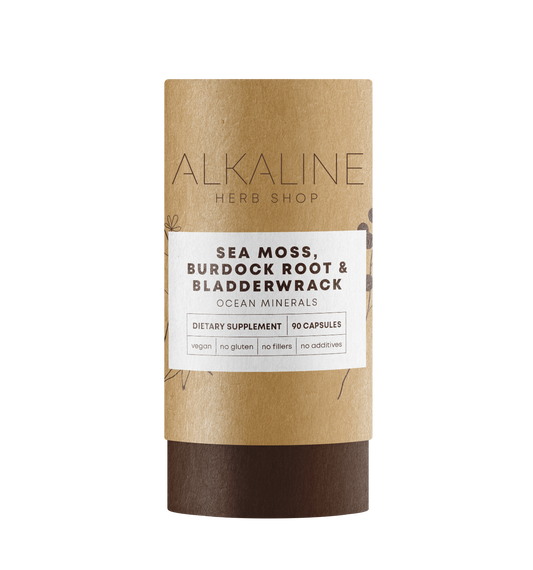
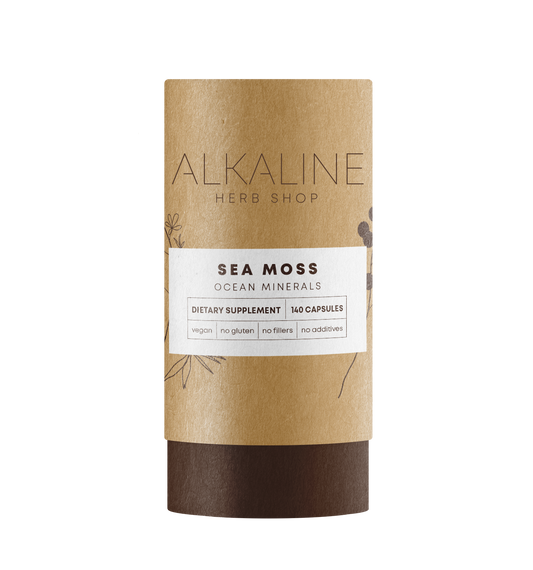
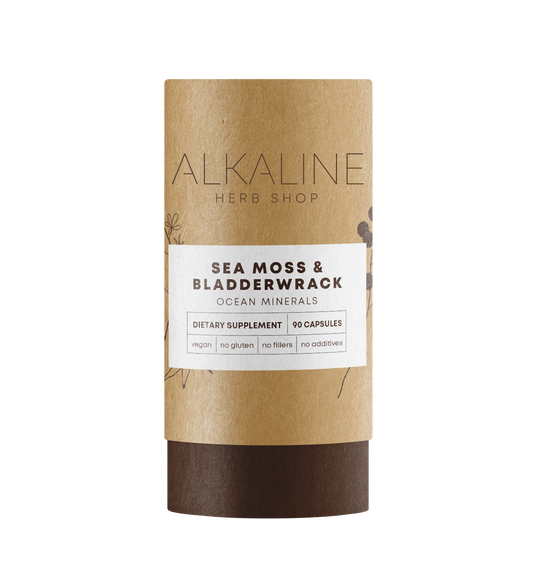
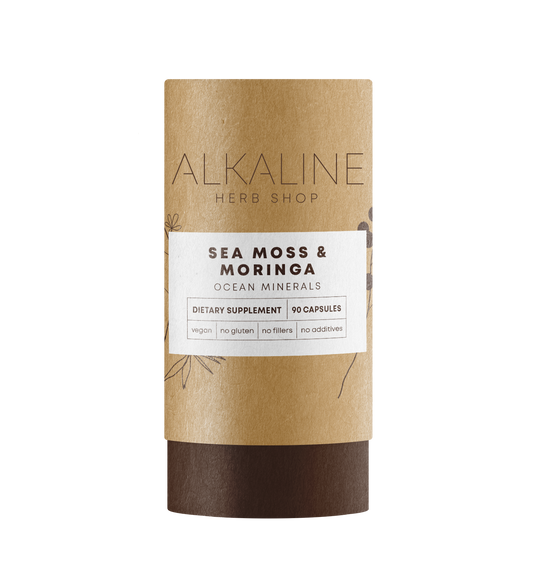
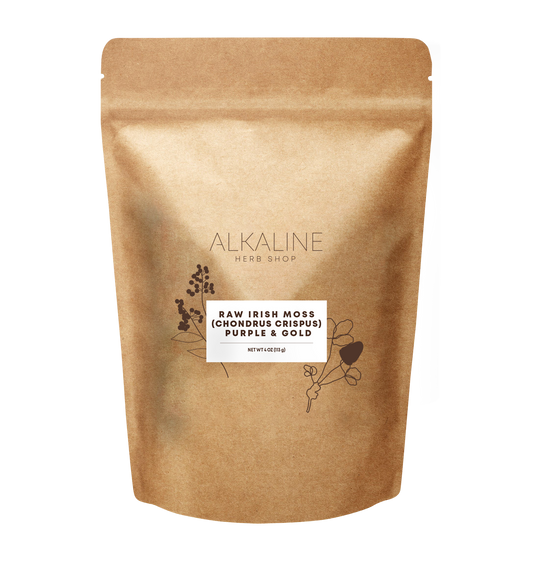

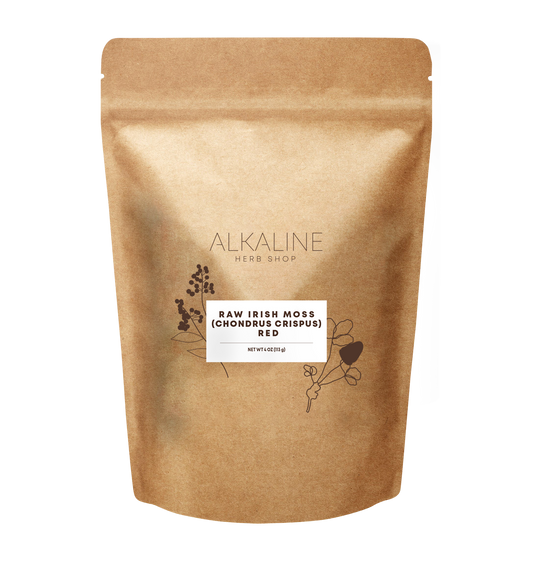

Nearly 1 in 3 adults worldwide struggles with high blood pressure, an easy-to-miss condition that can lead to serious health complications. If you're looking for natural ways to support your cardiovascular health, sea moss might be worth your attention. This nutrient-rich seaweed has been used for centuries in traditional wellness practices and is now gaining popularity in modern health circles.
Sea moss contains key minerals like potassium and magnesium that play important roles in heart health and blood pressure regulation.* For those seeking a natural way to manage blood pressure, sea moss is a good option.*
In this article, we'll explore the impact of sea moss on blood pressure, examine the scientific evidence, and provide practical guidance on how to incorporate this marine algae into your wellness routine effectively and safely.
Sea moss, scientifically known as Chondrus crispus or Irish moss, is a species of red algae that grows along the rocky parts of the Atlantic coast of Europe and North America. For centuries, it has been harvested and used in everyday life as both food and medicine.
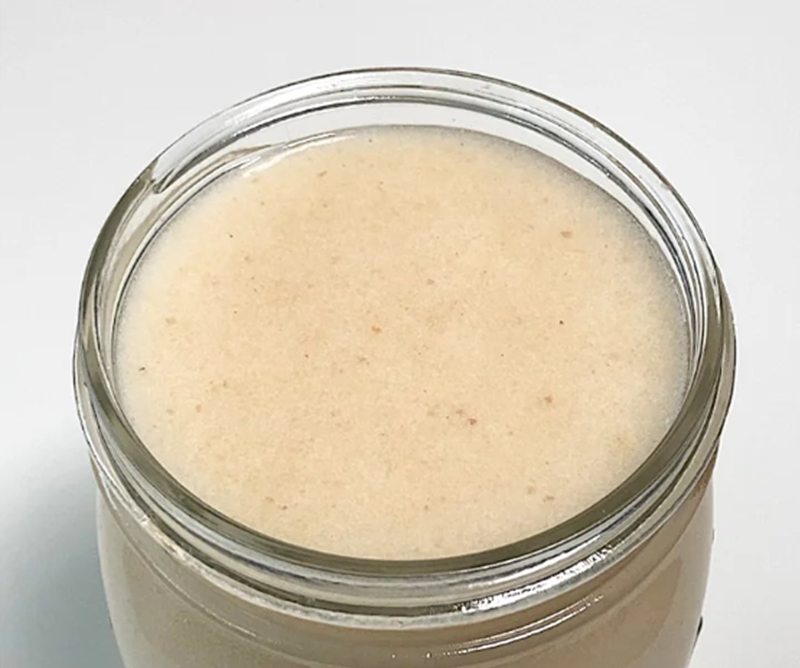
Sea moss supplements come in several forms for modern consumption:
What makes sea moss particularly valuable is its impressive nutrient profile. It contains minerals that the human body needs, including iodine, potassium, calcium, and magnesium.* These minerals are naturally absorbed from the ocean water and rocks where the sea moss grows.
The highest quality Chondrus crispus sea moss grows in cold, northern Atlantic waters where it attaches to rocks and absorbs minerals directly from its environment. This cold-water, wildcrafted variety is considered superior to cultivated varieties grown in warm waters. The natural growing conditions contribute to its rich mineral content and potential sea moss health benefits.
Blood pressure is the force of blood pushing against the walls of your arteries as your heart pumps. It's measured using two numbers: systolic pressure (when your heart beats) and diastolic pressure (when your heart rests between beats).
Normal blood pressure is typically around 120/80 mmHg. When these numbers consistently rise above 130/80 mmHg, you're considered to have high blood pressure, or hypertension.
Your body regulates blood pressure through a complex system involving your:
High blood pressure can develop from various factors:
Left untreated, hypertension can damage your arteries, heart, brain, and kidneys. It significantly increases your risk of heart attack, stroke, heart failure, and kidney disease. What makes it particularly dangerous is that it often has no symptoms until serious damage has occurred, earning it the nickname "the silent killer."

Blood pressure is the force of blood pushing against the walls of your arteries as your heart pumps. It's measured using two numbers: systolic pressure (when your heart beats) and diastolic pressure (when your heart rests between beats).
Normal blood pressure is typically around 120/80 mmHg. When these numbers consistently rise above 130/80 mmHg, you're considered to have high blood pressure, or hypertension.
Your body regulates blood pressure through a complex system involving your:
Heart (pumping force)
Blood vessels (flexibility and diameter)
Kidneys (fluid and salt balance)
Hormones (chemical messengers that signal blood vessel constriction or relaxation)
High blood pressure can develop from various factors:
Genetic predisposition
Age (risk increases as we get older)
Diet high in sodium and low in potassium
Lack of physical activity
Stress
Smoking and alcohol consumption
Certain medical conditions
Left untreated, hypertension can damage your arteries, heart, brain, and kidneys. It significantly increases your risk of heart attack, stroke, heart failure, and kidney disease. What makes it particularly dangerous is that it often has no symptoms until serious damage has occurred earning it the nickname "the silent killer."
Certain nutrients in sea moss may support healthy blood pressure levels:*
Sea moss contains minerals that play direct roles in blood pressure regulation.*
According to USDA, sea moss contains magnesium, but in relatively small amounts, about 7.7 mg per 10 grams, so while it contributes, it isn’t a primary source of this mineral. Still, even modest dietary intake can play a supportive role over time. A 2021 systematic review published in Hypertension, a journal of the American Heart Association, pooled results from 38 randomized controlled trials covering 2,709 participants. Using a median dose of about 365 mg of elemental magnesium per day for roughly 12 weeks, supplementation produced a clear drop in blood pressure compared to placebo: systolic pressure (the top number) fell by an average of 2.81 mm Hg, and diastolic pressure (the bottom number) fell by 2.05 mm Hg. These numbers may sound small, but even a 2 mm Hg drop in systolic pressure meaningfully lowers stroke and heart disease risk across a population. The effect was stronger in people already taking blood-pressure medication, who saw additional reductions of 7.68/2.96 mm Hg, suggesting magnesium can work alongside standard treatment rather than compete with it.
According to USDA, sea moss provides potassium in modest amounts, around 16.5 mg per 10 grams, so while it’s not a major source on its own, it can still contribute to overall intake when combined with other foods.* A 2025 dose-response meta-analysis in the Clinical Kidney Journal looked at the second mineral sea moss delivered in meaningful amounts. Instead of just asking whether potassium lowers blood pressure, the researchers examined how the amount consumed relates to the size of the effect. They found a clear dose-dependent relationship: the more potassium participants took in, the greater the reduction in their blood pressure, with the strongest benefit in people who already had hypertension. This backs up long-standing guidance from the World Health Organization, which classifies inadequate potassium intake as a modifiable risk factor for high blood pressure, one of the contributors you can actually change through diet.
Chronic inflammation can damage blood vessels and contribute to hypertension. Sea moss contains compounds with anti-inflammatory properties that may help protect your cardiovascular system.*
Sea moss also provides fucoxanthin and other carotenoids, which may fight inflammation at the cellular level.* These compounds may help reduce the inflammation that can stiffen arteries and raise blood pressure over time.*
Sea moss contains natural iodine, an essential mineral that may support healthy thyroid function.* The thyroid plays a key role in regulating metabolism and helps influence both heart rate and blood pressure. When iodine intake is too low, the thyroid may struggle to produce enough hormones, which can impact blood pressure balance.
By helping meet iodine needs, sea moss may contribute to maintaining proper thyroid activity and, in turn, support cardiovascular health.* This may be especially relevant for individuals with mild or subclinical thyroid imbalances that can subtly affect blood pressure.*
Sea moss contains antioxidants that may combat oxidative stress.* It damages blood vessels and contributes to hypertension by reducing nitric oxide, a molecule that helps blood vessels dilate.*
The antioxidants in sea moss may help neutralize free radicals that cause oxidative damage.* This protection may help maintain blood vessel flexibility and function, supporting healthy blood pressure.*
Incorporating sea moss into your routine is relatively simple. Here's how to use it effectively for potential blood pressure benefits:
Recommended dosage: For most adults, 1-2 tablespoons of sea moss gel daily provides beneficial nutrients without excess. If using capsules, follow the manufacturer's guidelines, typically 3-4 capsules daily.
Best timing: Take sea moss preferably in the morning or afternoon. This helps with absorption and gives your body time to process the nutrients before bedtime.
Easy ways to consume sea moss:
Blend into smoothies, juices or foods (the mild taste pairs well with fruit)
Mix into tea
For best results, take daily in the morning
Consistency matters: For potential blood pressure benefits, daily use for at least 2-4 weeks is recommended before evaluating effects.
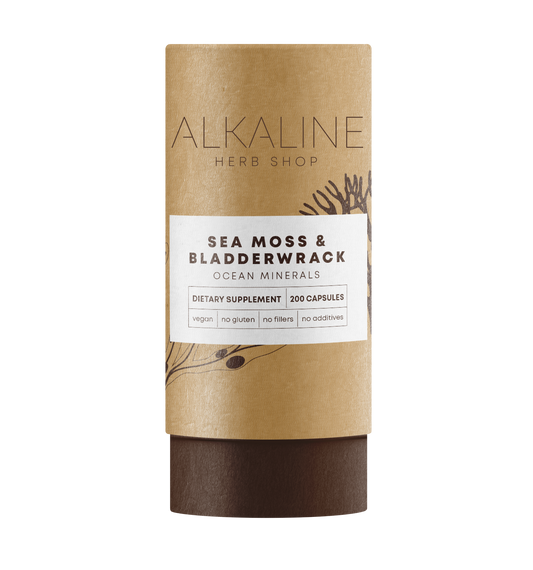
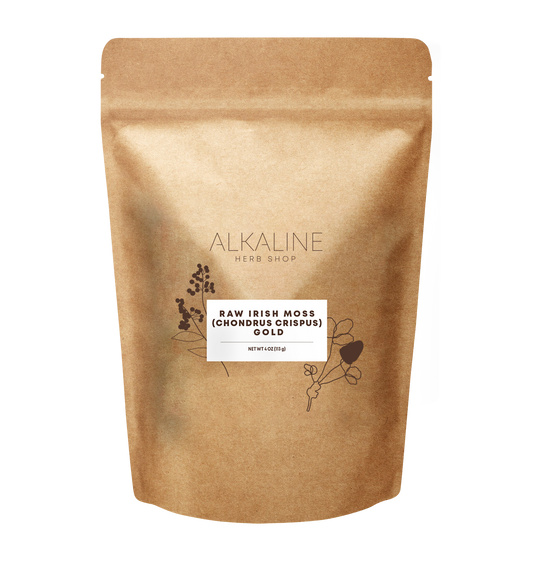
Quality considerations: Choose sea moss that's wildcrafted from cold waters for optimal mineral content. Alkaline Herb Shop offers premium Chondrus crispus sea moss that's sustainably harvested and packaged, filler- and additive-free, and third-party tested.
Remember that sea moss works best as part of a comprehensive approach to blood pressure management.* It’s one element of a full health approach that includes a balanced diet, regular exercise, stress management, and proper medical care.
While sea moss is generally safe for most people, there are some important considerations:
Mild digestive adjustments (gas or bloating) when first starting
Iodine sensitivity reactions in some individuals
Potential thyroid effects due to iodine content
Who should be cautious:
People with thyroid disorders should consult their doctor before using sea moss
Those taking blood pressure medications should monitor for potential interactions
Individuals with iodine allergies should avoid sea moss
Pregnant or breastfeeding women should check with their healthcare provider first
Sea moss may offer natural support for healthy blood pressure through its rich mineral content, anti-inflammatory properties, and antioxidant benefits.* The potassium and magnesium in sea moss work together to support vascular health and proper blood pressure regulation.*
For best results, incorporate sea moss as part of an approach to cardiovascular wellness that includes a balanced diet, regular physical activity, stress management, and proper medical care. Quality matters, choose wildcrafted sea moss from clean and cold waters for optimal benefits.
If you're interested in exploring sea moss for blood pressure support, start with a small amount and be consistent with daily use. Monitor your response and work with your healthcare provider, especially if you have existing health conditions.
Ready to try sea moss? Alkaline Herb Shop offers premium quality sea moss products that are wildcrafted, thoroughly tested, and prepared with care to preserve their natural benefits.
Yes, sea moss contains potassium, magnesium, and calcium that may support healthy blood vessel function.* Potassium helps balance sodium levels, while magnesium and calcium help relax blood vessels.*
Sea moss may help support healthy blood pressure levels, but it is not proven to directly or reliably lower blood pressure as a medical treatment.
Sea moss contains nutrients like potassium, magnesium, and calcium, which are known to support blood vessel relaxation, sodium balance in the body, and overall cardiovascular function.
Because of these effects, sea moss may contribute to healthier blood pressure regulation, but results vary and research is still ongoing.*
Sea moss can be considered supportive for people with high blood pressure, but it should be viewed as a complement not a replacement for medical treatment.
Sea moss may be beneficial because it may support blood vessel flexibility (magnesium, calcium), help manage sodium levels (potassium), and provide antioxidants that may reduce oxidative stress.
The key nutrients in sea moss for blood pressure support include potassium, magnesium, calcium, and iodine.* It also contains antioxidants and anti-inflammatory compounds that may protect blood vessel health.*
Yes, sea moss may improve circulation through a mineral profile that supports blood vessel health and function.* The iron in sea moss also supports healthy red blood cell production, which is essential for good circulation.*
Sea moss may be a helpful addition to a comprehensive approach for managing blood pressure naturally, but it's not a standalone treatment for diagnosed hypertension.* It works best alongside other lifestyle measures and medical care when needed.*
For potential blood pressure benefits, consume sea moss daily. Most people take 1-2 tablespoons of sea moss gel or 3-4 capsules daily with food.
Most people tolerate sea moss well, but some may experience mild digestive adjustment when first starting. Those with thyroid conditions or iodine sensitivity should use caution due to the natural iodine content.
You can potentially take sea moss while on blood pressure medication, but always consult your doctor first. Monitor your blood pressure closely, as the combination might improve the medication's effects, potentially requiring dosage adjustments.
Most people need to use sea moss consistently for 2-4 weeks before noticing potential effects on blood pressure.* Individual results vary based on overall health, diet, and lifestyle factors.
Sea moss contains magnesium, which has calming properties that may help manage stress responses.* By supporting overall mineral balance and providing anti-inflammatory compounds, sea moss might help moderate stress-related blood pressure fluctuations when used regularly.*
There isn't a single "clinically proven" time to take sea moss for blood pressure, no trial has compared morning versus evening dosing specifically. That said, the available guidance and the way minerals actually behave in the body point to a few sensible rules.

Suhail Rivera is the founder of Alkaline Herb Shop. She left a 10-year law career to pursue natural healing after struggling with stress and poor health. Inspired by Dr. Sebi’s teachings, she discovered the power of an alkaline diet and herbal remedies. She is passionate about wellness and is dedicated to helping others on their healing journeys.
.png?v=14052428765372906161761701960) Previous Post
Previous Post
%20copy.png?v=62173825240595680121761701960)