Sea Moss vs Spirulina: Which One Should You Choose?
Published on


By Suhail Rivera, JD, founder of Alkaline Herb Shop
Sea moss and spirulina get compared constantly, usually by someone selling one of them. They are not the same kind of thing at all, and the honest comparison is shorter than you might expect. Here is what each one actually is, what people take it for, and how to choose. New to sea moss? Start with our complete what is sea moss guide.
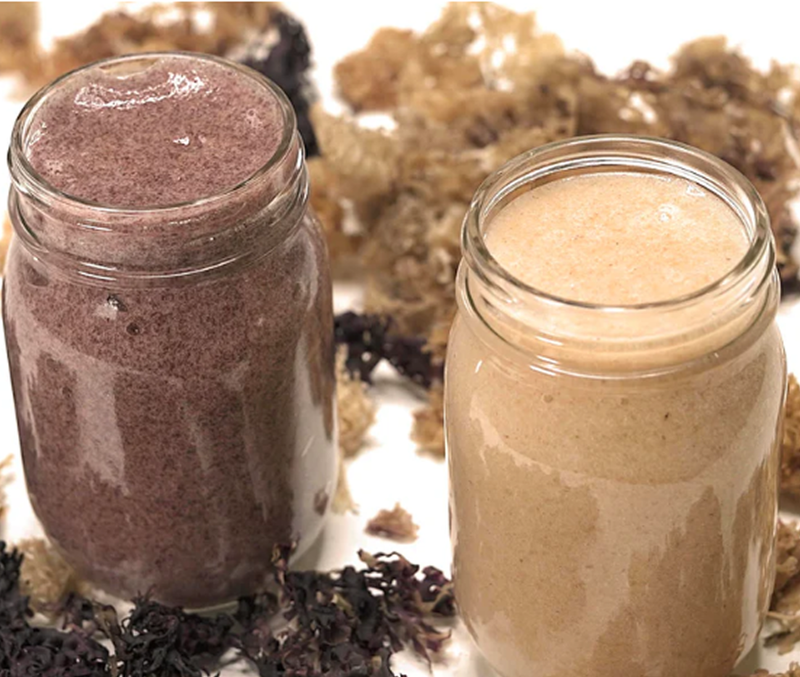
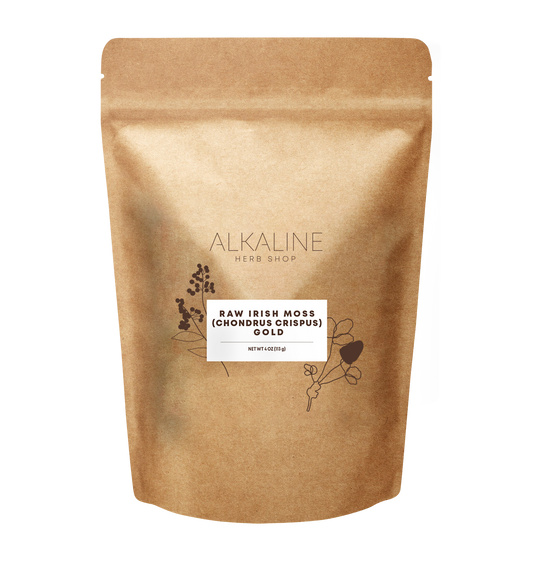
Sea moss, also known as Irish moss, is a type of red algae scientifically called Chondrus crispus. It grows along the rocky Atlantic coasts of North America and Europe. Historically, it has been used for centuries by cultures around the world as a food and a thickener.
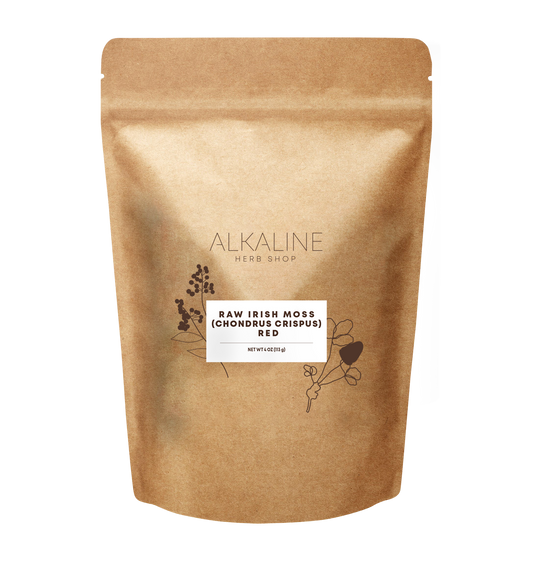
There are several types of sea moss, but Chondrus crispus is the type most sought after. It takes up minerals from the seawater it grows in.
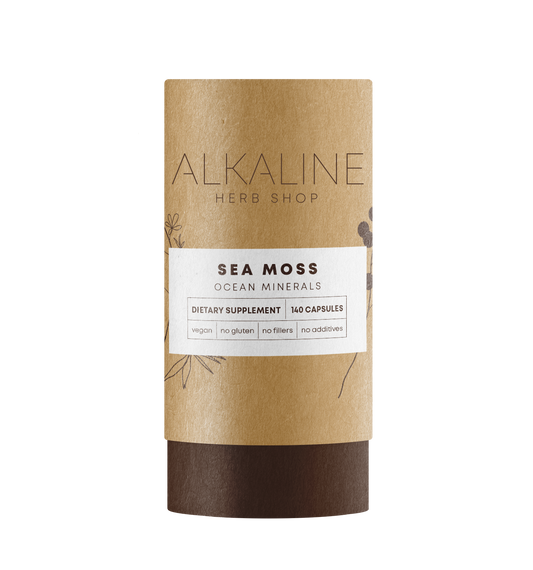
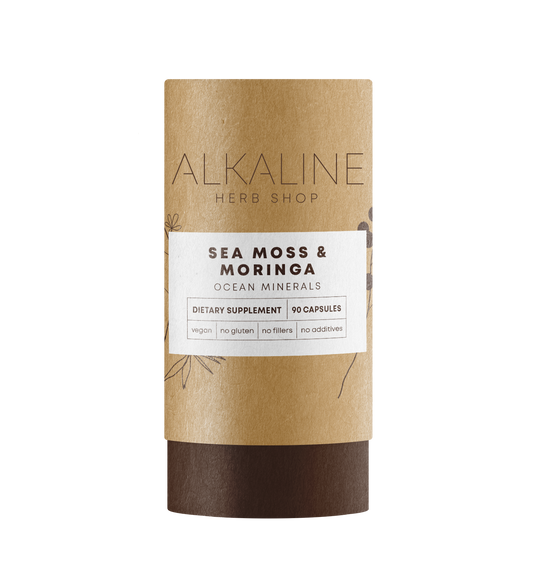
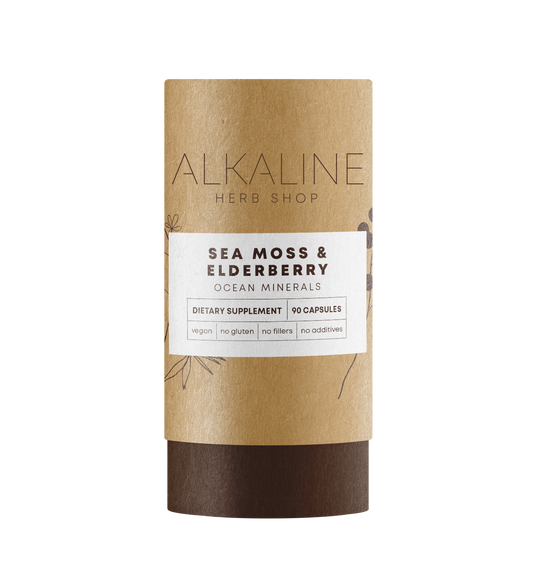
Our Sea Moss Capsules carry a Supplement Facts panel, so these are the amounts in a 4 capsule serving:
Iodine, 364 mcg, 243% of the Daily Value. Iodine supports normal thyroid function and healthy skin.*
Iron, 4 mg, 24% of the Daily Value. Iron supports normal red blood cell formation and helps reduce tiredness and fatigue.*
Spirulina is a blue-green algae belonging to the Arthrospira family. It's a microalga that grows in both fresh and saltwater, often harvested from alkaline lakes in warm climates, particularly in Mexico and Africa.
It is usually sold as a powder or a tablet, and people take it mainly for its protein. We do not sell spirulina, so there is no panel of ours to quote for it, and whatever you buy should carry its own.
Here is what a serving of our capsules carries:
Thyroid and skin: a 4 capsule serving of our capsules carries iodine at 243% of the Daily Value. Iodine supports normal thyroid function and healthy skin.*
Iron: the same serving carries iron at 24% of the Daily Value, which supports normal red blood cell formation and helps reduce tiredness and fatigue.*
Spirulina is taken mainly for its protein. Check the label of whatever you buy for the amount, because we do not sell it and cannot tell you what is in someone else's.
Chlorophyll and Pigments: Spirulina contains chlorophyll and natural plant pigments, which is what gives green blends their color.
Phycocyanin: Spirulina contains phycocyanin, the blue-green pigment that gives it its color.
Sea moss is incredibly versatile. Here are a few popular ways to incorporate it into your diet and wellness routine:
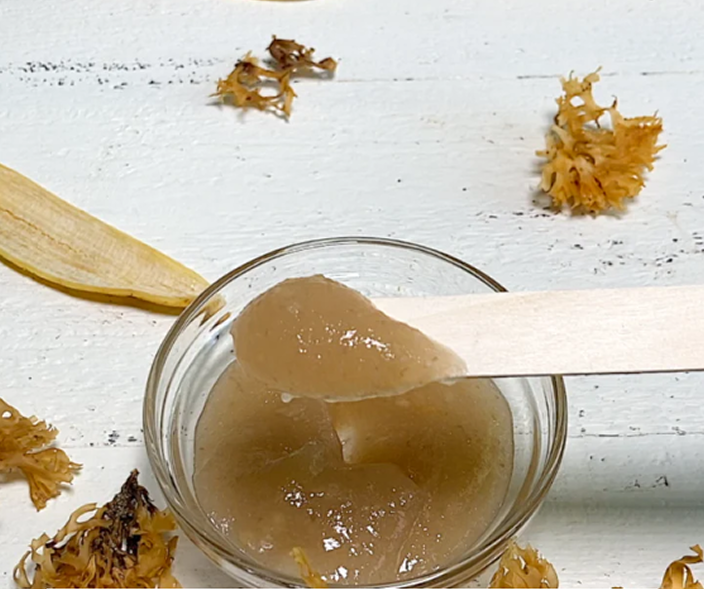
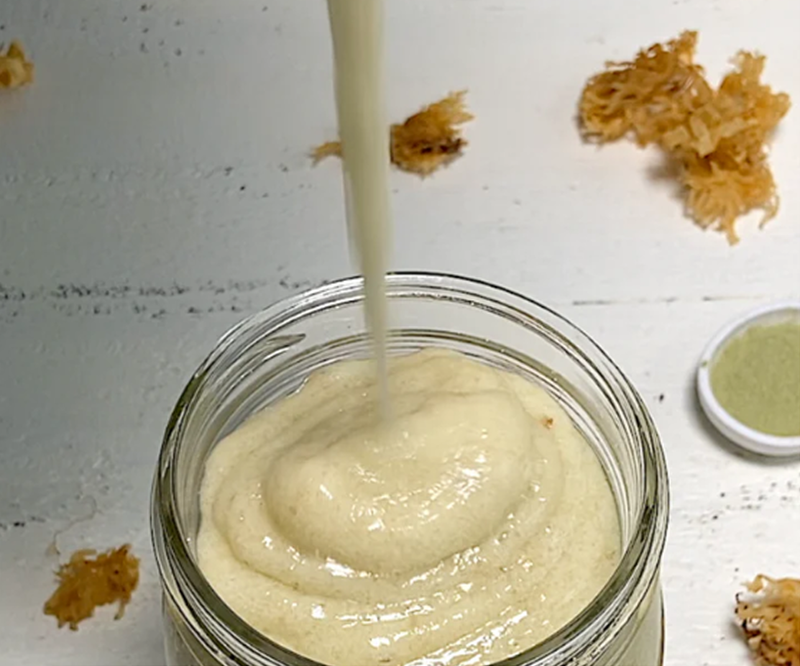
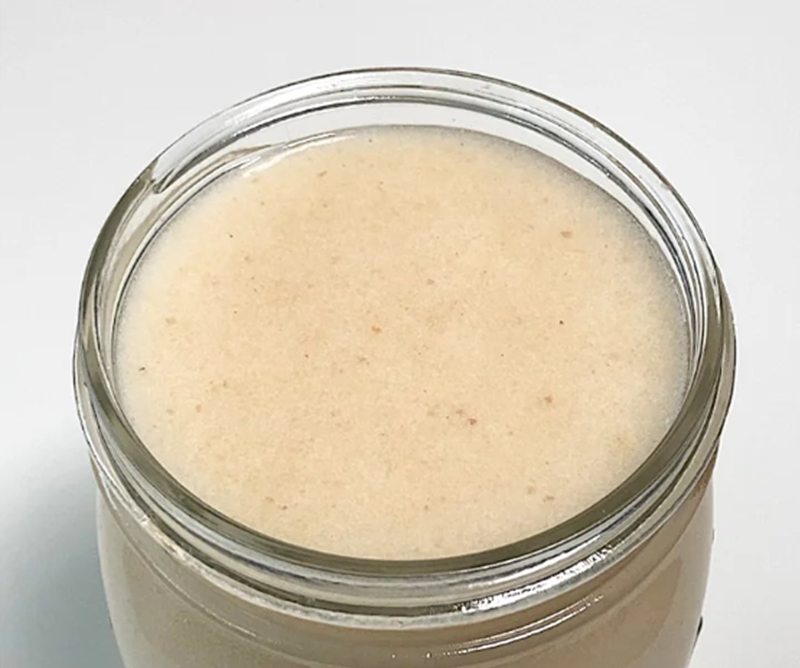
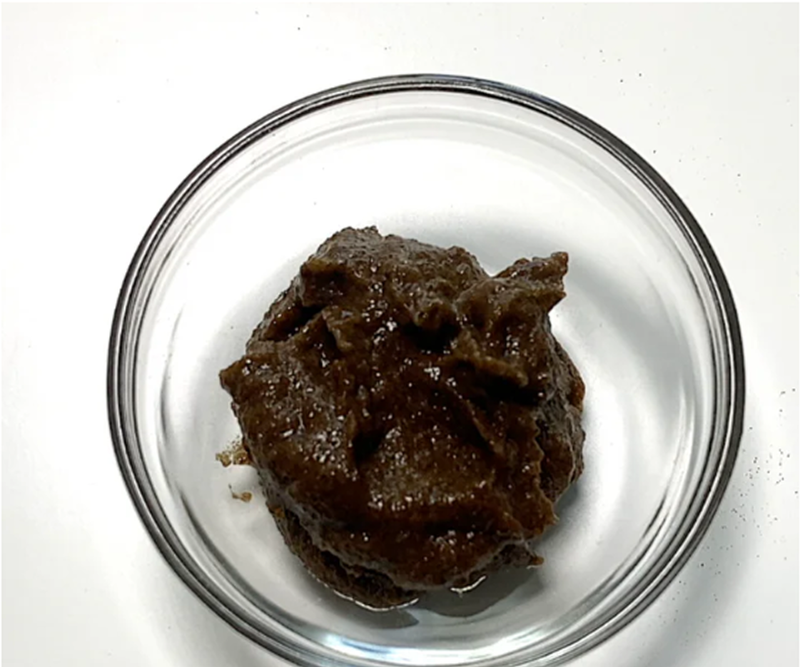
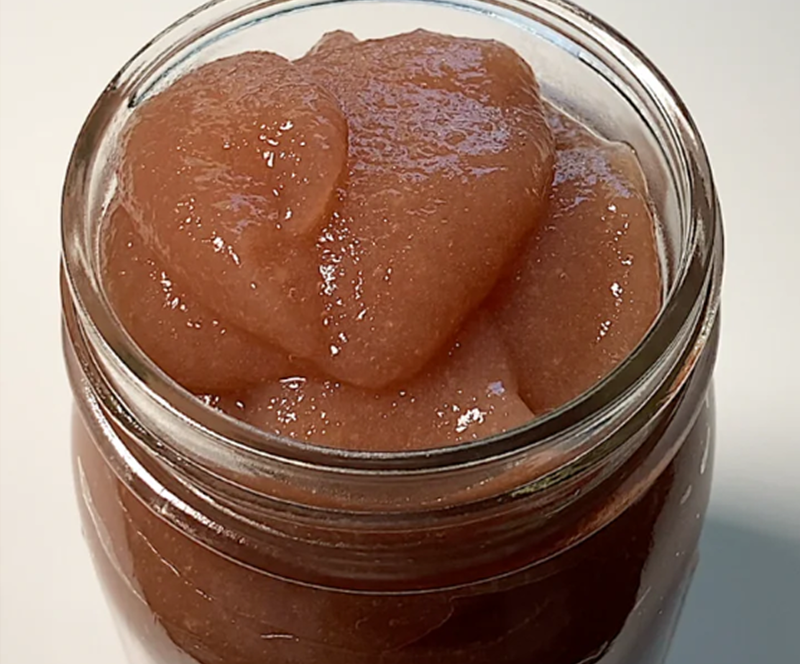
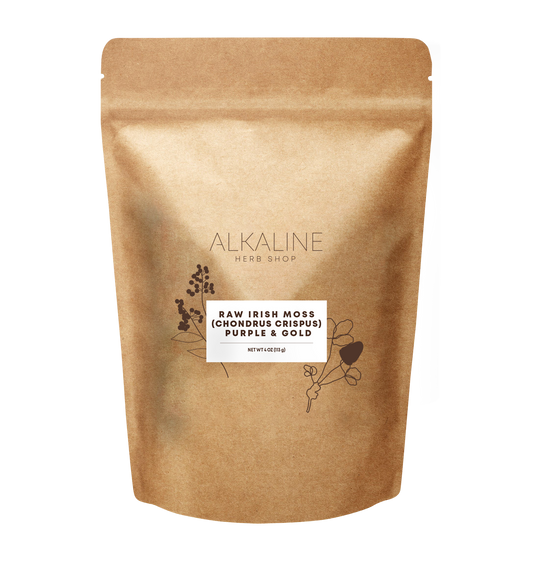
Sea Moss Gel: Blend raw sea moss into gel and use it as a base for smoothies, teas, or apply directly to the skin as a hydrating mask.
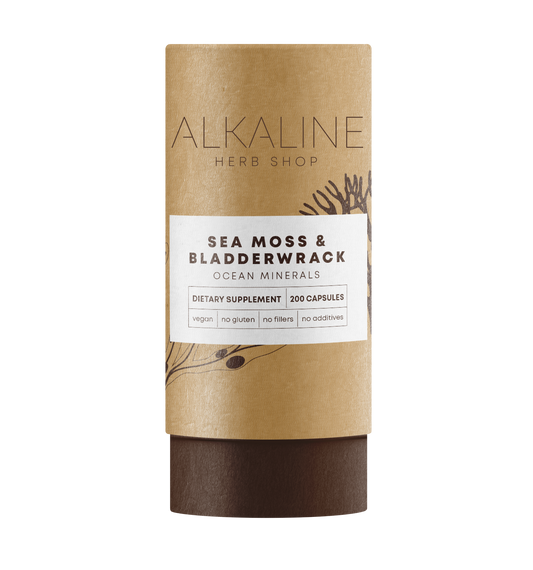
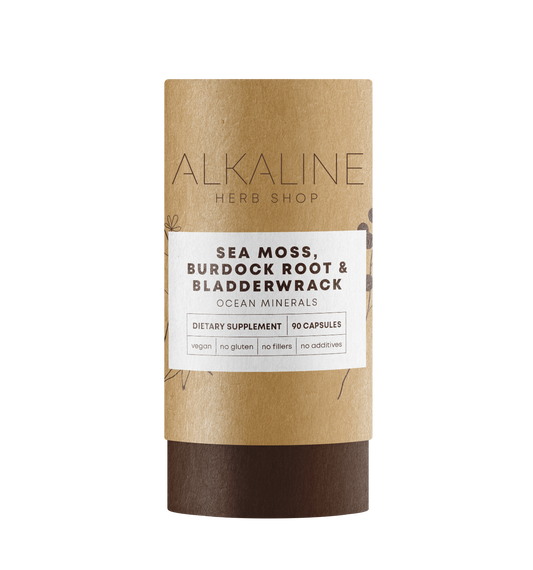
Sea Moss Capsules: An easy and convenient supplement form for daily intake.
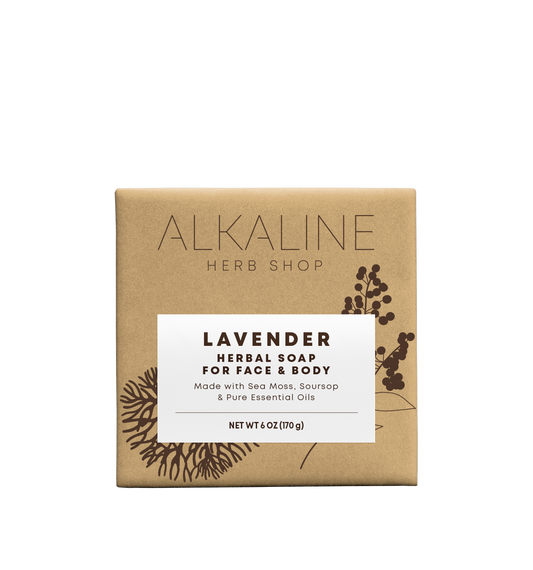
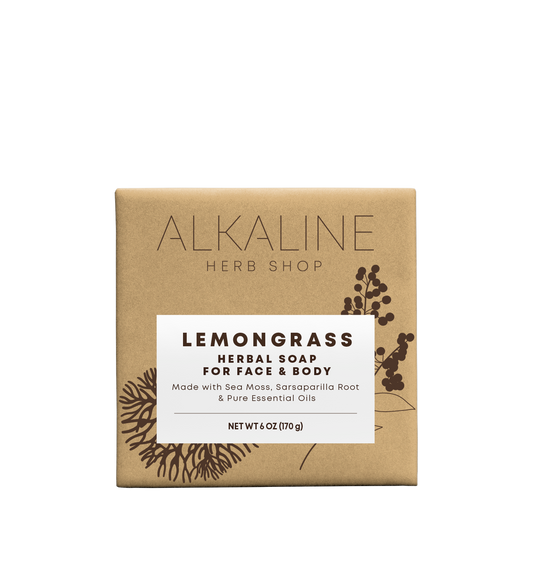
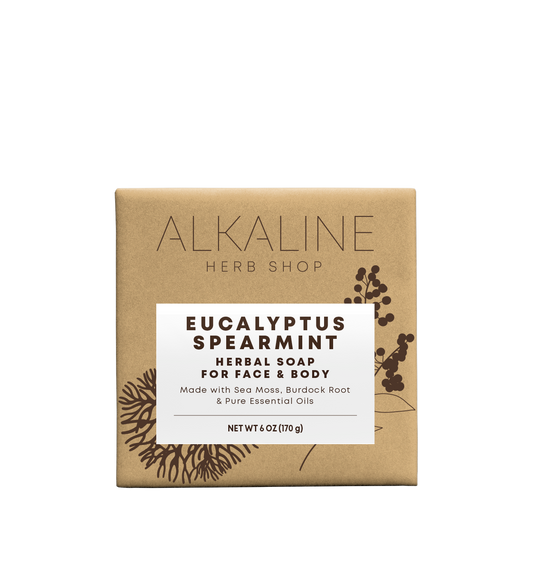
Sea Moss Soap: For its soothing and moisturizing properties for the skin.
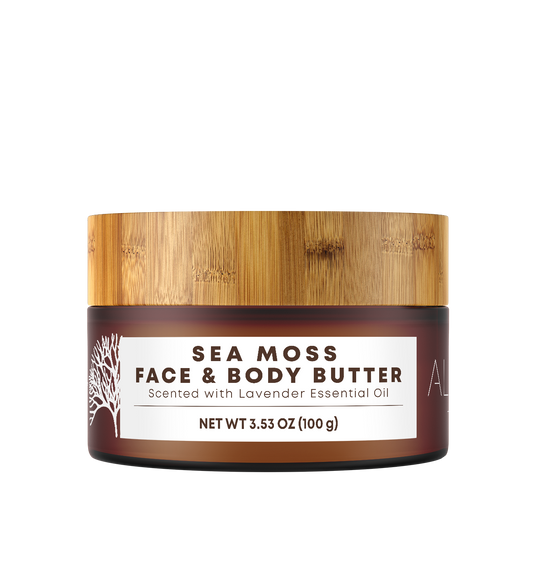
Sea Moss Face & Body Butter: Apply as a moisturizer.
Spirulina is typically available in powder, tablet, or capsule form. Here’s how you can use it:
Spirulina Powder: Add to smoothies, shakes, or energy bars.
Spirulina Capsules: For those who would rather not measure out a powder.
Spirulina in Recipes: Use as a natural colorant for desserts or juices due to its vibrant green color.
While both sea moss and spirulina can be part of a balanced diet, some people may need to exercise caution:
Thyroid Conditions: Individuals with thyroid issues should consult a doctor before consuming sea moss regularly, because sea moss concentrates iodine from seawater and the amount varies with the harvest.
Pregnancy and Nursing: Women who are pregnant or breastfeeding should speak with a healthcare professional before adding either of these to their diet.
Allergies: Anyone with allergies to algae or seafood should avoid these products.
Quality Control: Both can absorb heavy metals from the water they grow in. Always purchase sea moss from reputable sources like Alkaline Herb Shop that test for identity, microbes, and heavy metals.
They are different things and not really substitutes. Spirulina is taken mostly for protein. Sea moss is taken mostly for iodine, and our capsules are the only form here that puts a number on it.
They do different jobs. Sea moss is taken mostly for iodine. Spirulina is taken mostly for protein. If you want the iodine, sea moss is the one, and check that whatever you buy tells you how much.
Yes. They do not overlap much, so taking both is not doubling up on the same thing. Keep an eye on total iodine if you take sea moss daily.
For most people, consuming sea moss daily is safe, but always start with small amounts to see how your body reacts, especially if you have thyroid issues.
Some people may experience mild digestive issues like bloating or gas when first starting spirulina. Make sure to consult with a healthcare professional if you have any concerns.
*These statements have not been evaluated by the Food and Drug Administration. Sea moss is a food and is not intended to diagnose, treat, cure, or prevent any disease. Talk to your healthcare provider before use, especially if you are pregnant, nursing, taking medication, or managing a thyroid condition.


.png?v=14052428765372906161786250558) Previous Post
Previous Post
%20copy.png?v=62173825240595680121786250558)