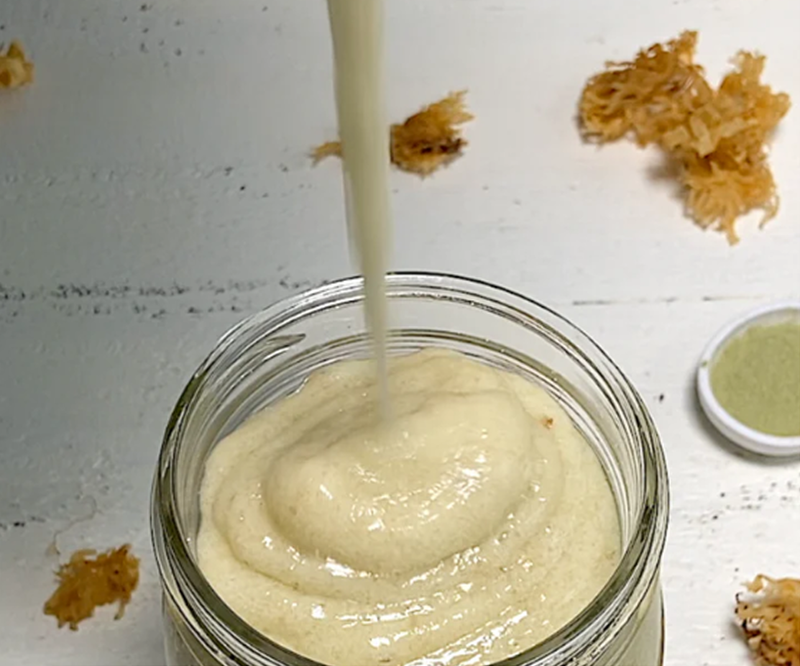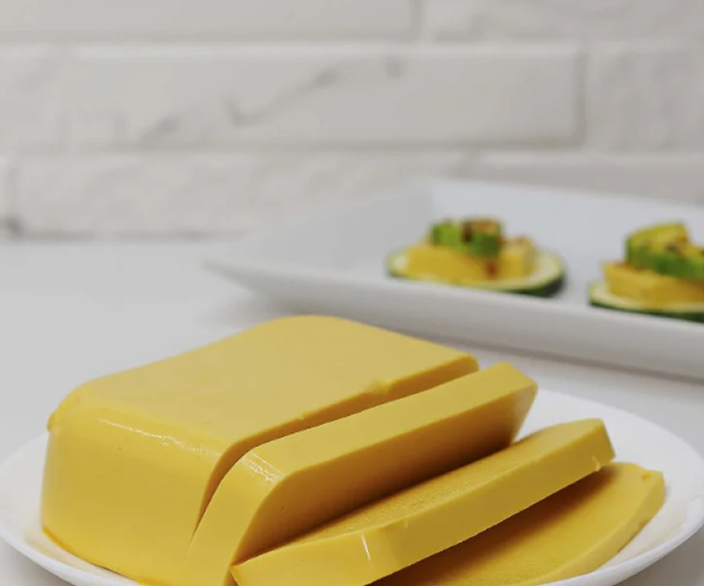
Sea Moss Hub: Everything You Need to Know about Sea Moss (Chondrus Crispus)

Sea moss, also known as Irish moss (or Chondrus crispus), is a type of gold and red algae found in the colder Atlantic Ocean waters, especially along the coasts of Europe and North America. Algae in general are considered to be up to 100 times more nutrient-dense than terrestrial plants and sea moss is no exception. It’s a powerful superfood with unique health benefits.

How Sea Moss Went from Crisis Food to Modern-Day Wellness Superfood

Sea moss has been used for centuries, but it started out as far more than a supplement. During the Irish Potato Famine, Chondrus crispus was often the only source of nutrition available, feeding starving populations when food was rare.

Beyond Ireland, marine algae have long been part of traditional diets in coastal cultures around the world. In Japan, sea vegetables are still commonly consumed as part of everyday meals, reflecting a long-standing cultural appreciation for nutrient-dense ocean foods.

Today, sea moss has re-emerged as a modern wellness essential. Its naturally rich mineral profile, including iodine, magnesium, calcium, iron, and potassium, along with soluble fiber and bioactive compounds, makes it an important addition to smoothies, capsules, and whole-food preparations.*

What was once a humble survival food is now recognized as a nutrient-dense sea vegetable that may support thyroid function, digestive health, immune balance, and overall vitality when consumed as part of a balanced diet.*

We use 100% Chondrus crispus sea moss, the most sought-after sea moss sourced from protected and pristine waters.

See how our herb store compares to the competition.

Logo

Competitors

  • Never sourced from China
    Close
  • Always wildcrafted
    Close
  • 3rd party tested with transparent results
    Close
  • No fillers / additives
    Close
  • Tested for potency pre-purchase
    Close
  • Sourced from protected waters
    Close

We use 100% Chondrus crispus sea moss, the most sought-after sea moss sourced from protected and pristine waters.

See how our herb store compares to the competition.

Logo

Competitors

  • Never sourced from China
    Close
  • Always wildcrafted
    Close
  • 3rd party tested with transparent results
    Close
  • No fillers / additives
    Close
  • Tested for potency pre-purchase
    Close
  • Sourced from protected waters
    Close
Be warned! While the resurgence in popularity of sea moss is something to celebrate, the infiltration into the market of low-quality, warm-water varieties is an unwelcome side-effect of sea moss’s success. These inferior, rope-grown varieties cannot match our genuine Chondrus crispus for nutrient profile.
Feature Chondrus crispus
(Irish Moss)
Chondrus canaliculatus
(Atlantic Sea Moss)
Kappaphycus alvarezii /
Eucheuma denticulatum

(Cottonii / Spinosum)
Gracilaria spp. Gigartina spp.
Iodine High Moderate Low Low High
Iron High Moderate Moderate Moderate Moderate
Magnesium Moderate Moderate Moderate Moderate Moderate
Calcium Moderate Moderate Moderate Moderate Moderate
Carrageenan High Moderate High Low Moderate
Texture Thick, frilled, dense Thinner, semi-frilled Long, stringy, light Thin, smooth Frilly, dense
Habitat Cold North Atlantic Temperate Atlantic Warm Caribbean, Pacific, SE Asia Tropical to warm waters Cold Atlantic waters
Chondrus crispus
(Irish Moss)
Chondrus canaliculatus
(Atlantic Sea Moss)
Kappaphycus alvarezii / Eucheuma denticulatum
(Cottonii / Spinosum)
Gracilaria spp.
Gigartina spp.

Which Type of Sea Moss Do We Use in Our Products?

We use only wildcrafted Chondrus crispus, a type of sea moss that naturally grows in cold North Atlantic waters. This species anchors to ocean rocks and absorbs trace minerals from its marine environment. Chondrus crispus is traditionally valued for its natural growing conditions and is known for its robust nutrient profile.

It is especially valued because it contains more iron than any other sea moss variety and higher iodine levels than most varieties, which contributes to its naturally dense mineral profile and long history of traditional use.

We do not use sea moss that is farmed in warm-water regions such as the Caribbean or sea moss that is sourced from China. These varieties are often cultivated on ropes in shallow waters or pools for mass production and may have inferior mineral characteristics due to their artificial growing environment.

Our supplements are made exclusively with wild-harvested Chondrus crispus sea moss, carefully selected for quality, traceability, and consistency.

Our Sea Moss Is Third-Party Tested

We conduct third-party lab tests for heavy metals, identity, and microbials on all our products to ensure the quality and safety of our sea moss. Testing for trace metals is a critical step, as even small amounts may pose a risk if not properly monitored.

Since trace metals can be found in all foods, including vegetables, we third-party test each batch twice, once upon the raw material arrival, whether it is intended to be sold as raw sea moss or used for encapsulation. For capsules, testing is conducted again by an independent third-party laboratory after encapsulation.

This double-checking process helps verify that our sea moss meets our internal safety and quality standards.

Sea Moss Is Available in Various Forms for Every Need

There are numerous ways to incorporate sea moss into your daily routine, making it easy to enjoy its benefits no matter your lifestyle.

What Health Benefits Do People Experience from Sea Moss?

It’s important to note that sea moss has not been extensively studied in large human clinical trials. Because of this, there is no definitive clinical proof that sea moss itself directly produces specific health outcomes.

However, we do know that sea moss is naturally rich in several essential minerals and vitamins that have been thoroughly studied in human nutrition science. So while we’re waiting for the completion of long-term human trials into sea moss specifically, we can focus on the known benefits of the nutrients and minerals it contains, as confirmed by well-established research.

When consumed as part of a balanced diet, there is evidence that the minerals and vitamins present in sea moss may support several health benefits.

Macro Minerals of Sea Moss and Their Potential Benefits 

These minerals play important roles in essential daily body functions and are present in measurable amounts in Chondrus crispus. Their levels can vary between batches of sea moss, so their contribution to recommended daily amounts can be hard to define with precision. While they contribute to overall nutrient intake, they should be regarded as supportive nutrients rather than primary dietary sources.

  • Iodine
    Sea moss is a natural source of iodine, an essential mineral necessary for thyroid hormone production, which supports normal metabolism and energy regulation.*

  • Potassium
    Sea moss contains potassium, an essential electrolyte that supports normal blood pressure, helps maintain fluid balance, and contributes to nerve function.*

  • Iron
    Sea moss contains iron, which is necessary for the production of hemoglobin, a protein that helps transport oxygen in the blood and supports overall energy and immune function.*

  • Phosphorus
    May help support cellular energy production, bone mineralization, and normal cell repair processes.*

  • Magnesium
    Sea moss contains magnesium, a mineral that plays a role in muscle relaxation, nerve function, energy production, and cardiovascular health.*

  • Sodium
    May help support proper hydration, nerve signaling, and muscle function when consumed as part of a balanced diet.*

  • Calcium
    Sea moss contains calcium, a mineral important for supporting bone and dental health, nerve function, and muscle contraction.*

  • Sulfur
    Plays an important role in protein structure and is essential for the body’s production of glutathione, one of the main antioxidants involved in cellular protection and detoxification processes.*

Macro Vitamins of Sea Moss and Their Potential Benefits

Chondrus crispus contains several vitamins, but not all vitamins are present in the same amounts.

  • Niacin (Vitamin B3): May help support normal energy metabolism and nervous system function by assisting in enzymatic reactions.*
  • Vitamin B6: May help support protein metabolism, neurotransmitter production, and normal brain function.*
  • Folate (Vitamin B9): May help support normal DNA synthesis, red blood cell formation, and cellular growth.*
*These statements have not been evaluated by the Food and Drug Administration. This product is not intended to diagnose, treat, cure, or prevent any disease.

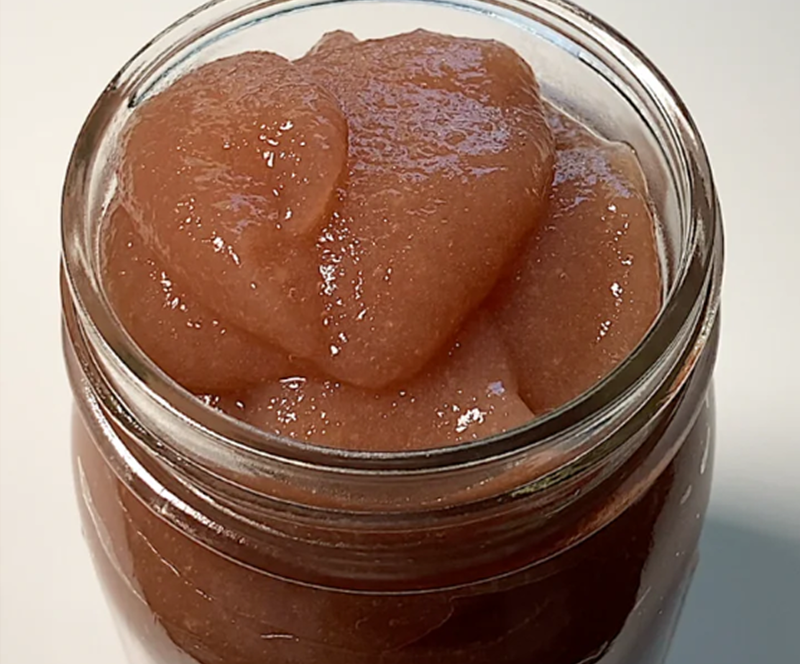
How to Incorporate Sea Moss Into Your Food, Drinks, And Beauty Products

Explore our recipes to learn how to prepare sea moss gel, gummies, masks, and more.
Safety Considerations for Using Sea Moss

  • Iodine Levels: Sea moss is an excellent source of iodine, which supports thyroid health. However, too much iodine can cause thyroid issues. If you have thyroid conditions or are taking thyroid medications.

  • Long-Term Medication: If you manage a long-term condition or take prescription medication daily, sea moss could interfere with nutrient balance or treatment plans. Getting personalized medical guidance is the safest approach.

  • Heavy Metals: Sea moss can absorb heavy metals from the water where it grows. Always purchase sea moss from reputable sources like Alkaline Herb Shop that third-party test for identity, microbes, and heavy metals.

  • Using Blood Thinners: Sea moss may influence blood clotting in some cases. If you take anticoagulant or antiplatelet medications (such as warfarin or high-dose aspirin), speak with your doctor first to avoid unwanted interactions.

  • Allergic Reactions: Some people may be allergic to sea moss. If you notice symptoms like itching, swelling, or difficulty breathing after consuming sea moss, seek medical help immediately.

  • Pregnant or Breastfeeding: Research is limited on sea moss during pregnancy and breastfeeding. Because iodine intake matters during this time, it’s safer to avoid sea moss unless a healthcare provider says it’s okay.

Frequently Asked Questions

What is Chondrus crispus (Irish Sea Moss)?

Chondrus crispus, commonly known as Irish sea moss, is a type of red algae found along the rocky coasts of the North Atlantic, particularly Ireland, the UK, and parts of Canada. It has been used for centuries as a nutritious food and natural remedy, especially during times of famine, because it’s rich in minerals, vitamins, and polysaccharides like carrageenan, which can act as a thickening agent in foods. 

Is Irish sea moss the same as Caribbean sea moss?

Not exactly. While “sea moss” is a general term for edible red algae, the Caribbean version is usually different species, like Gracilaria.

Irish sea moss (Chondrus crispus)

  • Frilled, flat, and “leaf-like” branches
  • Thick, rubbery texture
  • Darker colors: purple, deep red, or golden
  • Typically comes with small traces of ocean matter (salt, shells)

Caribbean sea moss (Gracilaria spp.)

  • Long, thin, string-like branches
  • More uniform, often indicating farming
  • Lighter colors: gold, yellow, light green
  • Usually very clean, with fewer natural imperfections

Is Chondrus crispus wildcrafted or farmed?

Chondrus crispus (Irish sea moss) is primarily wildcrafted, not farmed and it’s important to know the difference between these two before incorporating it into your routine:

Wildcrafted

  • Mostly refers to Chondrus crispus and sometimes Chondrus canaliculatus
  • Grows naturally on rocky coastlines
  • Exposed to mineral-rich waves and strong currents
  • Denser nutrients and a thicker texture
  • More irregular in shape

Farmed

  • Dominant method for Caribbean sea moss (Gracilaria, Kappaphycus, Eucheuma)
  • Grown on ropes in shallow tropical waters
  • Faster growth cycle
  • Cleaner, more uniform appearance
  • Contains fewer nutrients

What are the potential benefits of sea moss?

Sea moss, particularly Chondrus crispus, is a mineral-rich sea vegetable that may support overall wellness when included as part of a balanced diet.*

Because it naturally contains iodine, sea moss may help support healthy thyroid function, which plays a key role in metabolism and energy regulation.*

Its mineral content includes several essential macrominerals, such as calcium, magnesium, potassium, sodium, phosphorus, sulfur, and iron, which may contribute to many important physiological processes.* These minerals play essential roles in supporting thyroid function, oxygen transport and energy production, maintaining bone strength, supporting normal muscle and nerve function.* 

In addition, sea moss contains soluble fiber and naturally occurring compounds that may support digestive health and help maintain a healthy immune response.*

Does sea moss help with bloating or constipation?

Sea moss is high in fiber (both soluble and insoluble), which may support healthy digestion and relieve constipation by improving regularity and gut balance.*

Can sea moss help you lose weight?

Indirectly, yes since the fiber in sea moss may help you feel full longer, which may reduce overeating.* Sea moss is low in calories, so it can be added to meals or smoothies without significantly increasing your calorie intake.*Important: Sea moss alone won’t magically burn fat, it works best as part of a balanced diet and active lifestyle.

Is sea moss good for hair growth?

Sea moss can support healthy hair because it provides minerals like zinc, iron, along with vitamin C and amino acids.* These nutrients may help strengthen hair, nourish follicles, and support growth.* While it can improve hair health, it won’t regrow hair loss caused by medical conditions or hormonal imbalances.

Can sea moss improve skin elasticity?

Sea moss may help improve skin elasticity due to its collagen-boosting nutrients, including amino acids, zinc, and vitamin C.* Applied directly to the skin, its gel form creates a natural skin barrier which may also help retain moisture, leaving skin feeling plumper and smoother.*

Can sea moss mess up hormones?

Sea moss itself does not directly disrupt hormones in healthy people. However, because it is very high in iodine, excessive consumption could affect thyroid hormones, which play a central role in overall hormonal balance.

Is sea moss safe if you have thyroid problems?

Iodine is crucial for thyroid health, but too much or too little can cause issues․ 

  • Hypothyroidism (underactive thyroid): Sea moss can help provide iodine, but too much may worsen thyroid imbalance. 
  • Hyperthyroidism (overactive thyroid): Extra iodine can exacerbate the condition, so caution is needed.

Recommendation:

  • Talk to your doctor before taking sea moss if you have thyroid issues.
  • Stick to moderate doses and monitor thyroid function regularly.

Are there side effects of sea moss?

Possible side effects usually come from overconsumption:

  • Too much iodine → thyroid imbalance
  • Digestive issues → bloating, gas, or diarrhea (especially if fiber intake suddenly increases)
  • Allergic reactions → rare, but possible in sensitive individuals

Does sea moss contain heavy metals?

Sea moss can absorb heavy metals from the water where it grows. Always purchase sea moss from reputable sources like Alkaline Herb Shop that third-party test for identity, microbes, and heavy metals.

Who should NOT take sea moss?

  • People with thyroid disorders (especially hyperthyroidism) unless advised by a doctor
  • Individuals allergic to seaweed or iodine
  • Those on blood thinners or certain medications, check with your doctor, as sea moss may interact with medications
  • Children or pregnant/breastfeeding women should consult a healthcare provider before regular consumption

When is the best time to take sea moss?

Because sea moss has an energizing effect, the best time to take sea moss is in the morning. For the same reason, it’s best to avoid taking it too close to bedtime as it can make falling asleep more difficult.

Can I take sea moss every day?

Yes, you can take sea moss daily, but always follow the dosage guidelines.

How long does it take to see results from sea moss supplements?

Individual responses may vary. Some people report experiencing general wellness support, such as improved energy or digestion, after consistent use over several weeks.* But for bodily changes with a more protracted cycle, such as skin health and hair growth, the results may take longer to appear. Factors like diet, lifestyle, and overall health also impact the speed of the body’s response.*

How much sea moss should I take daily?

Below are common dosage suggestions for sea moss gel and sea moss capsules:

  • Sea Moss Gel: A standard serving is 1–2 tablespoons of sea moss gel made with raw sea moss per day. This amount is easy to add to smoothies or foods.
  • Sea Moss Capsules: Sea moss supplements in capsule form can be taken just once a day in the morning, with dosage ranging from 500-2400mg daily. It depends on the formula and strength of each dose. For the safest and most accurate sea moss dosage, always use the serving instructions on your product’s packaging.

How long does it take for sea moss to start working in your body?

Sea moss starts being absorbed by your body within a few hours of consumption. However, you may begin to notice some short-term effects, like improved digestion and increased energy, within 1–7 days. More significant benefits, such as weight management and heart health, typically take 2–3 months of consistent use.

Does sea moss really contain 92 minerals?

At this time, there is no scientific evidence that can confirm or deny the claim that sea moss contains 92 minerals and vitamins. While research and food databases clearly show that Chondrus crispus contains several identified minerals, it has not been comprehensively tested for every possible mineral or vitamin. Because of this, it is not scientifically accurate to state that sea moss either does or does not contain 92 minerals.

Sea moss can still be a beneficial addition to your diet, but it should be consumed as part of a balanced diet.

Does sea moss contain B12?

Sea moss does not contain vitamin B12 as it is primarily found in animal-based foods.

Does sea moss contain vitamin D?

Sea moss does not contain vitamin D in any significant amount. It is important to obtain this vitamin from other sources like sunlight, foods, or supplements.

Does sea moss contain collagen?

Sea moss does not contain collagen itself, because collagen is an animal-derived protein found in connective tissues like skin, bones, and cartilage. However, sea moss is often called a “collagen-supporting” or “collagen-boosting” food because it provides several nutrients your body needs to produce collagen naturally.

Where can I purchase quality sea moss products?

If you’re looking for high‑quality and safe sea moss, it’s important to choose wild‑crafted sea moss that is third-party tested as sea moss can contain heavy metals especially if sourced from polluted waters. Alkaline Herb Shop offers a range of sea moss products made from Chondrus crispus (Irish sea moss) that are free from fillers, additives, artificial ingredients, are third-party tested, and made in the USA.

Where is your sea moss sourced from?

The sea moss we use is wildcrafted Chondrus crispus, a red algae species that naturally grows in cold Atlantic waters. This variety is traditionally valued for its natural growing conditions and mineral content.* Unlike farmed sea moss grown in pools or on ropes in shallow waters, Chondrus crispus anchors to ocean rocks, which may influence its mineral composition. We choose this variety for its traditional use and natural sourcing. Overall, our sea moss comes from both North Atlantic waters in Canada and Maine, Ireland, and cold Pacific Ocean sources in Peru.*

Are your sea moss products lab-tested?

Yes, our sea moss products are third-party tested for heavy metals, identity, and microbial contaminants. These tests help verify the quality and safety of our sea moss.

Are your sea moss products vegan and free from additives?

Yes, our sea moss products are 100% vegan and do not contain fillers, additives, or artificial ingredients.

Why do some of your sea moss capsules contain more iodine than the FDA’s recommended daily intake?

Iodine is an essential mineral required for the production of thyroid hormones, which regulate metabolism, energy production, and overall hormonal balance. The FDA’s recommended daily value (DV) for iodine is 150 mcg per day for adults.

Our sea moss formulas naturally contain iodine because they are made from mineral-rich sea vegetables.

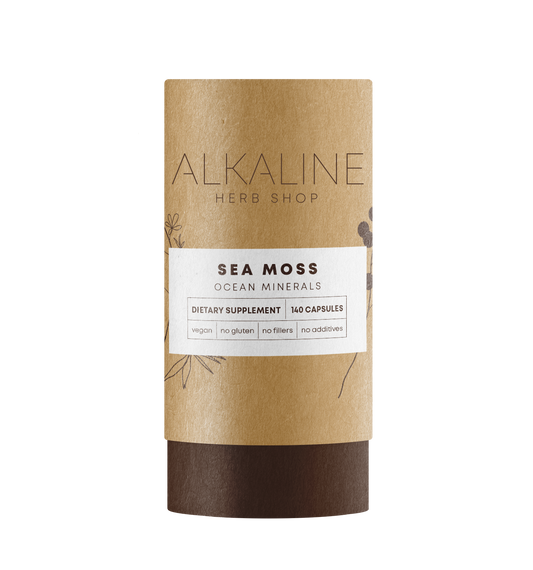
  • Sea Moss Capsules provide approximately 473 mcg of iodine per serving.
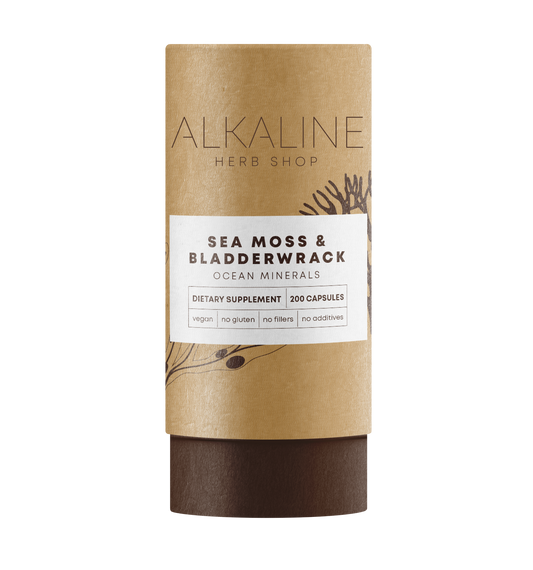
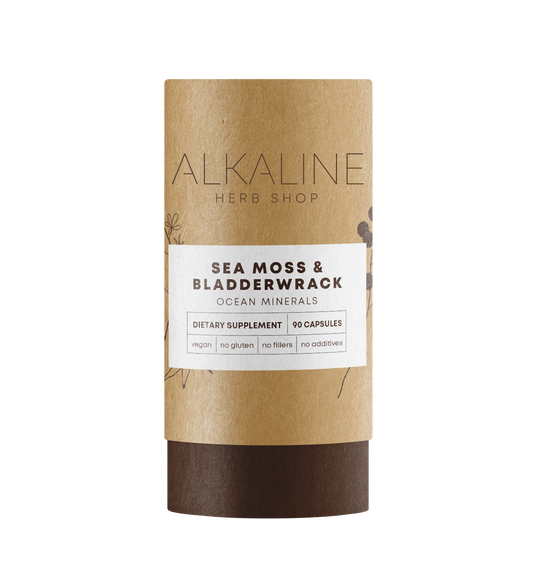
  • Sea Moss & Bladderwrack Capsules provide approximately 561 mcg of iodine per serving due to the naturally high iodine concentration found in bladderwrack, which is actually higher than the concentration of iodine present in sea moss. 

For context, the FDA’s established Tolerable Upper Intake Level (UL) for iodine in adults is 1,100 mcg per day, meaning intakes below this level are generally considered safe for healthy individuals.

It’s also helpful to understand that iodine intake varies significantly across populations. In countries like Japan, where seaweed consumption is common, average daily iodine intake is often substantially higher than 150 mcg, approximately 1,000 – 3,000 mcg of iodine per day. In fact, Japan is ranked as the 4th healthiest country in the world and is well known for its longevity.

Because iodine needs can vary based on individual thyroid health, diet, and medical history, we recommend that individuals, especially those with thyroid conditions, consult a healthcare professional before supplementing with iodine-containing products.

*These statements have not been evaluated by the Food and Drug Administration. This product is not intended to diagnose, treat, cure, or prevent any disease.