Irish Moss vs Sea Moss: What’s the Real Difference
Published on


By Suhail Rivera, JD, founder of Alkaline Herb Shop
Sea moss has quickly become one of the most talked-about natural supplements in wellness communities. But as its popularity grows, so does the confusion around the terms “Irish moss” and “sea moss”. In reality, “sea moss” is an umbrella term used to describe several different species of an algae, and Irish moss is just one of those species. So, while all Irish moss is sea moss, not all sea moss is Irish moss. New to sea moss? Start with our complete what is sea moss guide.
True Irish moss refers to Chondrus crispus, a gold and red algae native to the cold waters of the North Atlantic. Most sea moss on the market, however, comes from tropical regions such as Jamaica, St. Lucia, and Southeast Asia, are completely different species with different characteristics. Understanding these distinctions helps consumers choose the right type for their texture preferences and nutritional needs.
Many consumers assume “sea moss” automatically means Irish moss, but this is not accurate. True Irish moss, Chondrus crispus, is native to the cold, rocky coastlines of Ireland, Scotland, Iceland, Atlantic Canada, and the Northeastern United States. Its environment is harsh, and it grows in cool waters between 60 to 70°F (15 to 20°C). These challenging conditions contribute to its naturally thick structure. Published analyses list the minerals found in it, chiefly iodine.
By contrast, the sea moss most commonly sold today, especially products labeled “Jamaican Irish moss” usually refers to Caribbean tropical species, primarily Gracilaria, Eucheuma cottonii (also called Kappaphycus alvarezii), and Eucheuma denticulatum. These warm-water seaweeds grow in gentler, shallow coastal regions and are often farmed on ropes, making them easier and faster to produce.
While tropical sea moss is absolutely edible and widely used, it is not the same species as true Irish moss. The difference in water temperature, geography, and natural growth conditions leads to noticeable variations in texture and mineral density.
 True Irish Moss (Chondrus species)
Frilled, flat, and “leaf-like” branches
Thick, rubbery texture
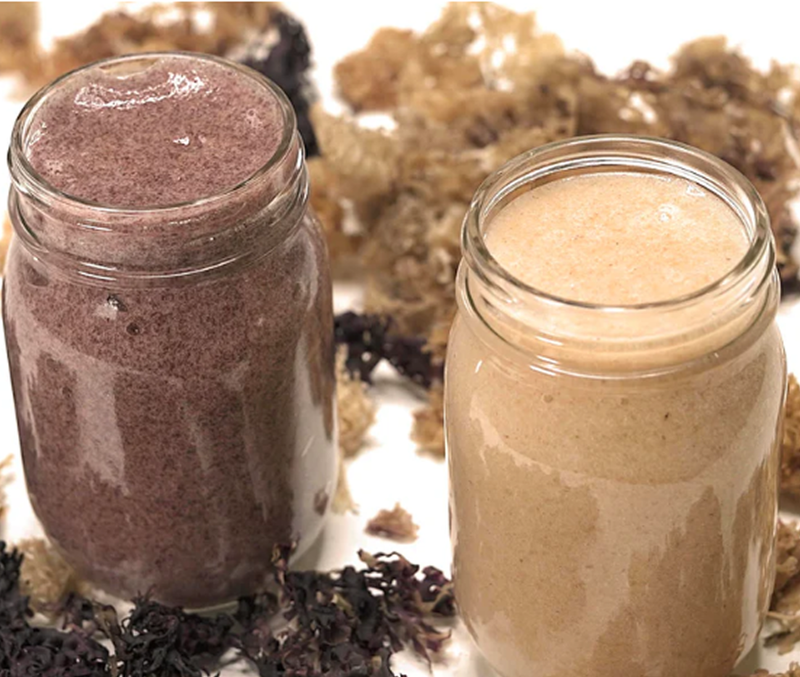
Darker colors: purple, deep red, or golden
Typically comes with small traces of ocean matter (salt, shells)
Long, thin, string-like branches
More uniform, often indicating farming
Lighter colors: gold, yellow, light green
Usually very clean, with fewer natural imperfections
Dr. Sebi, a well-known herbalist and proponent of natural alkaline diets, placed major emphasis on non-hybrid, wildcrafted plant foods. He believed that foods grown in their natural environments, without human interference, retained their electrical and mineral integrity.
According to Dr. Sebi:
Chondrus crispus was the true, natural Irish moss.
Warm-water tropical sea mosses were “hybridized” due to farming practices, rapid growth, and non-native distribution.
He encouraged the use of wildcrafted Chondrus crispus because it grew in harsh, mineral-rich North Atlantic waters, which aligned with his principles of alkalinity and natural cell nourishment.
Although Dr. Sebi’s teachings are NOT considered scientific doctrine, they remain influential in health communities and strongly shape consumer demand for authentic Chondrus crispus.
The growing environment greatly affects the quality and mineral profile.
Mostly refers to Chondrus crispus and sometimes Chondrus canaliculatus
Grows naturally on rocky coastlines
Exposed to mineral-rich waves and harsh currents
Denser nutrients and a thicker texture
More irregular in shape
Dominant method for Caribbean sea moss (Gracilaria, Kappaphycus, Eucheuma)
Grown on ropes in shallow tropical waters
Faster growth cycle
Cleaner, more uniform appearance
Contains fewer nutrients
Irish moss contains natural carrageenan, but it is not the same as isolated carrageenan extract.
Irish moss = whole seaweed (minerals, fibers, vitamins)
Carrageenan = extracted from seaweed through industrial processing, which often involves boiling, filtering, and chemical treatments to isolate the polysaccharide.
So while carrageenan comes from sea moss, the two are not interchangeable.
Picking the right sea moss is essential to avoid potential health issues and to make sure you get a genuine one.
Wildcrafted Chondrus crispus is frilled, thick, and imperfect.
Farmed tropical moss is long, smooth, and uniform.
Seaweeds in general can accumulate arsenic, cadmium, lead, and mercury; EFSA highlights seaweed’s contribution to iodine excess and heavy-metal exposure, so source and testing matter. At Alkaline Herb Shop, all sea moss products are tested by a third-party lab for heavy metals, identity, and microbes.
Sea moss comes in many forms, and choosing the right one depends on your lifestyle, wellness goals, and how you prefer to consume it. Below is a quick overview of the different product types you might want to include in your routine:
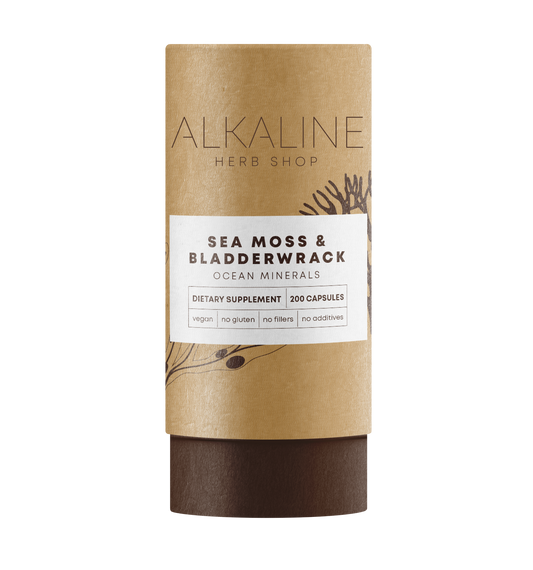
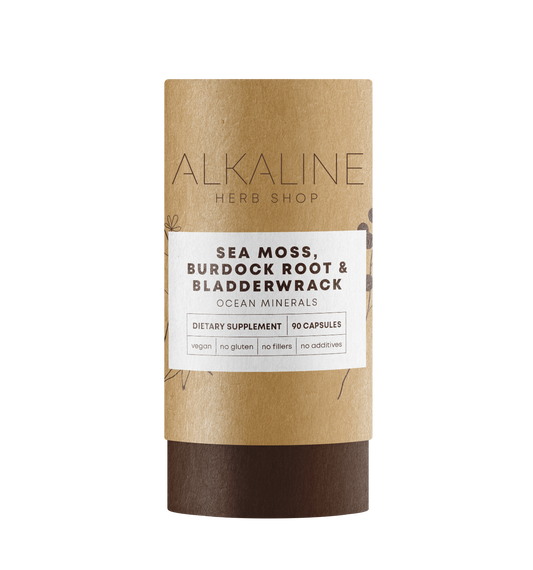
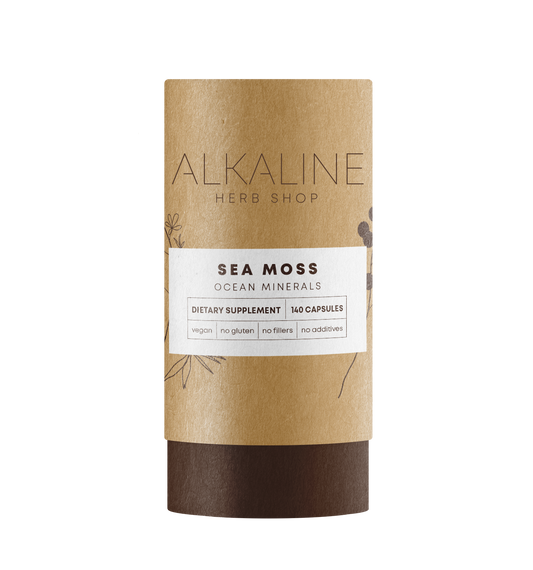
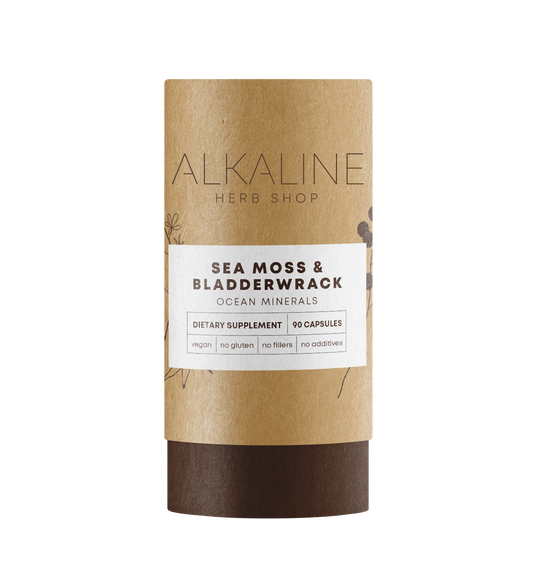
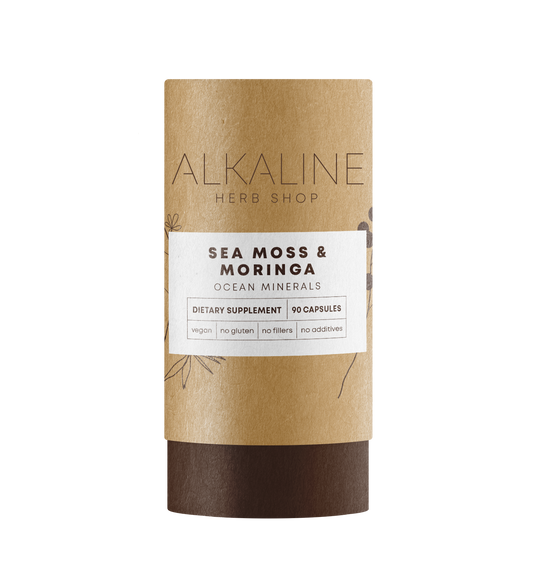
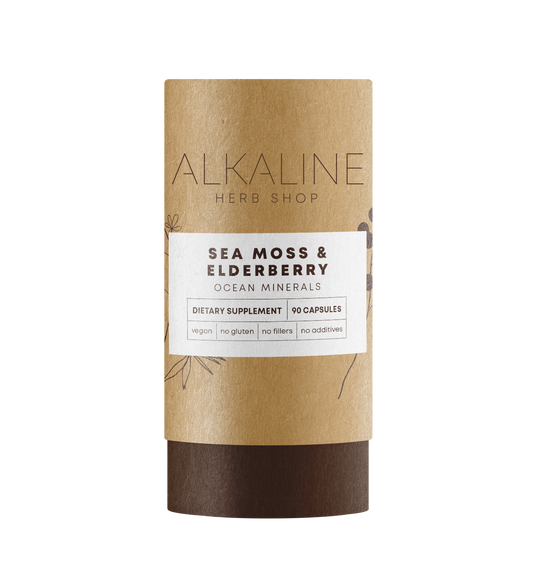
Sea Moss Capsules: Convenient, pre-measured, travel-friendly capsules made from wild-harvested sea moss for effortless daily mineral support.
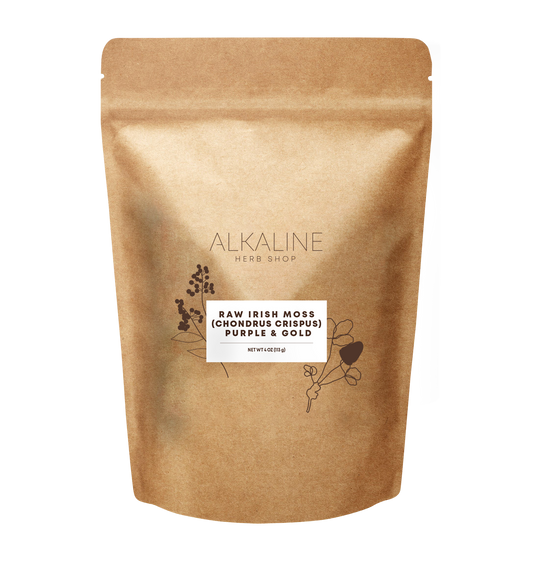
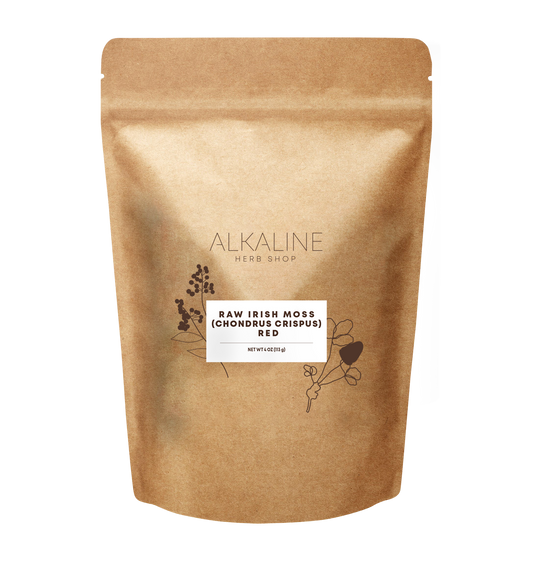
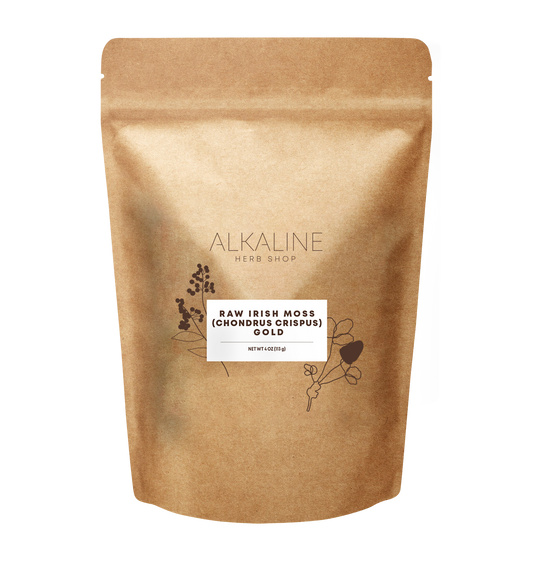
Raw Sea Moss: Pure, sun-dried whole sea moss with no additives, ideal for making homemade sea moss gel for use in teas, smoothies, and more.
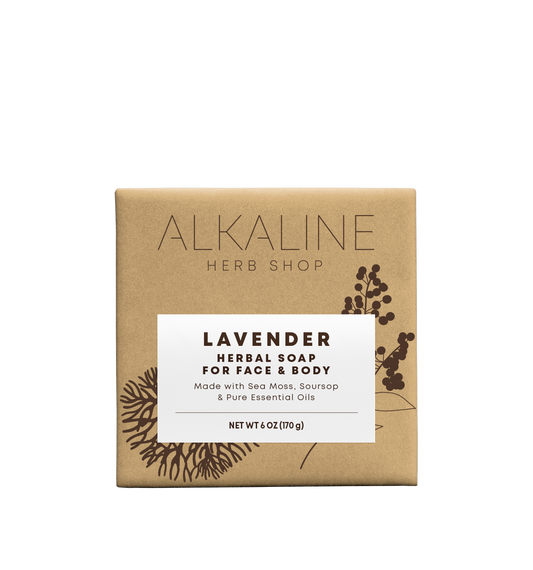
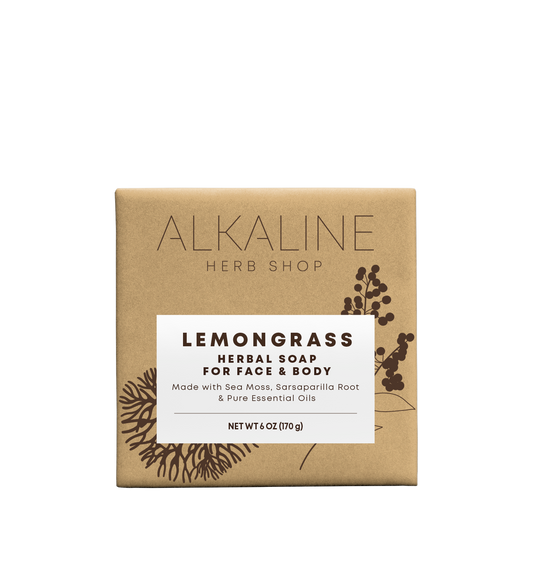
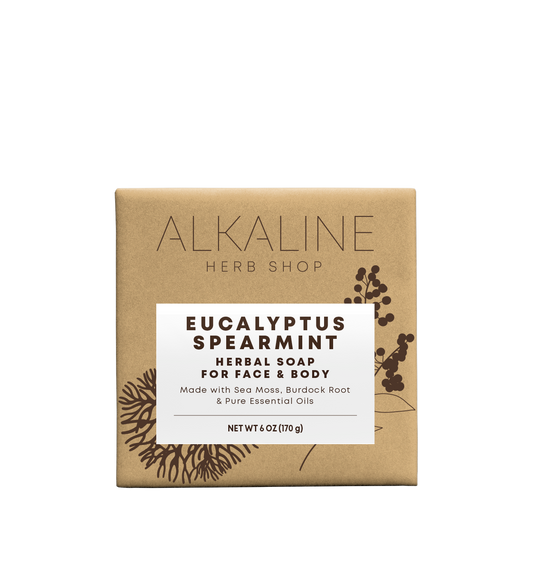
Sea Moss Soaps: Gentle cleansing bars infused with sea moss to nourish, soothe, and hydrate the skin while supporting a healthy moisture barrier.
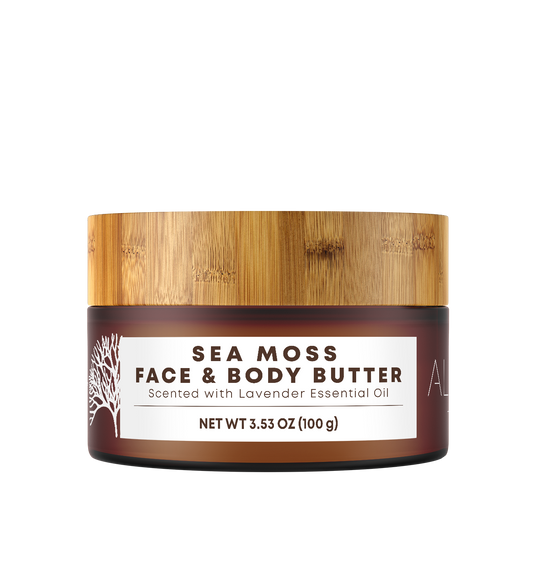
Sea Moss Face & Body Butter: Mineral-rich butter formulated with sea moss to hydrate and soften the skin naturally.
Our Sea Moss Capsules carry a Supplement Facts panel, so these are the amounts in a 4 capsule serving:
Iodine, 364 mcg, 243% of the Daily Value. Iodine supports normal thyroid function and healthy skin.*
Iron, 4 mg, 24% of the Daily Value. Iron supports normal red blood cell formation and helps reduce tiredness and fatigue.*
Sea moss is a nutrient-dense marine plant, but it’s not suitable for everyone. Because it naturally contains iodine and bioactive compounds, certain people should avoid sea moss or speak with a healthcare professional before use.
Sea moss concentrates iodine from seawater and the amount varies with the harvest, which can overstimulate the thyroid in people with hyperthyroidism or other thyroid conditions. Excess iodine may worsen symptoms or interfere with treatment.
If you are taking medications such as levothyroxine or other thyroid-regulating drugs, sea moss may affect how your medication works due to its iodine content. Always consult your healthcare provider before adding it to your routine.
Sea moss may have mild blood-thinning properties. If you are taking anticoagulant or antiplatelet medications (such as warfarin or aspirin in high doses), consult your doctor to avoid potential interactions.
There is limited research on sea moss consumption during pregnancy and breastfeeding. Because of its iodine content and bioactive compounds, it’s best to avoid use unless approved by a healthcare professional.
Although sea moss is not shellfish, it comes from marine environments and may cause reactions in people sensitive to iodine or sea-derived products.
If you have a chronic condition or take daily prescription medication, sea moss may interact with nutrient absorption or treatment plans. Medical guidance is recommended before use.
Irish moss and sea moss may often be confused, but understanding the differences between species, especially the distinction between Chondrus crispus and tropical Gracilaria varieties, allows consumers to make smarter, more informed choices. Selecting naturally harvested, unaltered products is key to receiving the full nutritional value sea moss is known for. With accurate information, you can confidently choose the specific sea moss varieties that best fit your needs and lifestyle.
*These statements have not been evaluated by the Food and Drug Administration. Sea moss is a food and is not intended to diagnose, treat, cure, or prevent any disease. Talk to your healthcare provider before use, especially if you are pregnant, nursing, taking medication, or managing a thyroid condition.


.png?v=14052428765372906161786250558) Previous Post
Previous Post
%20copy.png?v=62173825240595680121786250558)