Purple Sea Moss vs Gold Sea Moss: What’s the Difference?
Published on


By Suhail Rivera, JD, founder of Alkaline Herb Shop
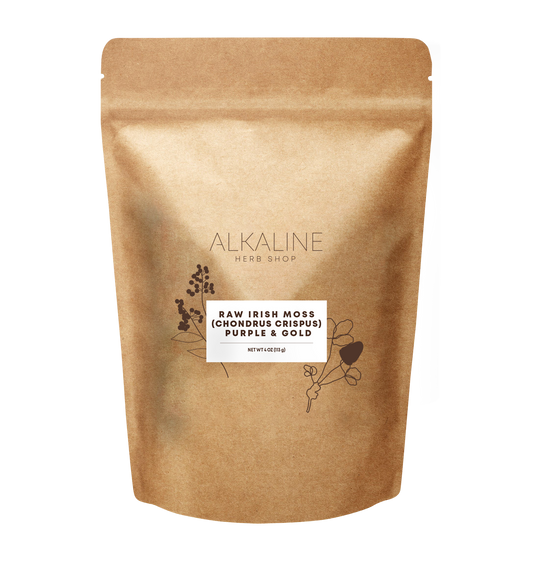
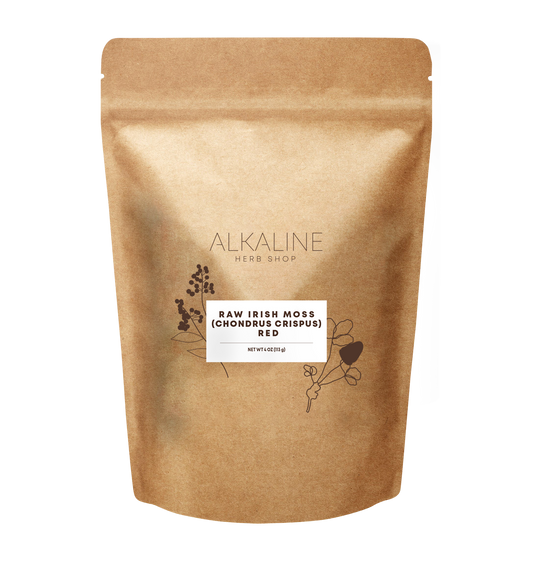
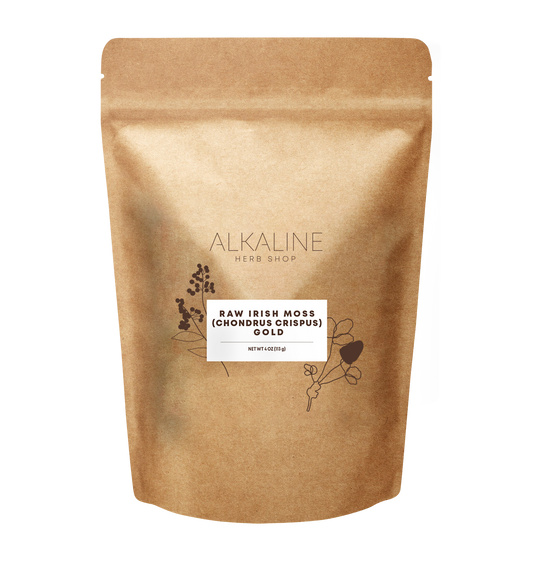
Sea moss, also known as Irish moss, is a type of algae scientifically called Chondrus crispus. It grows along the rocky Atlantic coasts of North America and Europe. Historically it has been used for centuries by cultures around the world as a food and a thickener. It comes in purple and gold colors, but you may wonder: is there really any difference between them? In this article, we’ll explore the subtle distinctions between purple sea moss and gold sea moss. New to sea moss? Start with our complete what is sea moss guide.
In terms of mineral content, published analyses show the same range of minerals in both, chiefly iodine, with smaller amounts of iron, zinc, calcium, magnesium and potassium. There is no significant difference between the two when it comes to their core mineral profile.
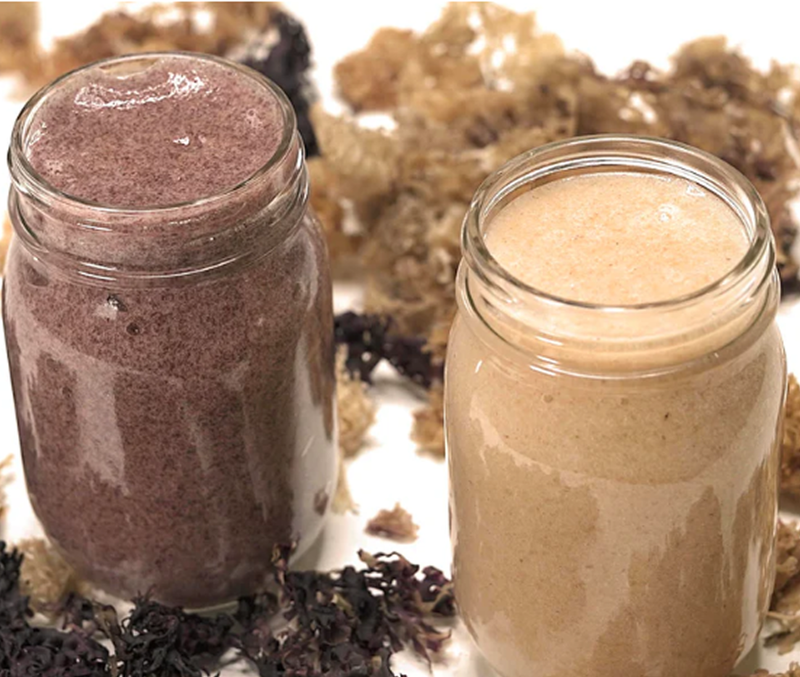
The texture of gold sea moss tends to be a little smoother compared to purple sea moss. This could be due to the drying process, with gold moss often being sun-dried, which can make it feel softer and more flexible. On the other hand, purple sea moss can have a slightly firmer texture due to its shade-drying process. However, this difference is minimal and won’t affect the overall experience when you turn it into gel or use it in smoothies and other recipes.
When it comes to taste, gold sea moss is typically milder and more neutral, making it versatile for adding to a wide range of dishes without overpowering other flavors. Purple sea moss, however, can have a slightly richer, more “oceanic” flavor due to its pigments. While this difference exists, neither type is overwhelming in taste, and both can be used in recipes without significantly altering the flavor profile.
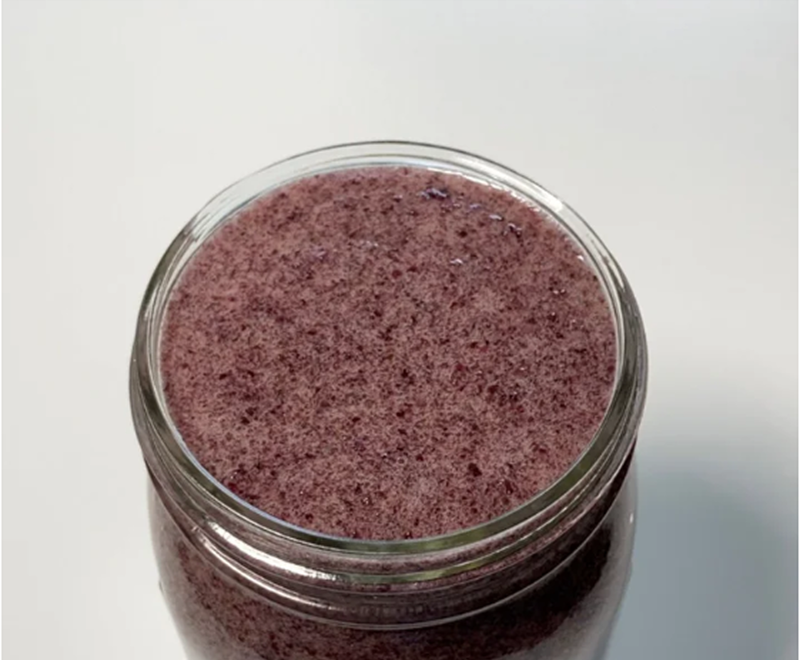
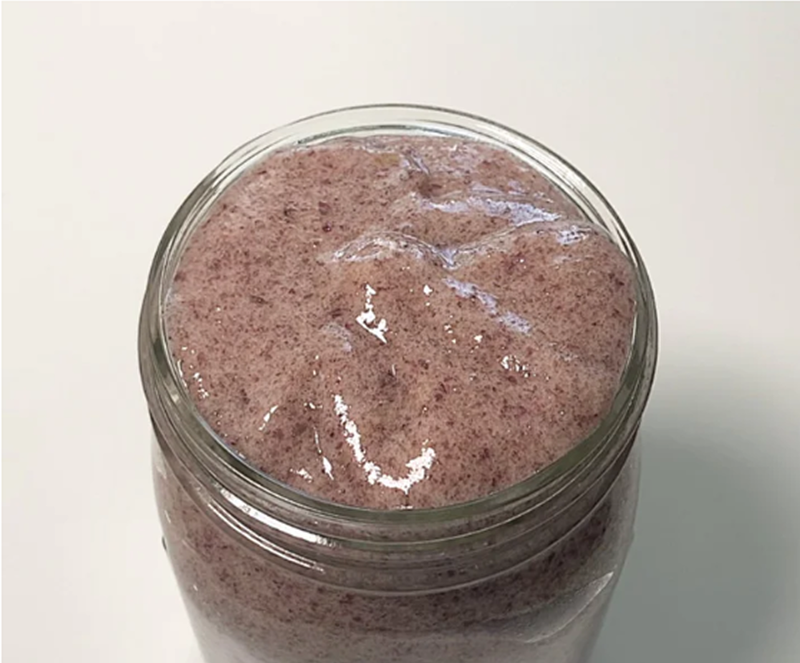
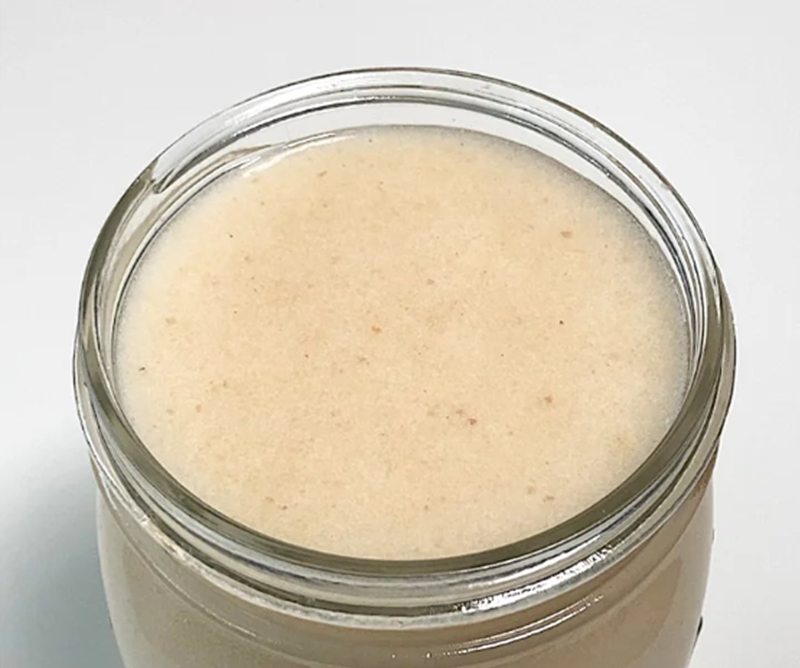
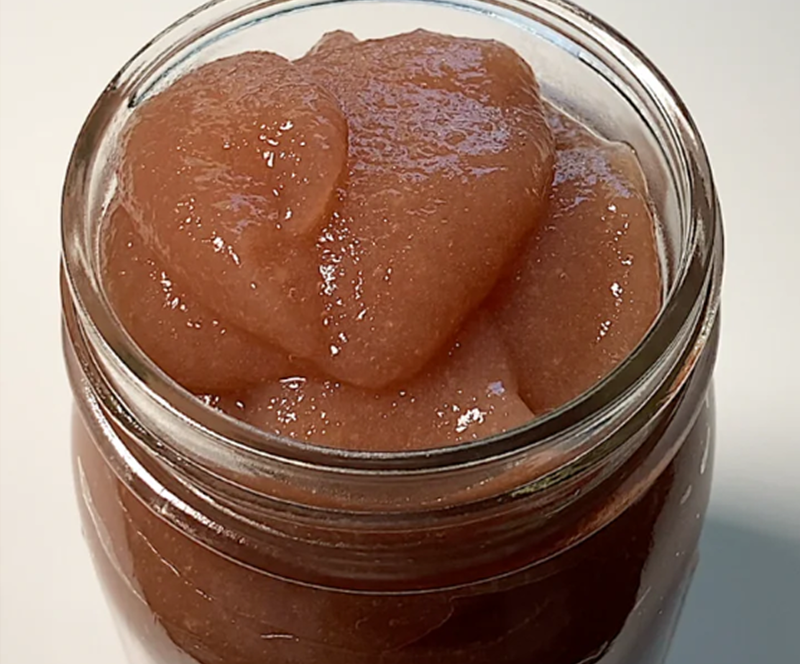
The golden color of sea moss is primarily a result of sun exposure. During the drying process, sea moss that is exposed to direct sunlight tends to turn golden. Purple sea moss, on the other hand, is usually dried in the shade, which helps preserve its natural purple pigments, specifically anthocyanins. The anthocyanins in purple moss give it its deep color. When exposed to sunlight, these pigments break down, causing the purple moss to transition to a more golden shade.
Our Sea Moss Capsules carry a Supplement Facts panel, so these are the amounts in a 4 capsule serving:
Iodine, 364 mcg, 243% of the Daily Value. Iodine supports normal thyroid function and healthy skin.*
Iron, 4 mg, 24% of the Daily Value. Iron supports normal red blood cell formation and helps reduce tiredness and fatigue.*
Homemade gel is different. A tablespoon or two is mostly water, roughly one to three grams of actual dried sea moss, so it does not deliver the amounts above. There is no Supplement Facts panel for gel, so there are no figures to give you.
Both purple and gold sea moss are available in various forms, including:
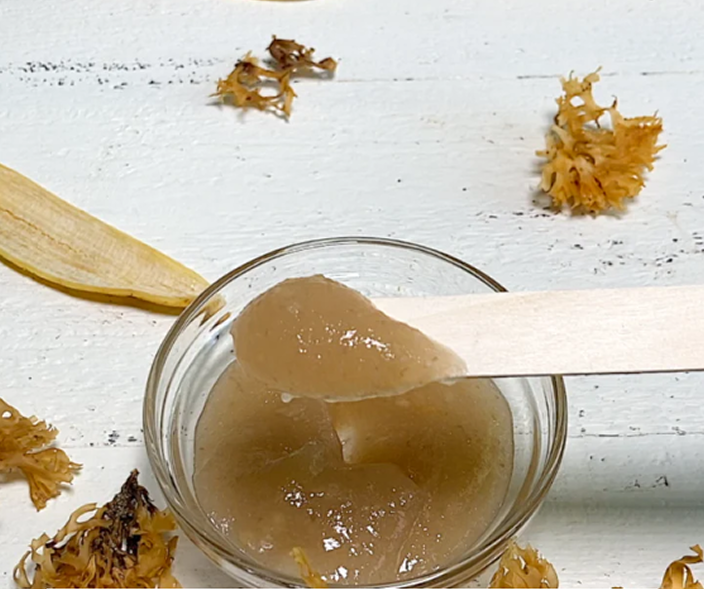
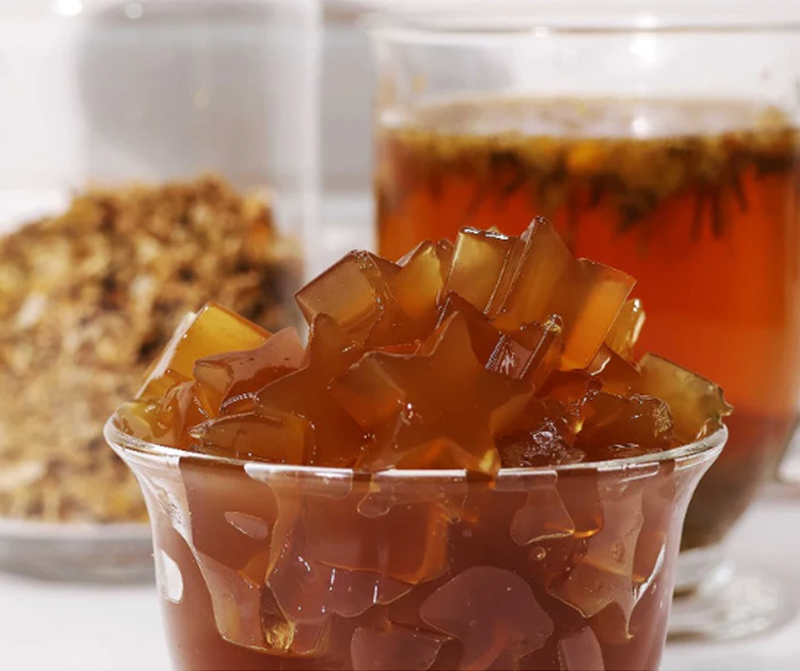
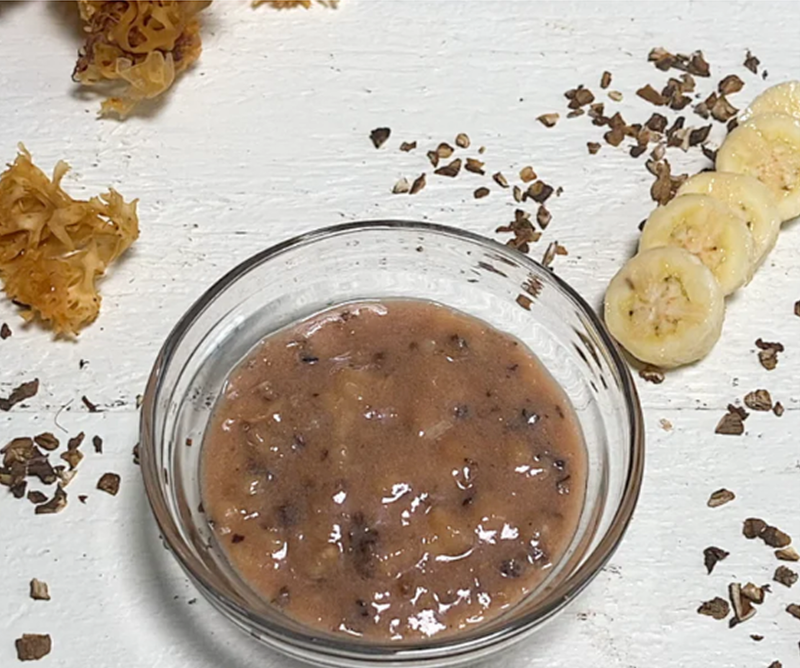
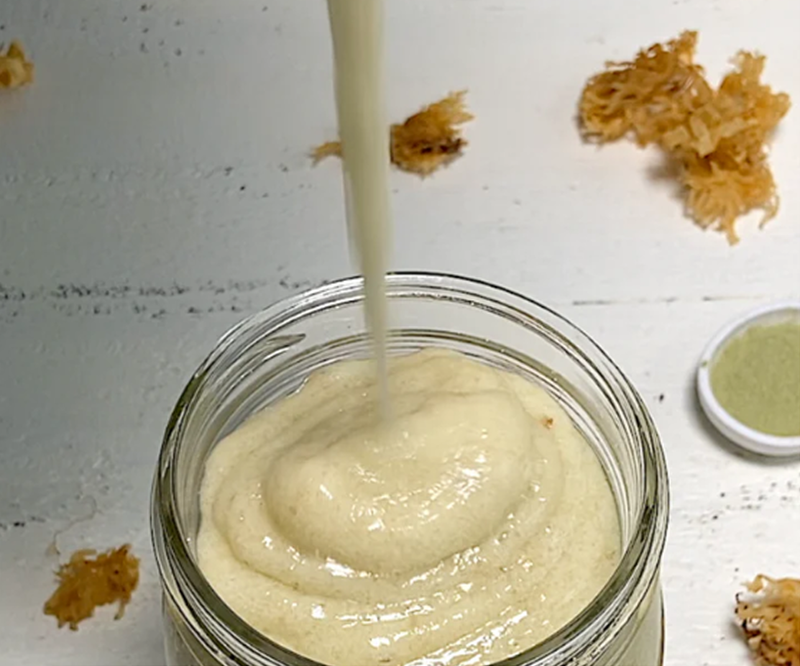
Sea Moss Gel: Blend raw sea moss into gel and use it as a base for smoothies, teas, or apply directly to the skin as a hydrating mask.
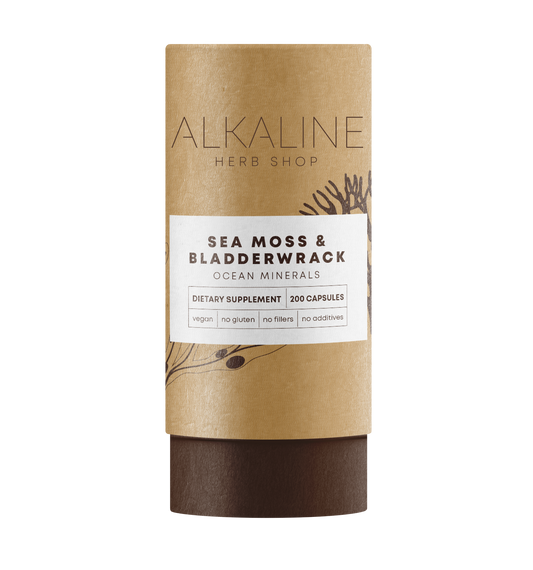
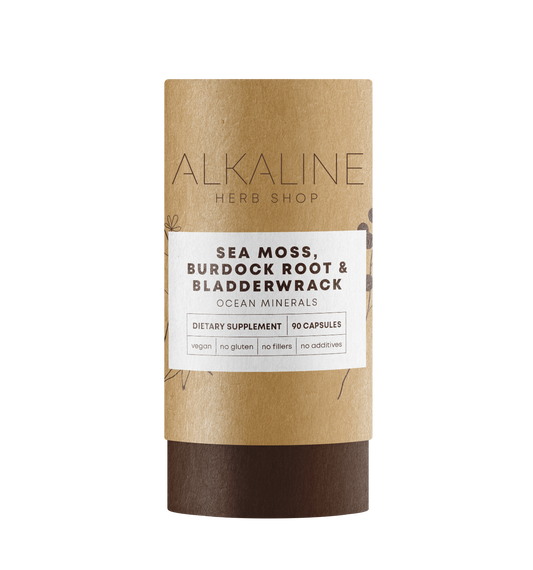
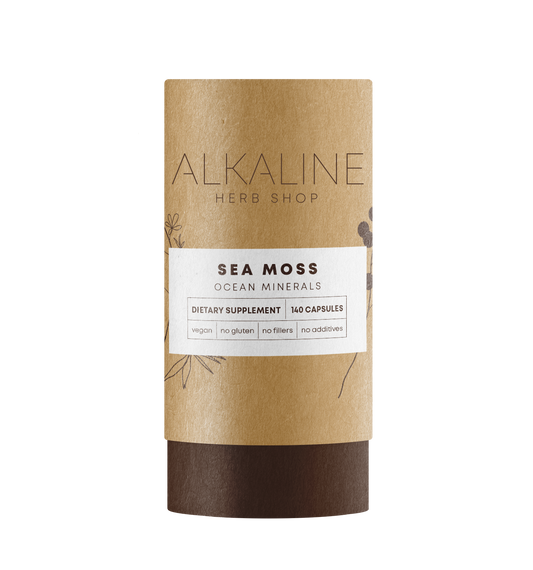
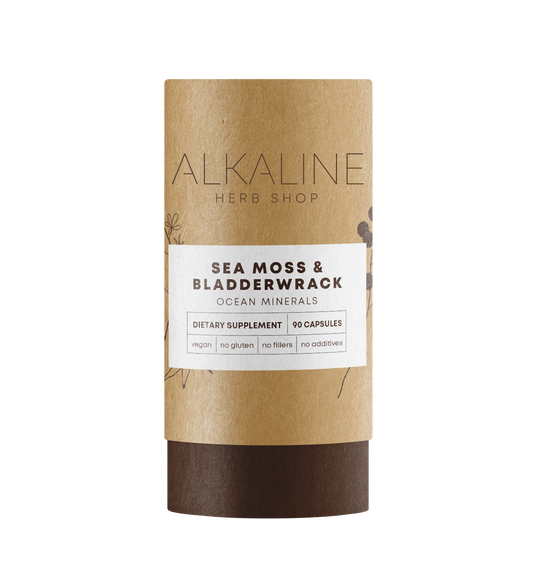
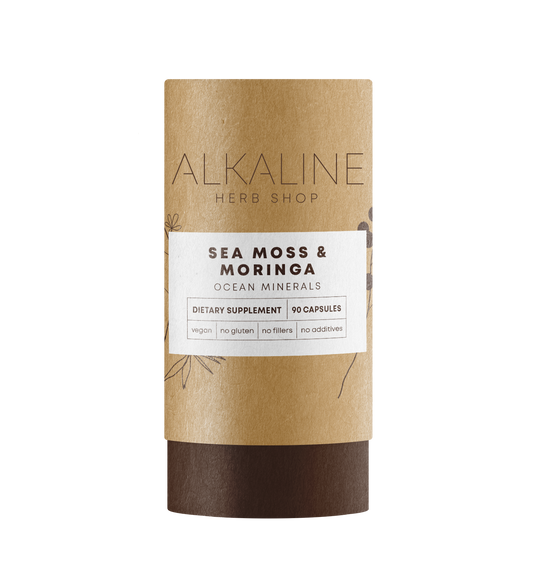
Sea Moss Capsules: An easy and convenient supplement form for daily intake.
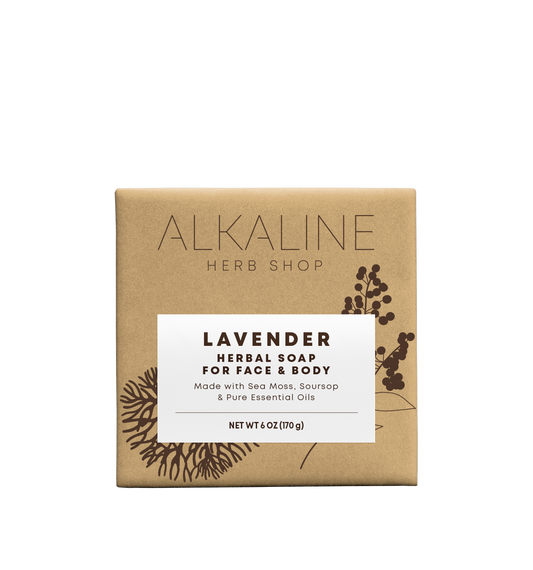
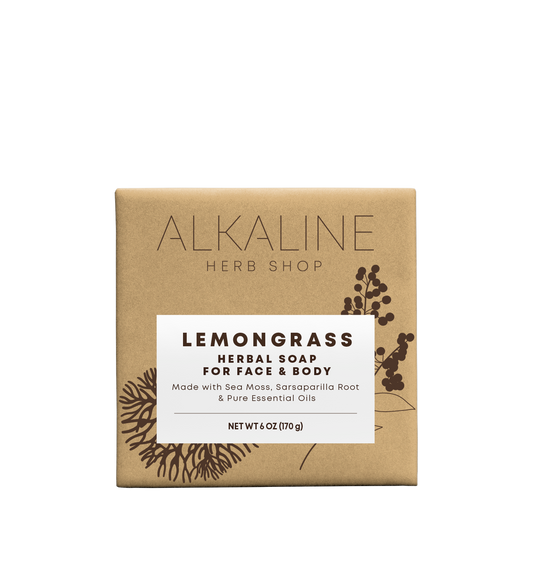
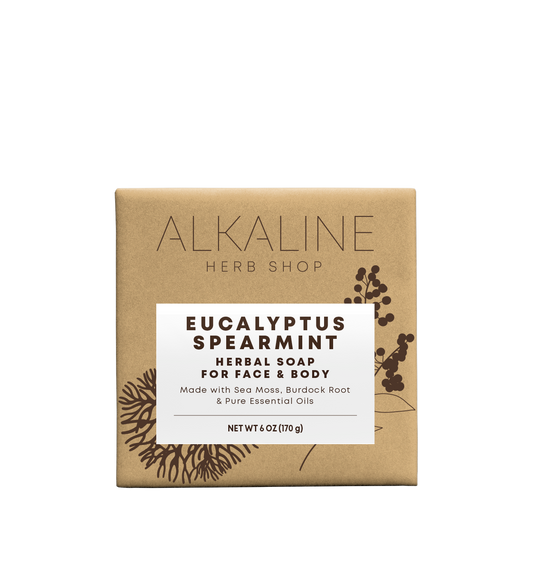
Sea Moss Soap: For its soothing and moisturizing properties for the skin.
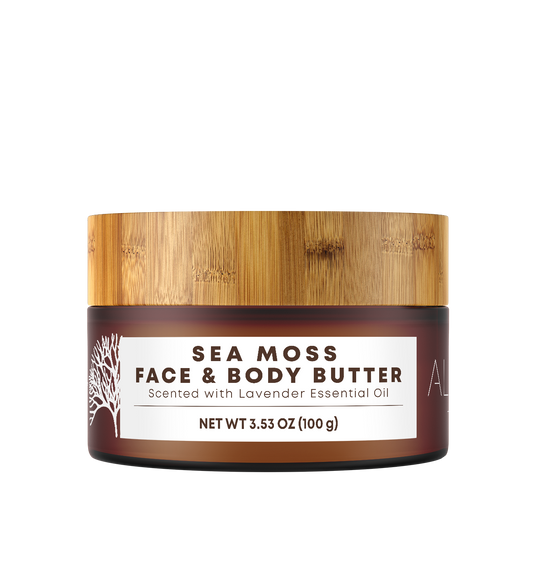
Sea Moss Face & Body Butter: Apply as a rich moisturizer.
When buying sea moss, there are a few important things to keep in mind, regardless of whether you choose the purple or gold variety:
Iodine Levels: Sea moss concentrates iodine from seawater, and the amount varies a great deal with where and when it was harvested. Too much iodine can affect the thyroid, so if you have a thyroid condition speak to your doctor before adding sea moss to your diet.
Heavy Metals: Sea moss can absorb heavy metals from the water where it grows. Always purchase sea moss from reputable sources like Alkaline Herb Shop that third-party test for identity, microbes, and heavy metals.
Allergic Reactions: Some people may be allergic to sea moss. If you notice symptoms like itching, swelling, or difficulty breathing after consuming sea moss, seek medical help immediately.
Long-Term Medication: If you manage a long-term condition or take prescription medication daily, sea moss could interfere with nutrient balance or treatment plans. Getting personalized medical guidance is the safest approach.
Using Blood Thinners: Sea moss may influence blood clotting in some cases. If you take anticoagulant or antiplatelet medications (such as warfarin or high-dose aspirin), speak with your doctor first to avoid unwanted interactions.
Pregnant or Breastfeeding: Research is limited on sea moss during pregnancy and breastfeeding. Because iodine intake matters during this time, it’s safer to avoid sea moss unless a healthcare provider says it’s okay.
To sum up, purple sea moss and gold sea moss are very similar in composition. The main differences come down to texture and taste, with gold moss being slightly smoother and milder. The color does not change what is in it, so the choice comes down to personal preference. Whether you go for the vibrant purple or the golden one, the difference is a matter of taste and texture, not substance.
No, there is no significant difference between them. The choice depends on your personal preference for taste, texture, or color.
Their composition is nearly identical. Both concentrate iodine from seawater, and the amount varies with where and when they were harvested rather than with color.
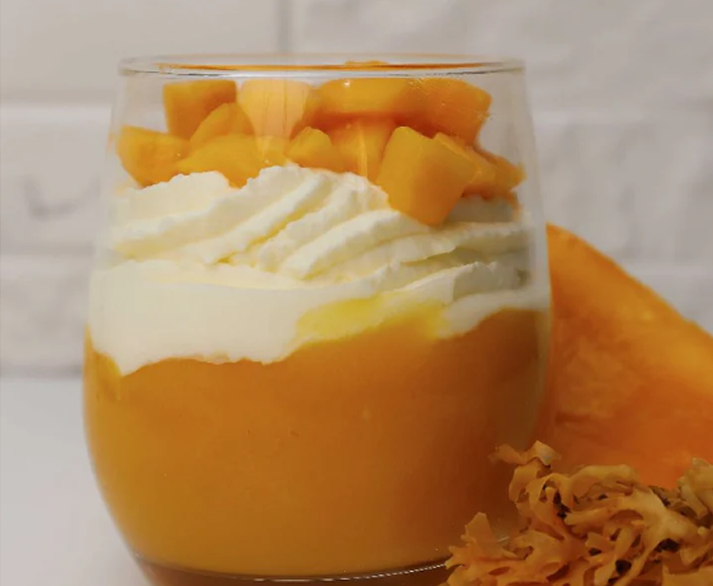
Yes, both types of sea moss can be used interchangeably in smoothies, soups, teas, or skincare products. While purple moss has a slightly richer flavor, both are mild enough not to significantly alter the taste of your dishes.
*These statements have not been evaluated by the Food and Drug Administration. Sea moss is a food and is not intended to diagnose, treat, cure, or prevent any disease. Talk to your healthcare provider before use, especially if you are pregnant, nursing, taking medication, or managing a thyroid condition.


.png?v=14052428765372906161786250558) Previous Post
Previous Post
%20copy.png?v=62173825240595680121786250558)