Sea Moss and Thyroid: What Iodine Really Does
Published on

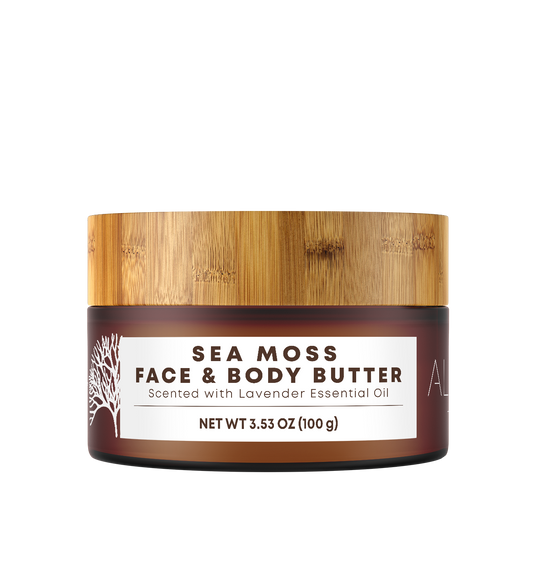

By Suhail Rivera, JD, founder of Alkaline Herb Shop
Curious about the connection between sea moss and thyroid health? You're not alone. Sea moss concentrates iodine from seawater, and iodine is the raw material your thyroid uses to make its hormones, so it's a reasonable thing to be curious about. This article explains what the thyroid does, why iodine matters, and how people use sea moss as a food, along with important cautions, because with iodine, more is not better. It's worth reading alongside the potential side effects of sea moss. New to sea moss? Start with our complete sea moss guide.
The thyroid is a small, butterfly-shaped gland that sits toward the front of the neck. Though tiny, it plays a large role in how your body functions.
Your thyroid produces hormones (mainly T3 and T4) that help regulate your metabolism, the pace at which your body uses energy, along with things like heart rate, body temperature, and energy levels.
To make these hormones, your thyroid needs one key ingredient from your diet: iodine. This is where a food like sea moss enters the conversation, not as a treatment, but simply as one of several foods that carry iodine.
Thyroid conditions such as hypothyroidism (an underactive thyroid) and hyperthyroidism (an overactive thyroid) are common, affecting millions of people. We mention them here only for context. Sea moss is a food, not a medicine, and it is not a treatment for any thyroid condition. If you have symptoms like persistent fatigue, unexplained weight change, feeling unusually cold or hot, or a lump or swelling in your neck, please see a healthcare provider. These need proper testing and care, not a supplement.
This matters because thyroid conditions and iodine intake interact in ways that can go the wrong direction if you self-treat. That is the honest reason to loop in a professional rather than reaching for sea moss on your own.
A balanced diet supplies several nutrients your body uses for normal thyroid function. None of these "fix" the thyroid; they are simply part of overall nutrition:
Iodine is the nutrient most directly tied to thyroid hormone production. Sea vegetables like dulse, nori, and sea moss naturally contain iodine, as do dairy and iodized salt in most diets. Sea vegetables can carry a great deal of iodine, so they are worth enjoying in moderation rather than in large amounts.
A varied diet also provides selenium (Brazil nuts are a well-known source), zinc (from pumpkin seeds, hemp seeds, lentils, chickpeas, and more), and iron. Zinc is on our own Supplement Facts panel, at 0.3 mg, 3% of the Daily Value. That is well under the 10% mark where the FDA allows a nutrient claim to be made at all, so we do not make one. Selenium is not on our panel.
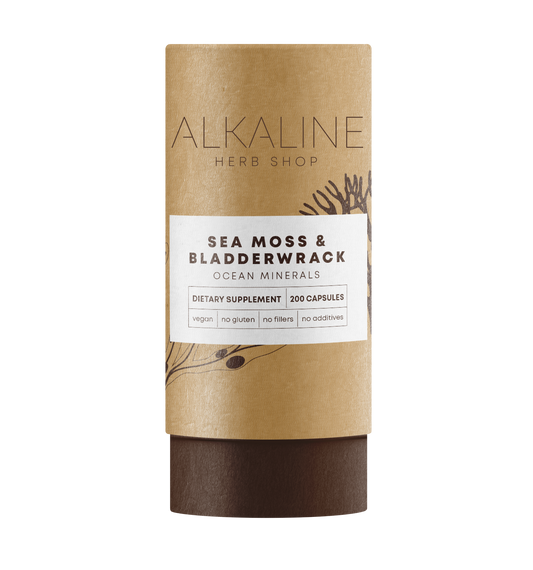
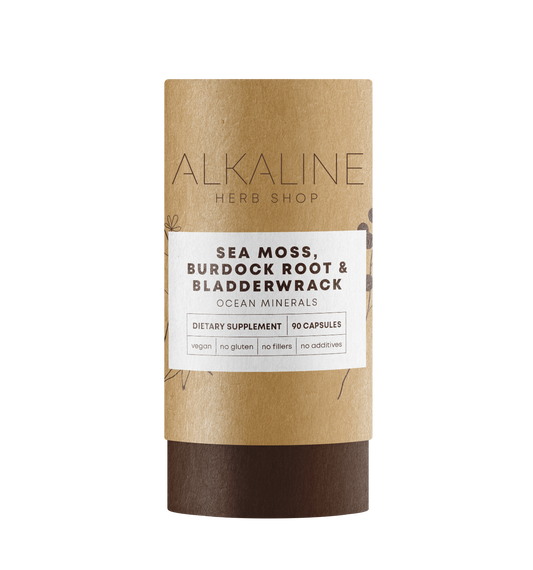
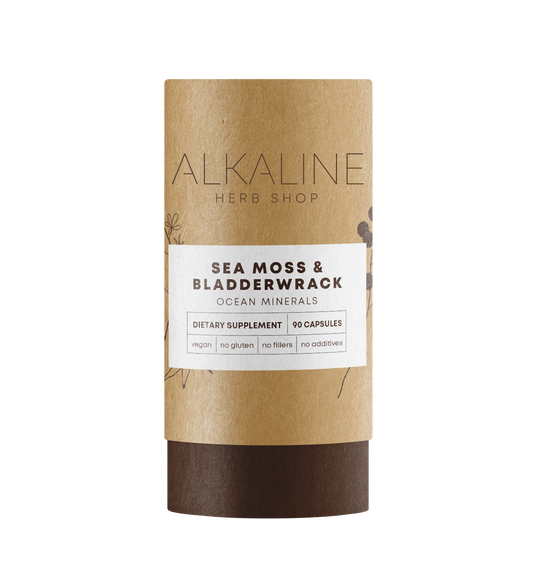
Some people pair sea moss with bladderwrack, another sea vegetable that also naturally contains iodine, which is why the two are so often sold together. Just remember that bladderwrack adds even more iodine on top of sea moss, so the same "keep it moderate" caution applies double if you have a thyroid condition.
Managing stress, sleeping well, and moving regularly support overall health for everyone, thyroid condition or not.
Rigorous human studies on sea moss specifically for thyroid outcomes are limited. What we can say honestly is what is on the panel and what those nutrients do in the body.
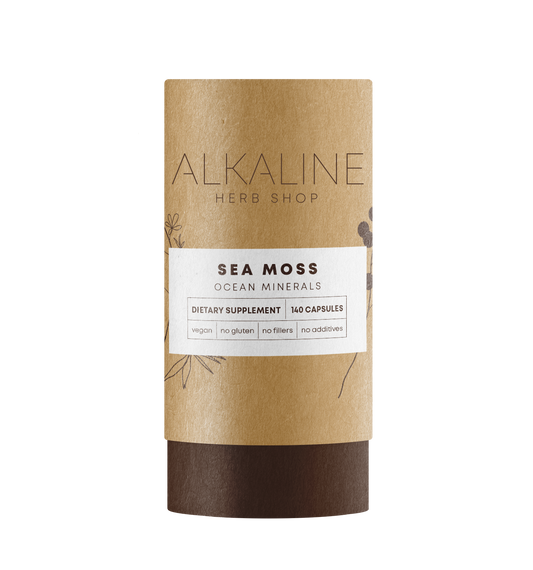
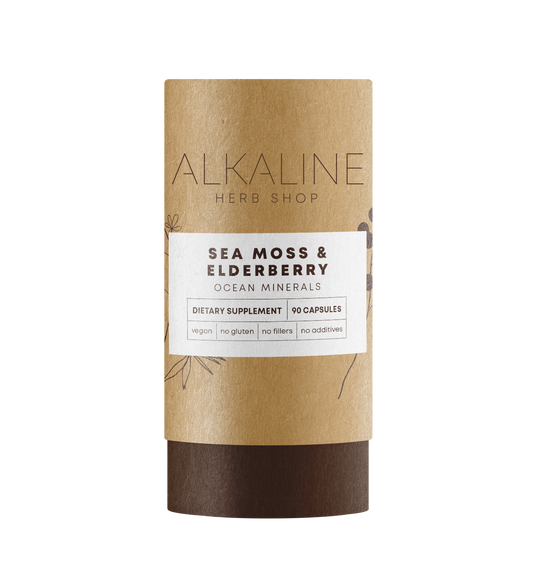
Our Sea Moss Capsules carry a Supplement Facts panel, so these are the amounts in a 4 capsule serving:
Iodine, 364 mcg, 243% of the Daily Value. Iodine supports normal thyroid function and healthy skin.*
Iron, 4 mg, 24% of the Daily Value. Iron supports normal red blood cell formation and helps reduce tiredness and fatigue.*
At 243% of the Daily Value, the capsules are an excellent source of iodine. That is the specific wording the FDA allows once a serving clears 20%, and it is the clearest thing we can tell you about sea moss and your thyroid. Raw sea moss and homemade gel have no Supplement Facts panel, so there are no figures to give you for those.
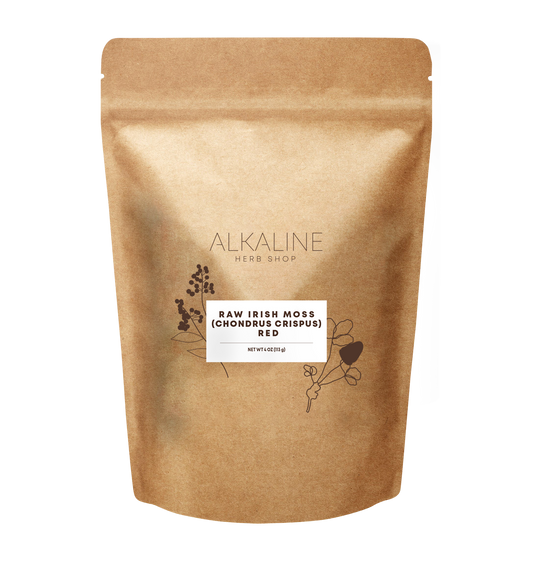
Sea moss, particularly Chondrus crispus, concentrates iodine out of the seawater it grows in, and iodine supports normal thyroid function.* It arrives as part of a whole food rather than an isolated dose. The catch is that the amount varies with the water, the season and the harvest, so unless a specific batch has been sent to a lab, there is no figure for it. That is exactly why the capsule panel above matters: it is the version of sea moss where somebody actually measured.
The panel also shows iron at 4 mg, 24% of the Daily Value, and iron helps reduce tiredness and fatigue.* That is worth a mention in a thyroid article specifically, because tiredness is one of the first things people notice and one of the first things they blame their thyroid for. It is worth ruling out the simpler explanation with a blood test before assuming it is the thyroid.
Many people simply prefer getting nutrients from a whole food they can add to smoothies or teas, rather than from isolated supplements. Sea moss fits that preference. Just remember that "natural" does not mean "unlimited"; the iodine caution below matters.
This is the part that matters most, and it is where an honest answer is more useful than a sales pitch. Sea moss is a food, not a medicine, and it is not a treatment for any thyroid condition. But because it carries a lot of iodine, and iodine directly affects the thyroid, it interacts with these conditions in ways worth understanding.
It is tempting to assume that if iodine helps the thyroid make hormones, more iodine must help an underactive one. It is not that simple. Iodine deficiency is a cause of hypothyroidism in some parts of the world, but in places where salt is iodized, most hypothyroidism is not caused by a lack of iodine, and adding extra iodine can sometimes make an underactive thyroid worse. Sea moss will not cure or treat hypothyroidism. If you have it, how much iodine you should get is a question for the doctor managing your care.
This one deserves a clear caution. Hashimoto's is an autoimmune condition, and many people with it are specifically advised to be careful with extra iodine, because for some it can aggravate the condition. This is exactly the situation where you should not start sea moss on your own. If you have Hashimoto's and you are curious about sea moss, ask the doctor managing it first. That is the responsible move, not just a disclaimer.
With an overactive thyroid, extra iodine can also be a problem and may worsen symptoms. Do not use sea moss for hyperthyroidism without medical guidance.
If your thyroid has been removed (thyroidectomy) or treated with radioactive iodine, your iodine intake is managed by your medical team, sometimes including a deliberately low-iodine diet around treatment. Sea moss carries a lot of iodine, so check with your doctor before adding it in this situation.
Foods that carry a lot of iodine, sea moss among them, can affect how thyroid medication such as levothyroxine (Synthroid) is absorbed. If you take thyroid medication, take sea moss several hours apart from your dose, keep your intake consistent rather than up-and-down, and tell your doctor you are using it so they can monitor your levels.
Your thyroid needs iodine, but too much can cause problems, and people with existing thyroid conditions are the most sensitive. The window between helpful and too-much can be narrow, and because the iodine in sea moss varies by harvest and processing, the amount you get is not precise. Keep servings modest, and do not stack sea moss on top of bladderwrack, kelp, and iodine supplements all at once.
For scale, the National Institutes of Health puts the recommended daily intake for most adults at 150 mcg and the upper limit at 1,100 mcg a day from all sources. A 4 capsule serving of our capsules is 364 mcg, comfortably inside that.
It is also worth knowing that the upper limit is a cautious number rather than a cliff edge. Japanese iodine intake comes mostly from seaweed, and a literature review in Thyroid Research put the national average at roughly 1,000 to 3,000 mcg a day. That is above the American limit, every day, for a whole country with one of the longest life expectancies in the world. Nobody has shown the iodine is the reason, and the same review is clear that high intake causes trouble for people who already have thyroid autoimmunity. Which is really the point of this whole page. If your thyroid is healthy, sea moss at a sensible serving is not the thing to worry about. If it is not, this is a conversation for your doctor.
Low-quality sea moss, especially pool-grown or rope-grown, can carry contaminants like heavy metals or overstate its mineral content. Always buy from reputable sources like Alkaline Herb Shop that test every batch for identity, microbes, and heavy metals.
If you and your provider are comfortable with it, here is how people typically use sea moss. The guiding rule is start low and go slow.
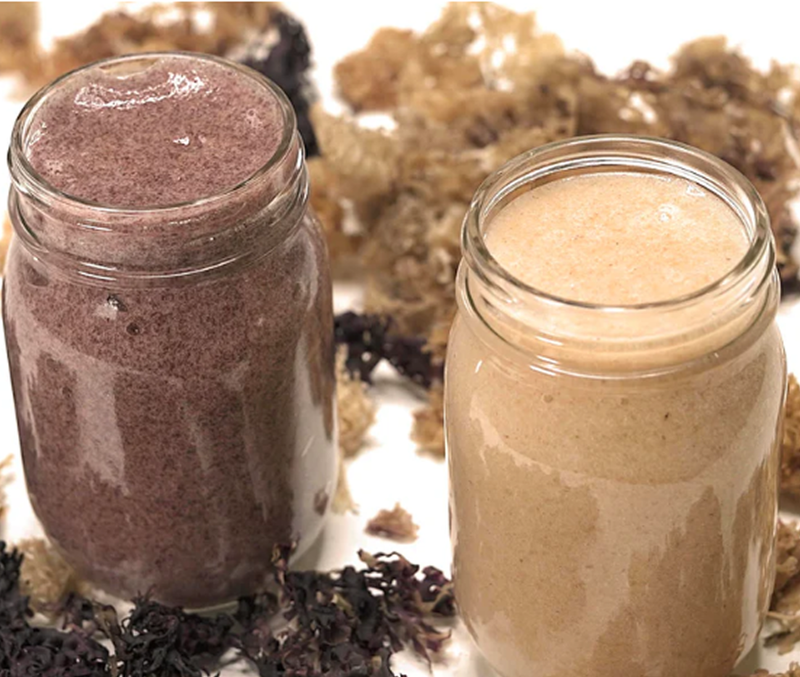
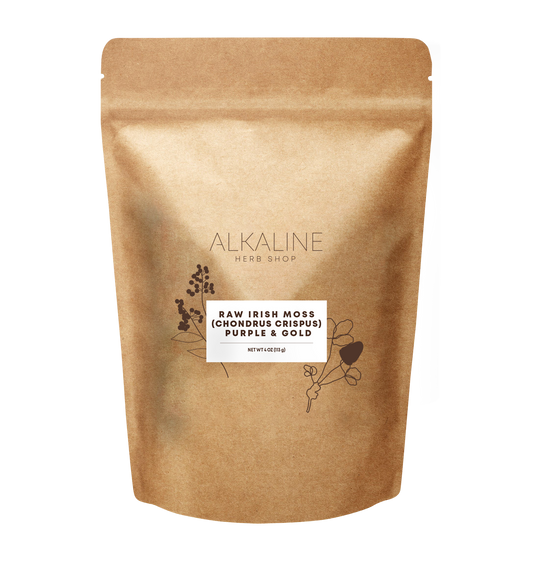
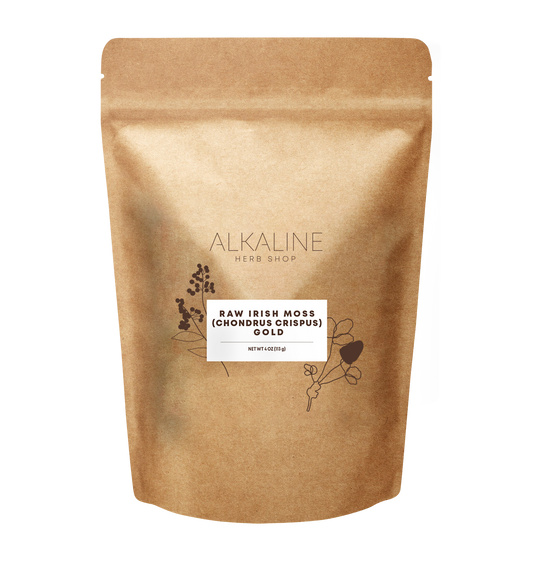
Choose wild-harvested Chondrus crispus sea moss. It grows in cold North Atlantic waters and absorbs minerals from the rocks and ocean floor. Look for natural red or gold color (avoid anything unnaturally bright or perfectly uniform), and buy from a company that tests for heavy metals, microbes, and identity.
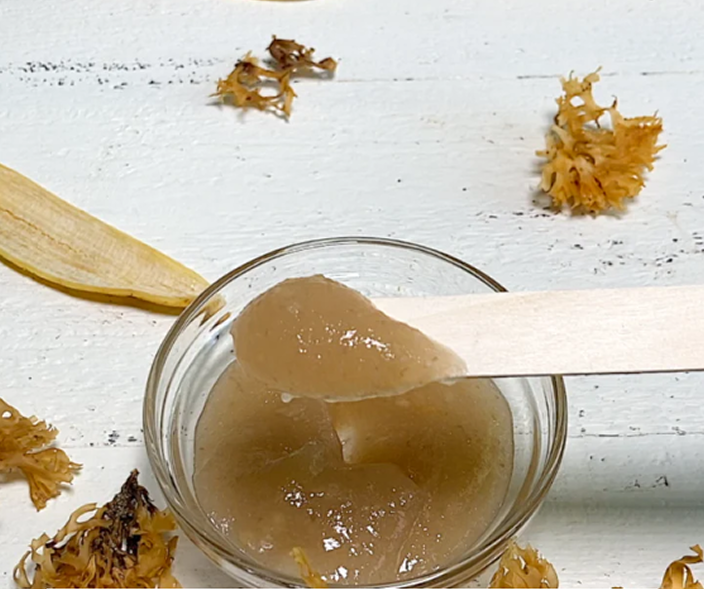
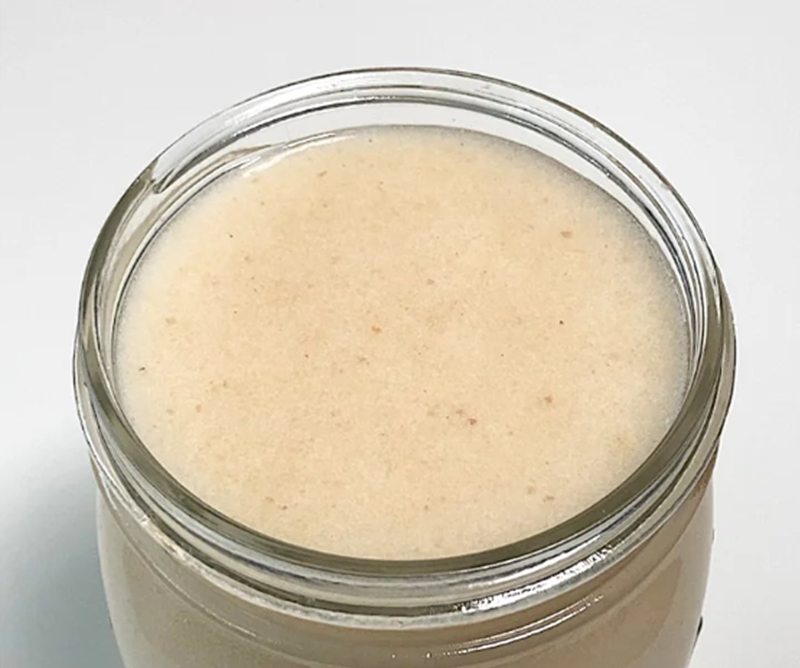
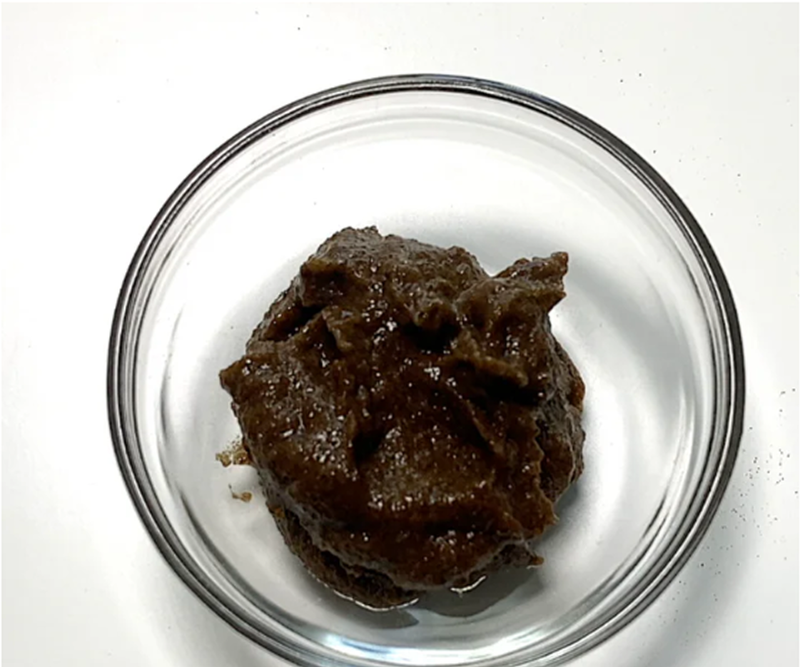
Rinse 2 oz of raw sea moss in spring water twice.
Soak in spring water for up to 24 hours.
Remove from the water and rinse again.
Cut into small pieces with scissors (this keeps the blender from jamming).
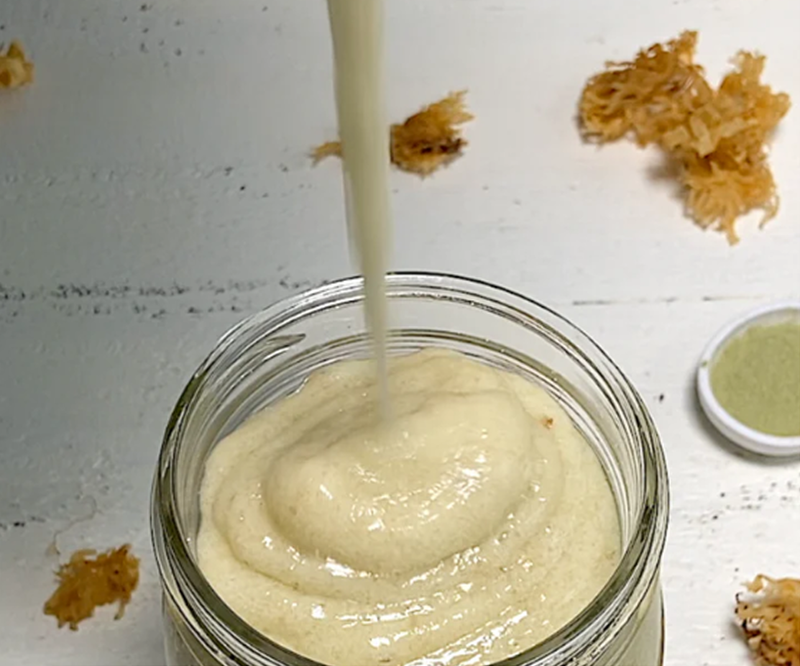
Add 2 cups of spring water and the soaked sea moss to a blender and blend until smooth.
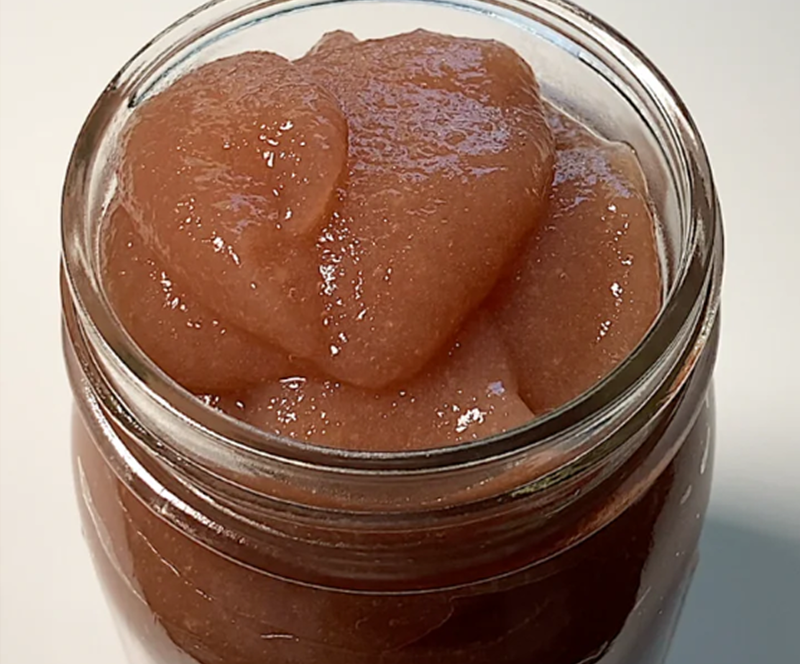
Transfer to a glass jar and refrigerate.
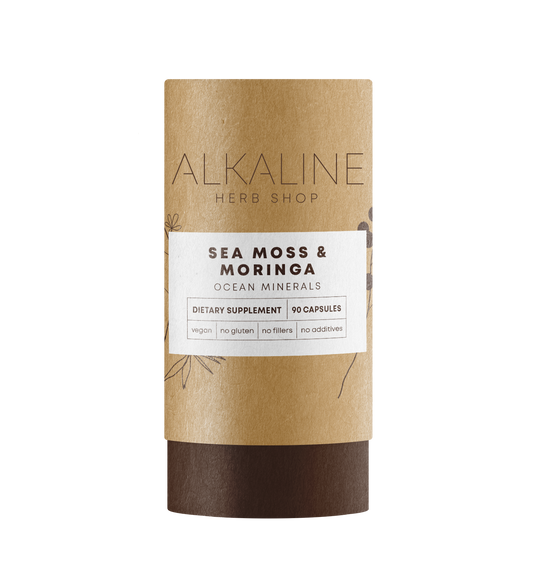
For convenience, sea moss capsules give a consistent serving with no prep. Alkaline Herb Shop's capsules are made from wildcrafted sea moss tested for identity, microbes, and heavy metals.
Add 1 to 2 tablespoons of sea moss gel to food or drinks, or
Take sea moss capsules according to the label.
Check with your healthcare provider before starting sea moss, especially if you have a thyroid condition, are pregnant or nursing, or take any medication.
A 4 capsule serving of our Sea Moss Capsules provides 364 mcg of iodine, 243% of the Daily Value, which makes them an excellent source of iodine, and iodine supports normal thyroid function.* That is the real connection. But sea moss is a food, not a treatment for any thyroid condition, and because too much iodine can disrupt thyroid balance, moderation matters. Check with your provider first if you have a thyroid condition.
Not necessarily, and it is not a treatment for it. Only some hypothyroidism is caused by iodine deficiency; where salt is iodized, most is not, and extra iodine can sometimes make an underactive thyroid worse. If you have hypothyroidism, let your doctor guide your iodine intake.
Be careful. Many people with Hashimoto's are advised to limit extra iodine, and sea moss carries a lot of it. Do not start it on your own. Ask the doctor managing your Hashimoto's first.
Sea moss can affect how thyroid medication is absorbed. Take it several hours apart from your levothyroxine (or other thyroid medication), keep your intake steady, and tell your doctor you are using it so they can monitor your levels.
Ask your doctor first. After thyroid removal or radioactive iodine treatment, your iodine intake is managed by your medical team, sometimes with a low-iodine diet, and sea moss carries a lot of iodine.
It is not inherently bad, but too much iodine from any source can be. The people most likely to run into trouble are those with an existing thyroid condition. Used modestly by someone without thyroid issues, sea moss is simply one more food that carries iodine.
No. Sea moss does not cure, treat, or manage any thyroid condition. Those require proper medical diagnosis and care.
*These statements have not been evaluated by the Food and Drug Administration. Sea moss is a food and is not intended to diagnose, treat, cure, or prevent any disease. Talk to your healthcare provider before use, especially if you are pregnant, nursing, taking medication, or managing a thyroid condition.


.png?v=14052428765372906161786250558) Previous Post
Previous Post
%20copy.png?v=62173825240595680121786250558)