Does Sea Moss Help With Mucus? What Tradition and Research Say
Published on

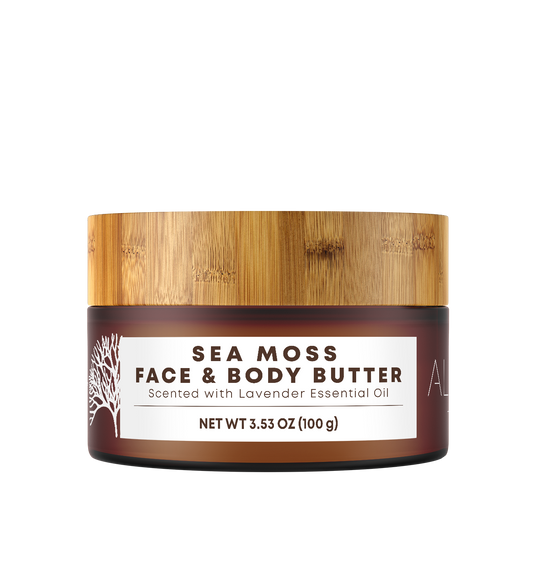
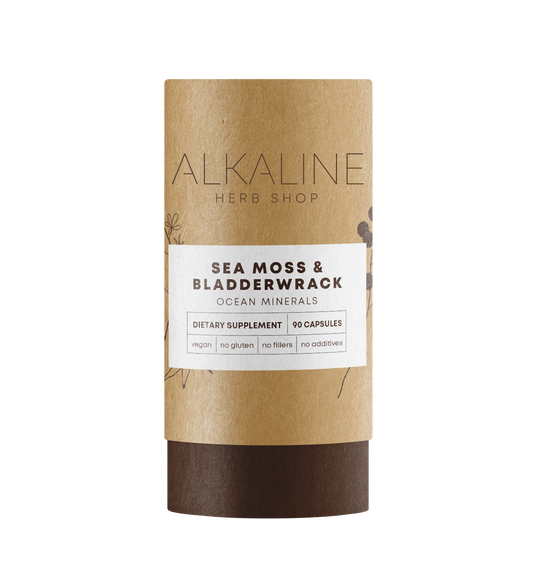
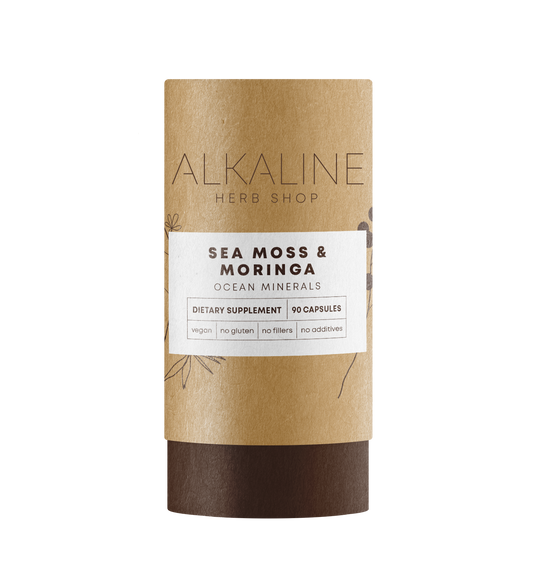
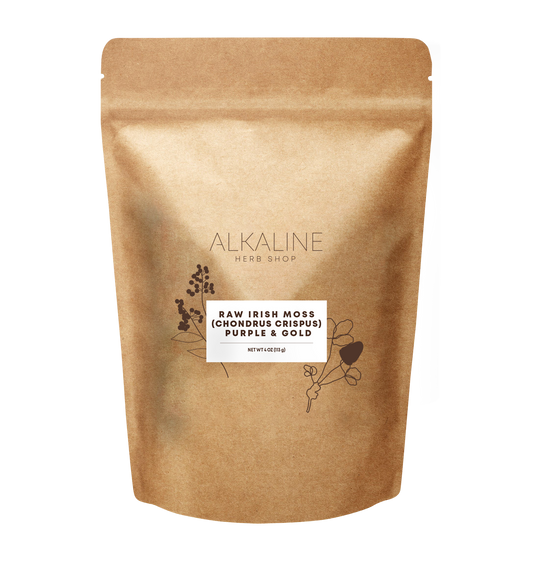


By Suhail Rivera, JD, founder of Alkaline Herb Shop
A little mucus is beneficial to the body, helping to cleanse the lungs and airways. But too much for too long, especially the thick, sticky kind, can make breathing difficult, cause coughing fits, and generally make you feel miserable. While there are plenty of over-the-counter options for clearing mucus, many people are turning to natural alternatives. Of these, sea moss is quickly becoming a favorite. New to sea moss? Start with our complete sea moss guide.
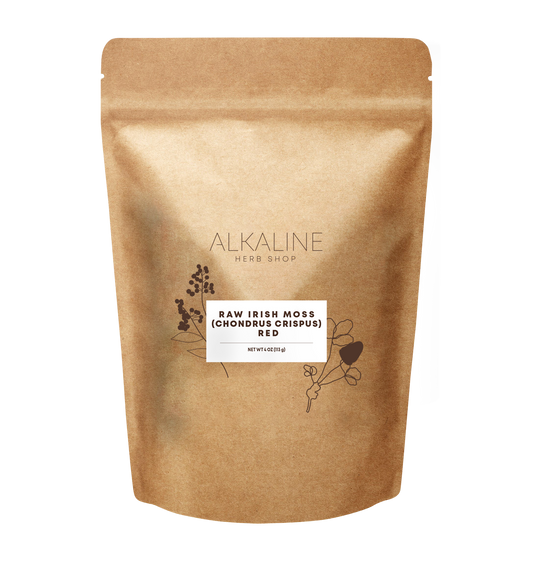
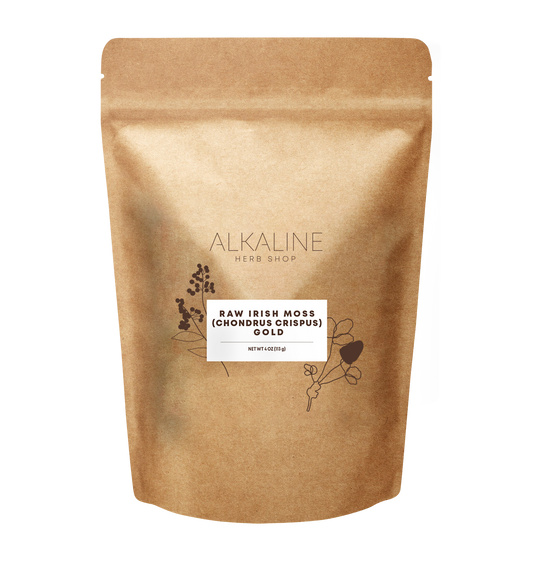
Sea moss (Chondrus crispus) is a type of red and gold algae that grows along cold water Atlantic coastlines. It's not actually a moss, but a seaweed that clings to coastal rocks, where it absorbs minerals directly from the ocean.
Here's what sea moss naturally brings to the table:*
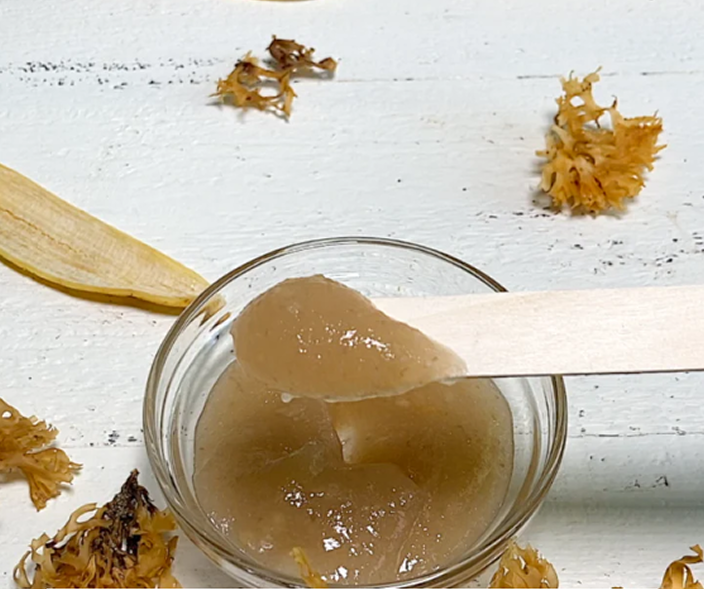
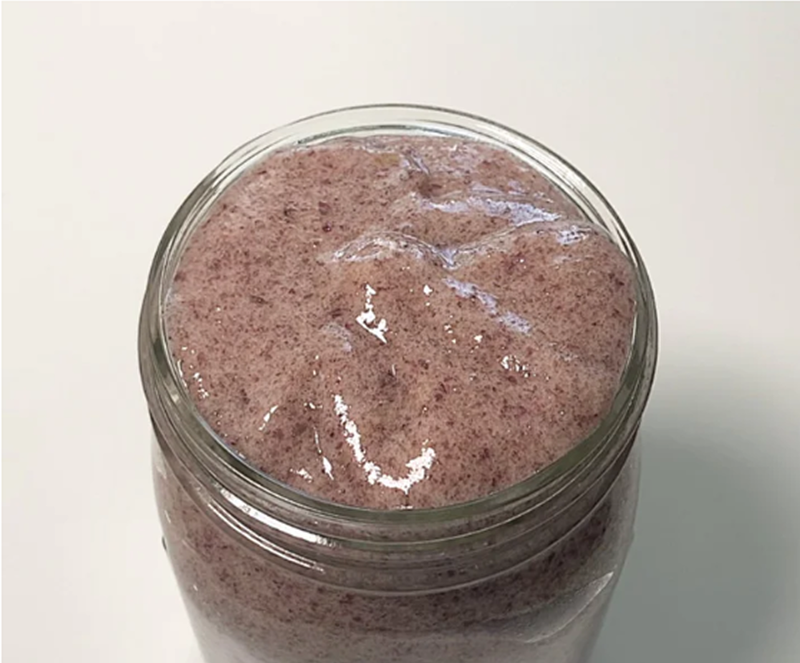
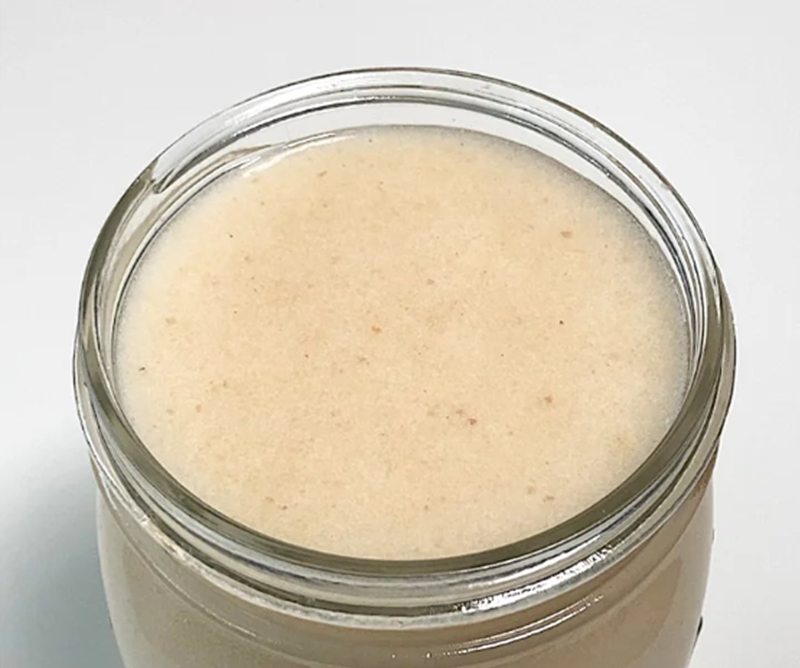
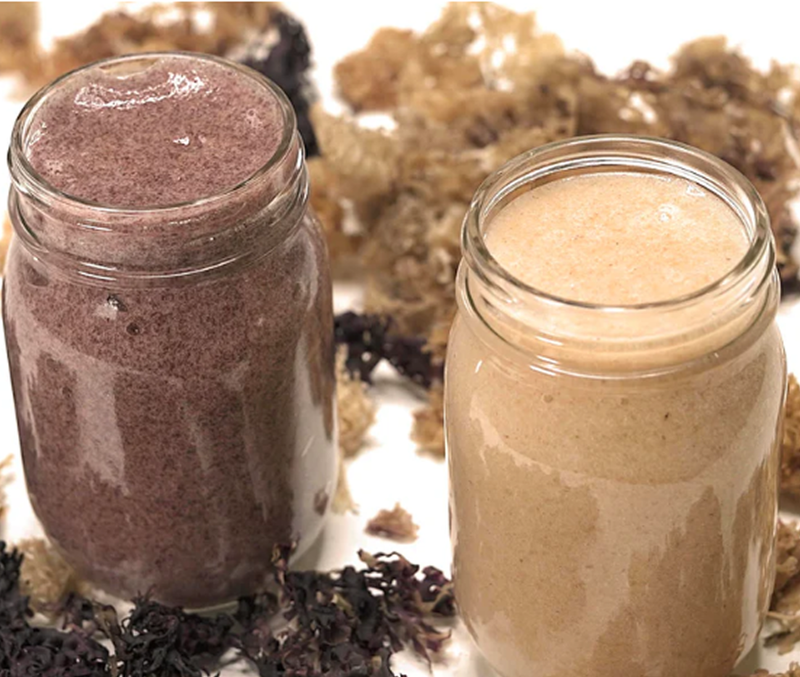
A gel-like mucilage. This is the one that matters on this page, and it is texture rather than nutrition. Soaked and blended, sea moss forms a slippery gel, which is why demulcent sea vegetables like it have traditionally been used to soothe a dry, scratchy throat.
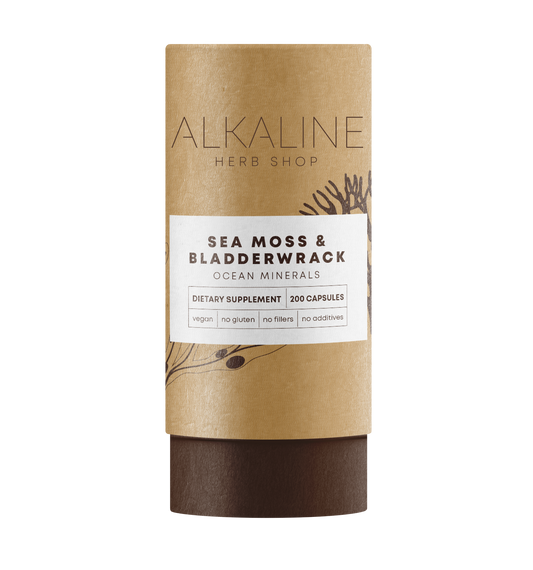
Iodine, 364 mcg, 243% of the Daily Value. On the Supplement Facts panel of our Sea Moss Capsules, in a 4 capsule serving, which makes them an excellent source of iodine. Iodine supports normal thyroid function and healthy skin.*
Iron, 4 mg, 24% of the Daily Value. Also on the panel. Iron supports normal red blood cell formation and helps reduce tiredness and fatigue.*
Those two figures are measured on our own capsules. For raw sea moss and gel there is no panel unless that specific batch went to a lab, so treat any number you are quoted for those with a question about which harvest it came from.
Before diving into how people use sea moss when they feel congested, let's understand what mucus actually is and why our bodies produce it.
Mucus is that slippery, gel-like substance your body makes to protect and lubricate various passages in your body. It's produced by mucous membranes that line your respiratory tract, digestive system, and other areas. We might think of it as just "gross stuff," but mucus serves several important functions:
Creates a protective barrier against irritants and pathogens
Traps dust, bacteria, and viruses before they can cause infection
Keeps sensitive tissues moist and functioning properly
Contains antibodies and enzymes that fight infections
Healthy mucus is typically clear and thin. It becomes a problem when it gets thick, excessive, or changes color, often signaling inflammation or infection. Common causes of excess mucus include:
Colds and respiratory infections
Allergies and hay fever
Asthma and chronic respiratory conditions
Smoking or exposure to air pollution
Certain foods (dairy products trigger mucus production for some people)
Your body produces about 1-1.5 liters of mucus daily, most of which you swallow without noticing. It's only when production increases or consistency changes that you become aware of it. Those are the moments when you're constantly clearing your throat or reaching for tissues.
Mucus buildup can affect different parts of the body, especially the respiratory and digestive systems. When excess mucus accumulates, it may cause a range of uncomfortable symptoms depending on where it is concentrated.
In the nose and sinuses: Runny nose, postnasal drip, sinus pressure or pain, and reduced sense of smell or taste
In the lungs: Persistent cough, wheezing, shortness of breath, and chest tightness
In the digestive system: Nausea, bloating, stomach discomfort, and constipation
Sea moss has gained popularity as a natural option when people feel congested, but what do we actually know? Rigorous human studies on sea moss specifically for mucus are limited. What follows is a mix of traditional use and the general properties of sea moss, not medical evidence that it treats any condition.
Sea moss is naturally mucilaginous: soaked and blended, it forms a slippery gel. Demulcent plants like this have long been used in folk traditions to coat and soothe a dry or scratchy throat. Sea moss won't "dissolve" mucus, but many people find the gel, especially stirred into a warm tea, comforting when their throat feels irritated.
A common way to use sea moss when you feel congested is to stir the gel into a warm herbal tea such as ginger or thyme. The warmth and the fluids themselves are soothing, and it makes a pleasant daily ritual during cold and allergy season.
Staying well hydrated is one of the simplest things that helps keep mucus thin and easy to clear. Sea moss gel is usually taken in water, tea, or a smoothie, so it naturally adds to your daily fluids.
A 4 capsule serving of our capsules carries iodine at 243% of the Daily Value and iron at 24%. The iodine supports normal thyroid function, and the iron helps reduce tiredness and fatigue.* Neither of those is a mucus claim, and we are not going to dress them up as one.
One honest note: sea moss is not a fast-acting decongestant. People who use it tend to treat it as a daily habit rather than an emergency fix, so give it time and pay attention to how you feel.
Here are practical ways people use sea moss day to day:
Take 1-2 tablespoons daily, either on its own or mixed into drinks and foods. Many people like to take it in the morning and again before bed, and some prefer it on an empty stomach.
Easy ways to work sea moss gel into your routine:
Warm herbal teas: Add it to teas like ginger or thyme to soothe the throat.
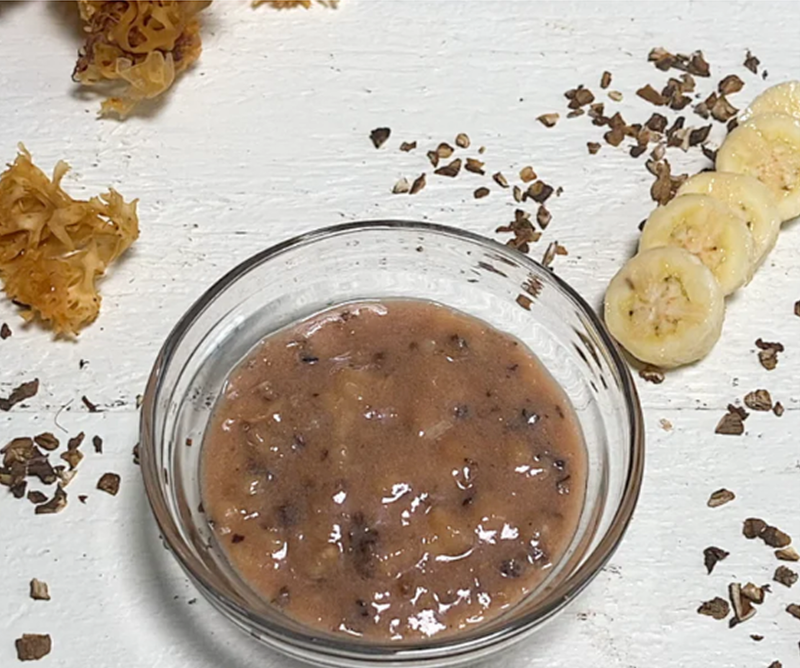
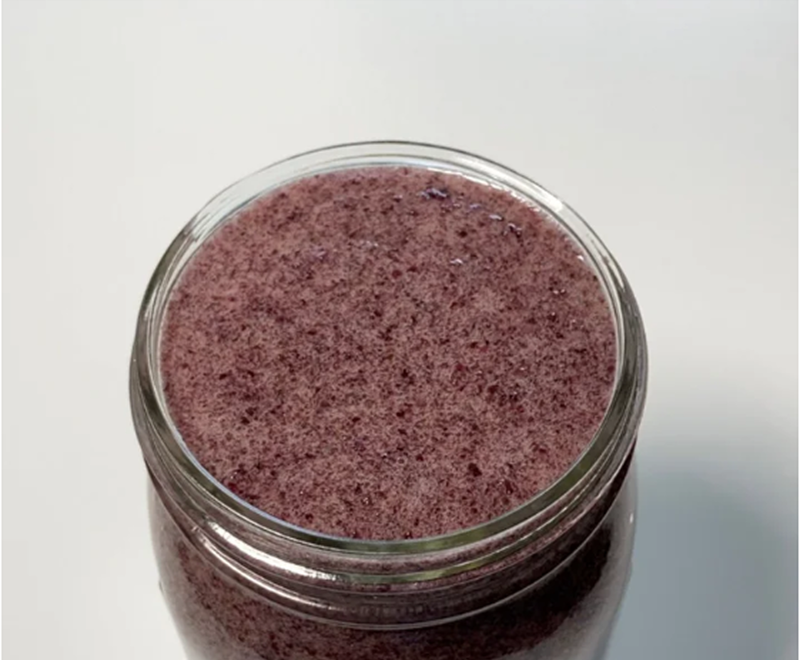
Smoothies: The easiest way to take it daily. We have four sea moss smoothie recipes, each with the method on video. The Purple Lagoon is the one to start with, frozen banana, blueberries and apple juice with two sea moss capsules emptied straight into the blender, and the Banana Berry is the same idea with elderberry infused gel.
Lukewarm water with lemon: A light, hydrating way to enjoy it.
If you're not sure how to prepare sea moss gel or make a tea, you can check out our sea moss gel recipe and our sea moss tea recipe for quick and easy instructions to get started.
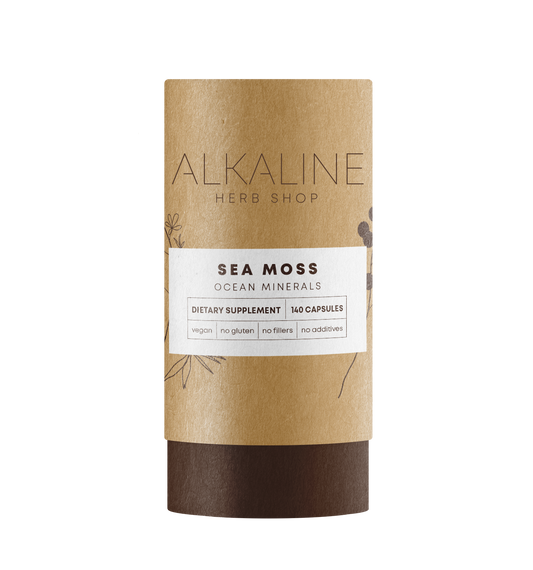
If you don't enjoy the taste or texture of the gel, sea moss capsules offer a convenient alternative. Always follow the instructions on the product label.
While sea moss is generally considered safe for most people, there are some important considerations, including potential side effects.
As with any natural supplement, it's wise to check with your healthcare provider before adding sea moss to your routine, especially if you have existing health conditions or take medications.
Sea moss combines centuries of traditional use with a Supplement Facts panel, and two nutrients on it high enough to say anything about.* Its gel-like texture is part of why it has long been a comforting addition when the throat feels dry or scratchy.
If you'd like to try it, consider it as part of a broader approach to feeling your best that includes staying hydrated, eating well, and keeping good air quality at home. Start with small amounts, be patient as your body adjusts, and see how you feel.
And remember: sea moss is a food, not a medicine. For a persistent cough, ongoing congestion, or any chronic respiratory condition, please check in with your healthcare provider.
Traditionally, sea moss gel has been used to soothe a dry, scratchy throat, and it's an easy way to add fluids and iodine to your day. It's a food, not a decongestant.
Most people stir the gel into a warm tea or water when they feel congested; the warmth, the fluids, and the gel's soothing texture are the appeal. Sea moss isn't a medicine and doesn't "break down" mucus.
Sea moss isn't a fast-acting remedy. People who use it treat it as a daily habit rather than a quick fix. If you don't feel it's helping after a few weeks, it may simply not be for you.
No. Sea moss is a food, not a medicine, and it is not a treatment for asthma, bronchitis, or any medical condition. If you have a chronic or worsening respiratory issue, please see your healthcare provider.
For most people, no. Dairy is a far more common mucus trigger. If you do notice any reaction after taking sea moss, stop and check with your provider.
Possible sea moss side effects include mild digestive upset when first starting, iodine sensitivity reactions, and rare allergic responses. Start with small amounts to test your tolerance.
Add 1-2 teaspoons of sea moss gel to food or drinks, or
Take sea moss capsules according to the package directions
Yes, many people take sea moss daily as part of their routine, especially during allergy season or winter months. It's a food, so daily use is common.
Iodine and iron, and both are on the Supplement Facts panel for our capsules: iodine at 364 mcg, 243% of the Daily Value, and iron at 4 mg, 24%. Iodine supports normal thyroid function and healthy skin, and iron supports normal red blood cell formation and helps reduce tiredness and fatigue.*
Always purchase sea moss from reputable sources like Alkaline Herb Shop that test for identity, microbes, and heavy metals
Wild-harvested Chondrus crispus from cold waters grows on rock rather than on ropes in warm shallows, which is a different product from most of what is sold as sea moss
Avoid sea moss from potentially polluted waters
People with thyroid disorders, those on blood thinners, pregnant or nursing women, and anyone with shellfish allergies should talk to a healthcare provider before using sea moss.
Yes. Sea moss pairs well with other kitchen staples, and ginger in particular makes a pleasant, warming addition to a sea moss tea.
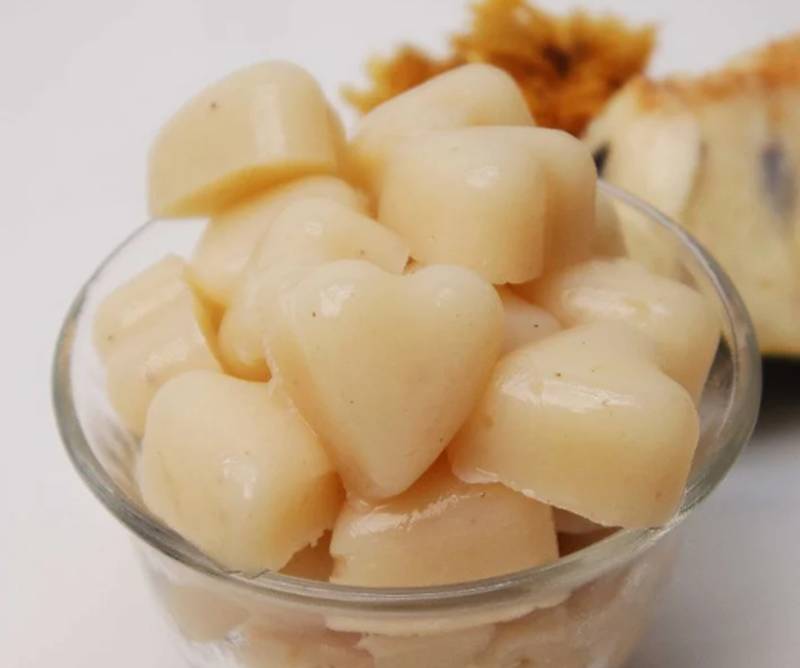
Store sea moss gel in an airtight glass container in the refrigerator. It typically lasts 2-3 weeks when properly stored. Freezing in ice cube trays can extend shelf life up to 6 months.
*These statements have not been evaluated by the Food and Drug Administration. Sea moss is a food and is not intended to diagnose, treat, cure, or prevent any disease. Talk to your healthcare provider before starting any new supplement, especially if you are pregnant or nursing, take medication, or have a thyroid or other medical condition.


.png?v=14052428765372906161786250558) Previous Post
Previous Post
%20copy.png?v=62173825240595680121786250558)